
Press and Media Kit
This page is for journalists, editors, producers and podcast hosts. Everything on it may be quoted. The facts carry the date they were read from the site, because the counts change as records are added.
Rare Cactus (rarecactus.com) is a free reference site for rare cacti and succulents, built in Orange County, California by Brian Kealer and his daughter June. It started with one Lithops on a windowsill. The plant became a shelf, the shelf became a greenhouse, and the greenhouse became a site where every species page is written from plants Brian raises from seed. Both are active members of the Cactus and Succulent Society of America. The project is aimed at bringing the next generation into botany, and at getting younger people interested in plants and the world around them.
In the news
- Father-daughter duo educate community on cacti. Elizabeth Carroll, Daily Pilot (Los Angeles Times), 22 October 2026.
The short version
One line: Rare Cactus is a free reference site for rare cacti and succulents, built by a father and daughter in Orange County, California, with an illustrated encyclopedia, an open database of 59,132 collector field numbers and charts of 2.3 million CITES trade records.
Three lines: Rare Cactus (rarecactus.com) is a free reference site for rare cacti and succulents. Brian Kealer raises the plants he writes about from seed, and his daughter June works the potting bench beside him. The site holds an illustrated encyclopedia of 32 genera checked against Kew’s Plants of the World Online, an open database of 59,132 collector field numbers from 280 collectors, and a reading of the 2,326,417 CITES trade records for cacti since 1976. Both are active members of the Cactus and Succulent Society of America.
Facts you can use
Read from the live pages on 10 October 2026. Each link goes to the page the number comes from.
- Encyclopedia: 32 genera of cacti and succulents and 148 species, every name checked against Kew’s Plants of the World Online. The plants on the pages are grown from seed.
- Cactus Field Number Database: 59,132 collector field numbers from 280 collectors across 20 genera, 10,273 of them with GPS coordinates. A field number is the code a collector gives a plant in habitat; the database traces each one to the species and the locality. Public domain (CC0), with a DOI on Zenodo and a data paper.
- Cactus Trade Data: 2,326,417 CITES trade records for cacti, 1976 to 2023, turned into charts and an explorer. Wild-collected plants were 0.0044% of the live cacti exporters reported from 1991 to 2023, about 1 in 22,940. The Netherlands, China and the Dominican Republic shipped 72.2% of the 185,326,747 live cacti in exporter-reported trade from 2014 to 2023. Importers and exporters disagree: 327,422,812 live plants against 577,418,821 for 1976 to 2023. A tracker lists 72 documented seizures of cacti and succulents in 18 countries, 2007 to 2026. Source: CITES Trade Database version 2026.1, UNEP-WCMC. The aggregates are CC BY 4.0.
- Is it a cactus?: a free identifier that takes about 30 seconds. It checks for areoles, the one feature only cacti have, and for milky sap, which marks a euphorbia.
- Rarity Index: 42 species across 10 genera, scored for how rare they are in habitat and how hard they are to find in cultivation.
Who
Brian Kealer is a cactus and succulent hobbyist of many years, focusing on plants endemic to the areas between Big Bend, Texas and as far south as San Luis Potosí, Mexico. He raises the plants he writes about from seed. He is a long-standing member of the Cactus and Succulent Society of America. He writes and edits the site, compiles the data, and answers every email himself.
June is his daughter. In his words: “She has a better eye for a good flower than most people I know, and she turns up the moment something starts throwing a flower or a pup. Potting days are her favorite. She picks the pots, she picks the position, she tells me if a plant looks lonely, and she likes to tuck a rock in beside it so it has something to lean on when times get tough.” To keep her privacy, the site gives her first name only, no age and no photo, and asks the same of anyone writing about the project.
Images
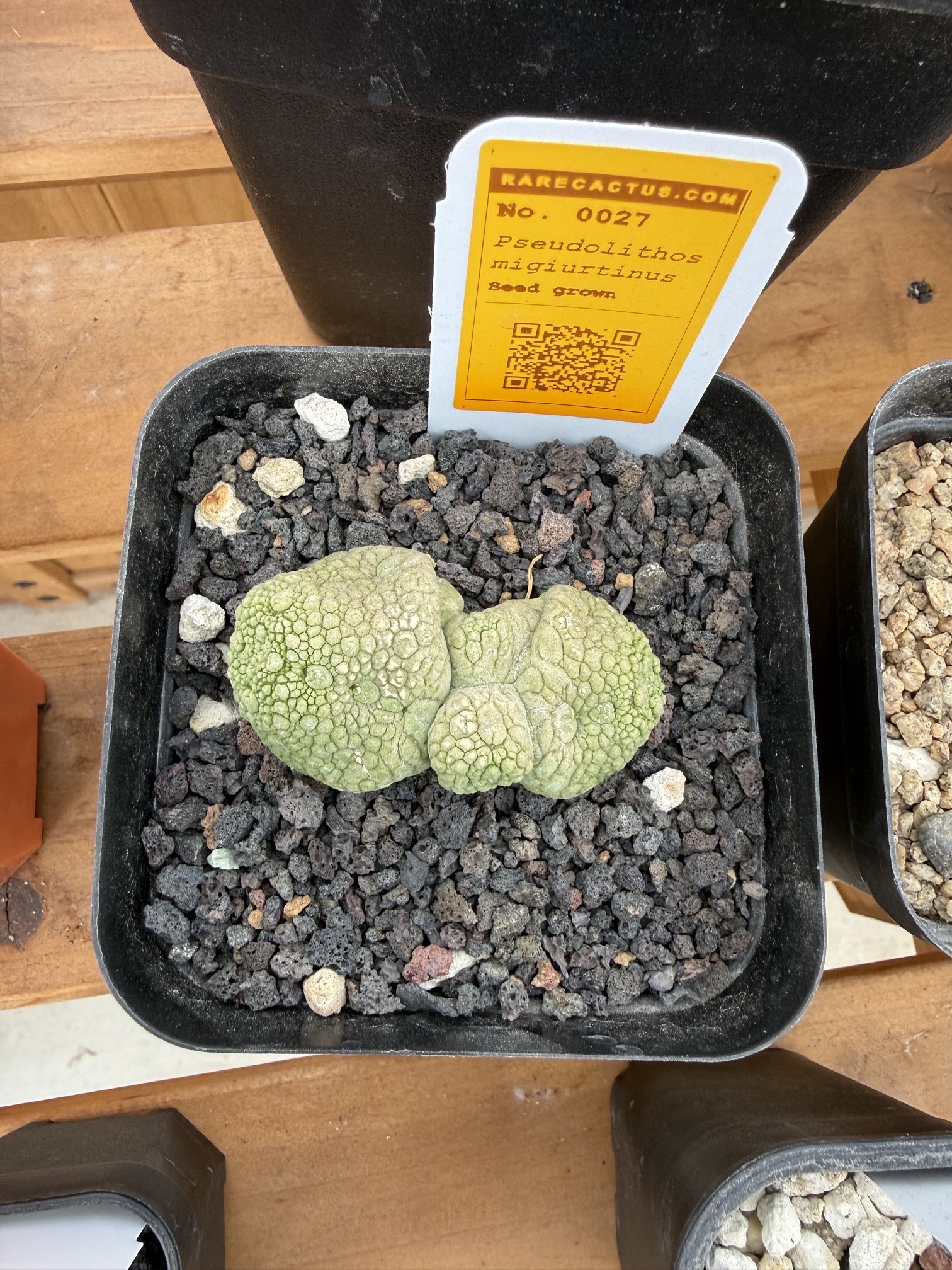
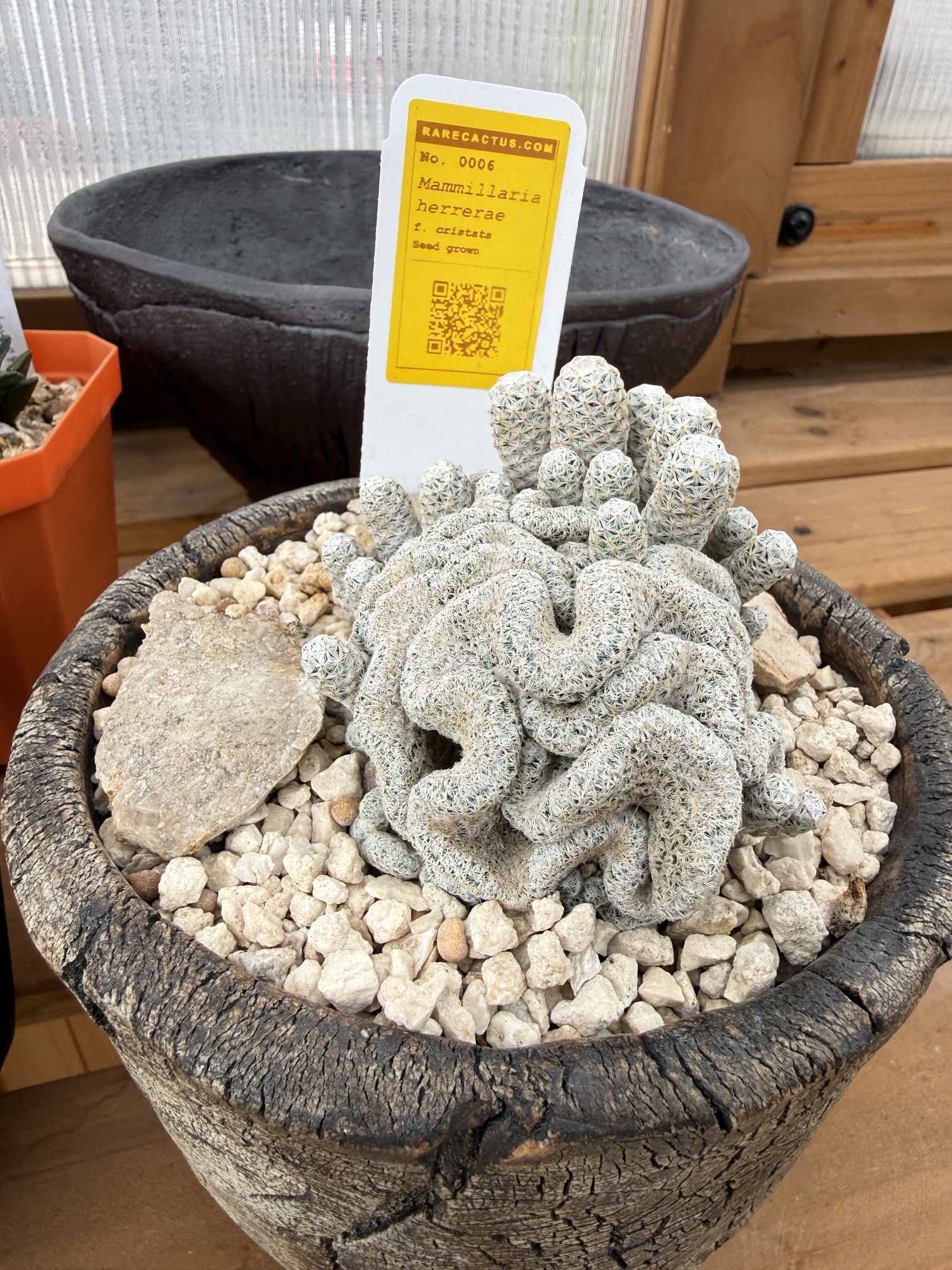
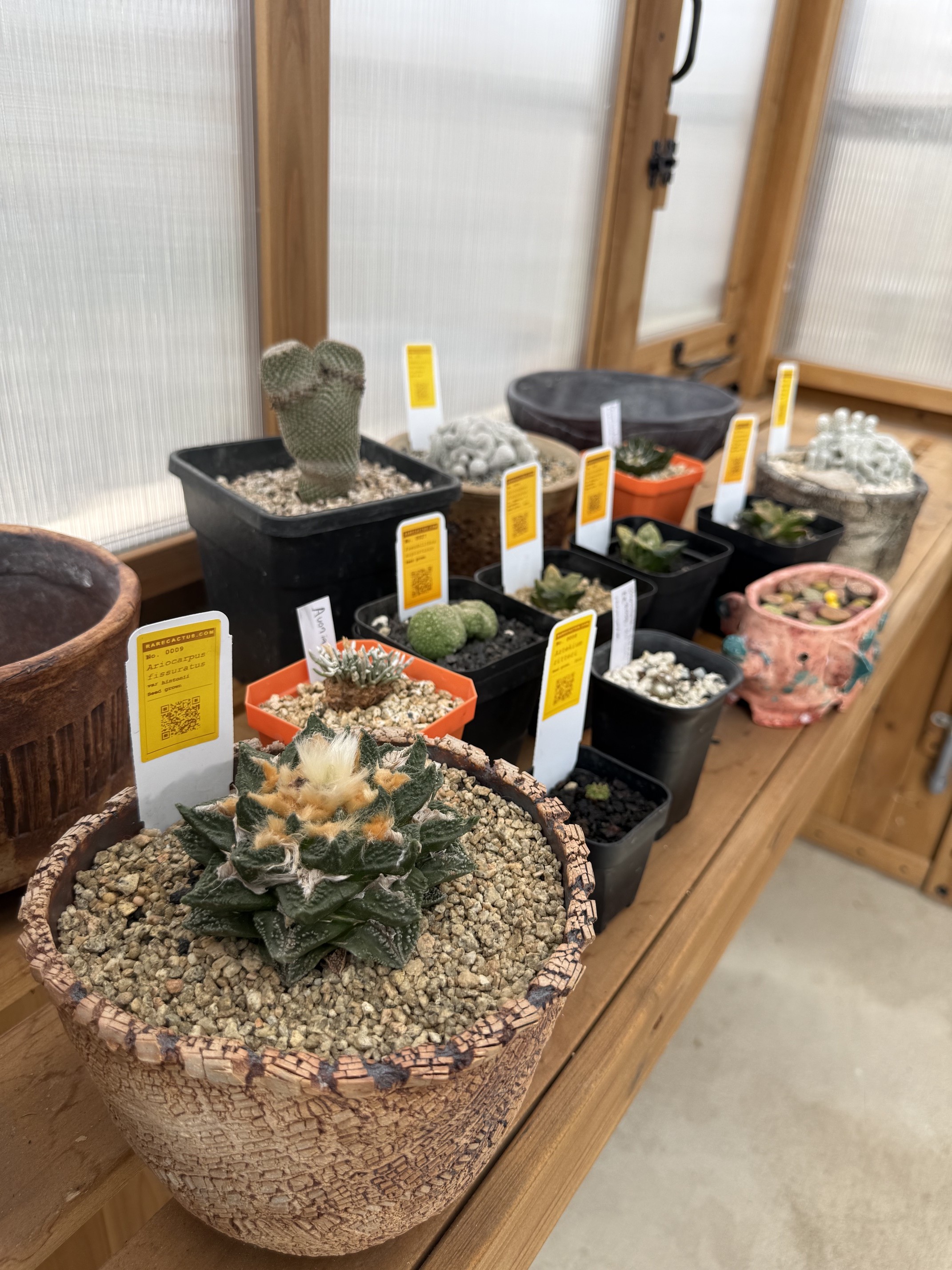
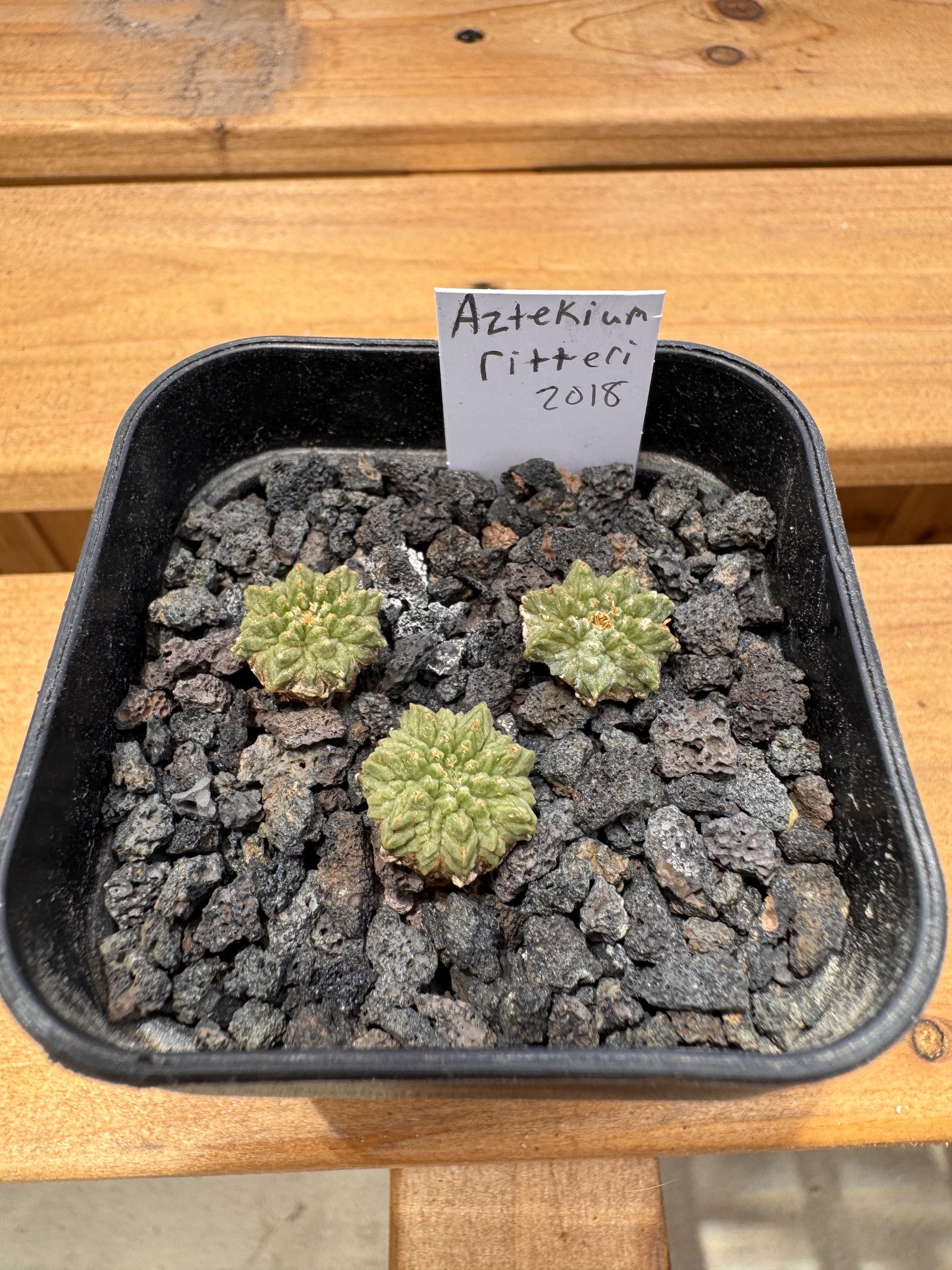
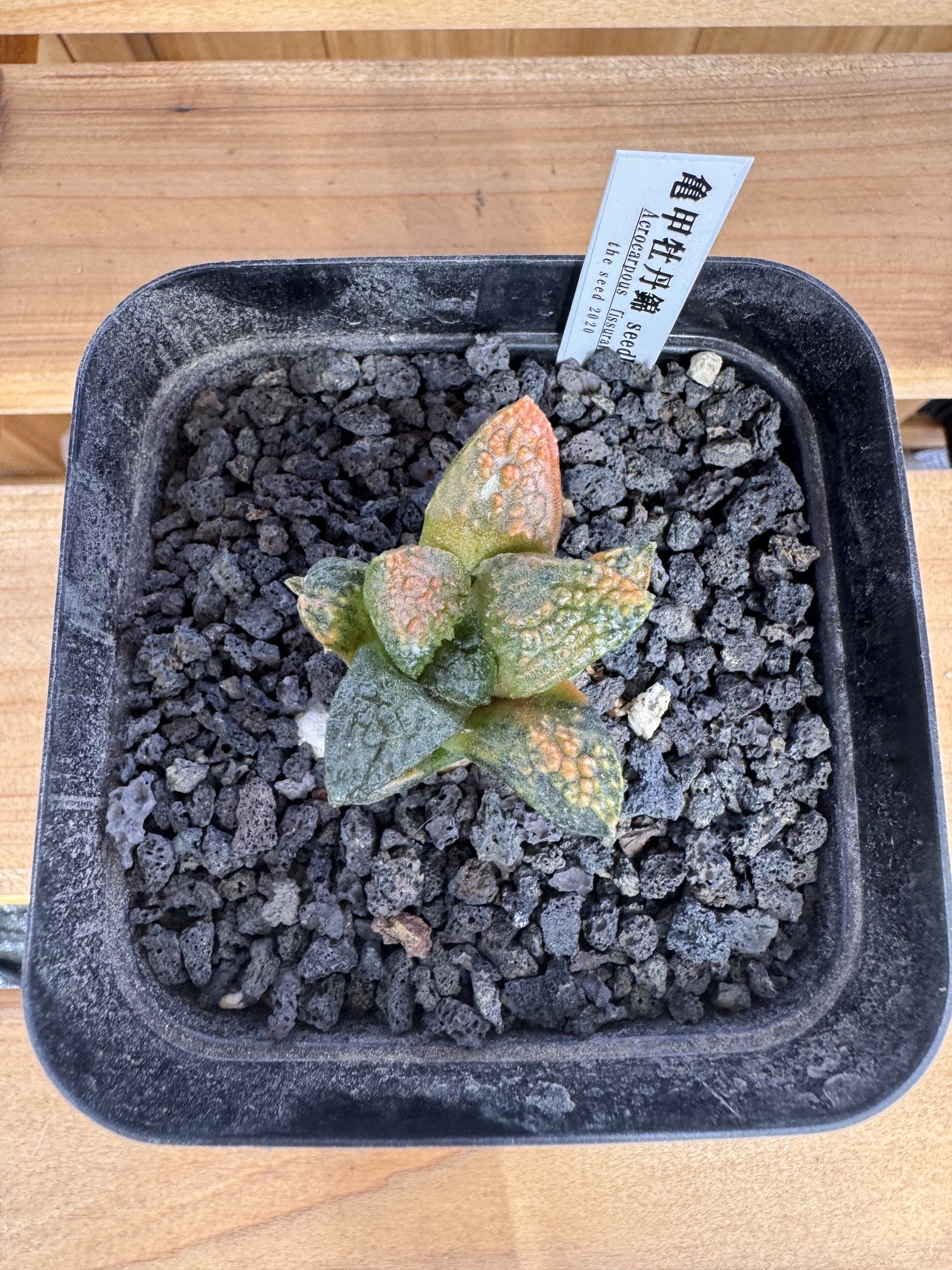
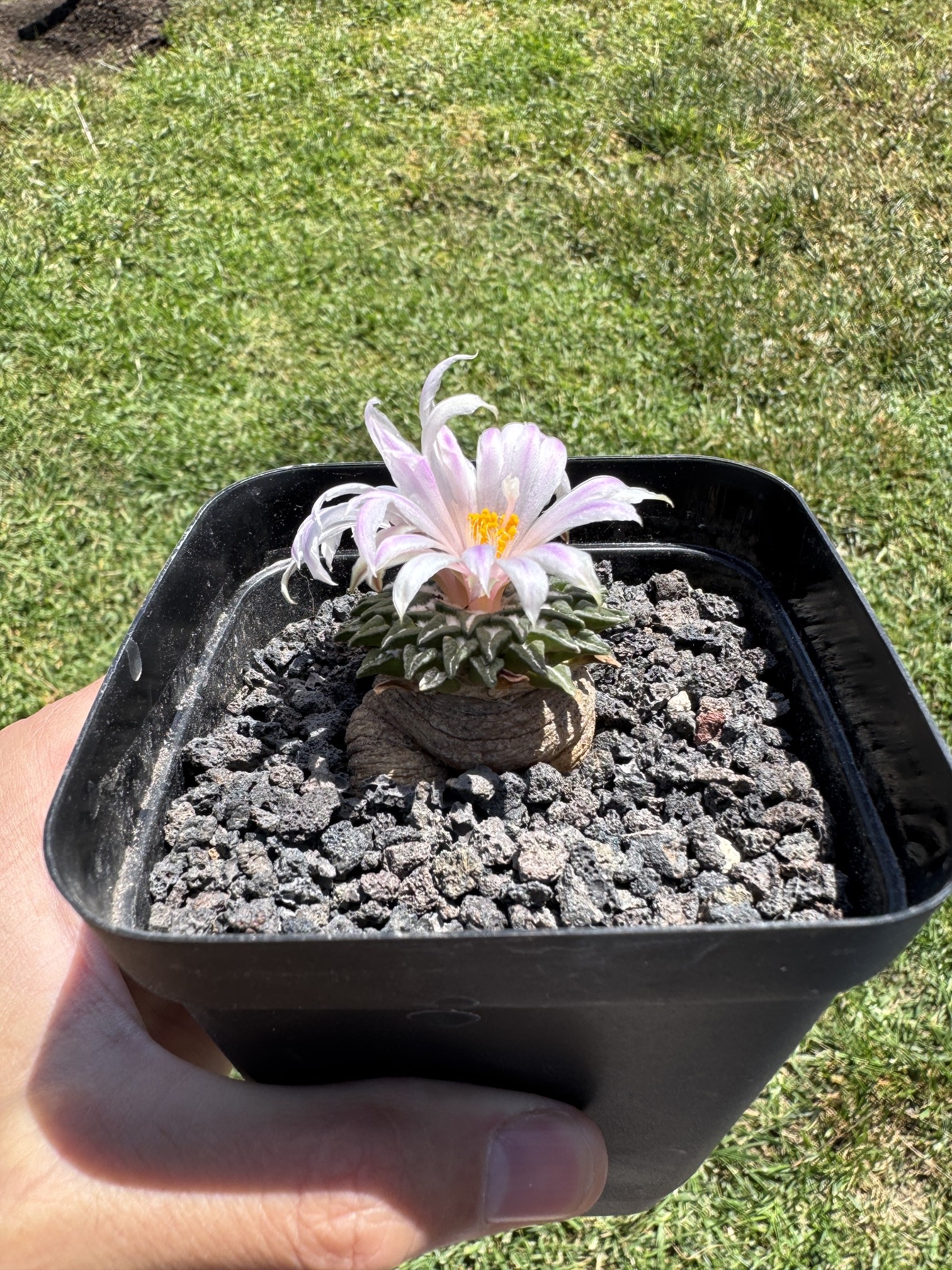
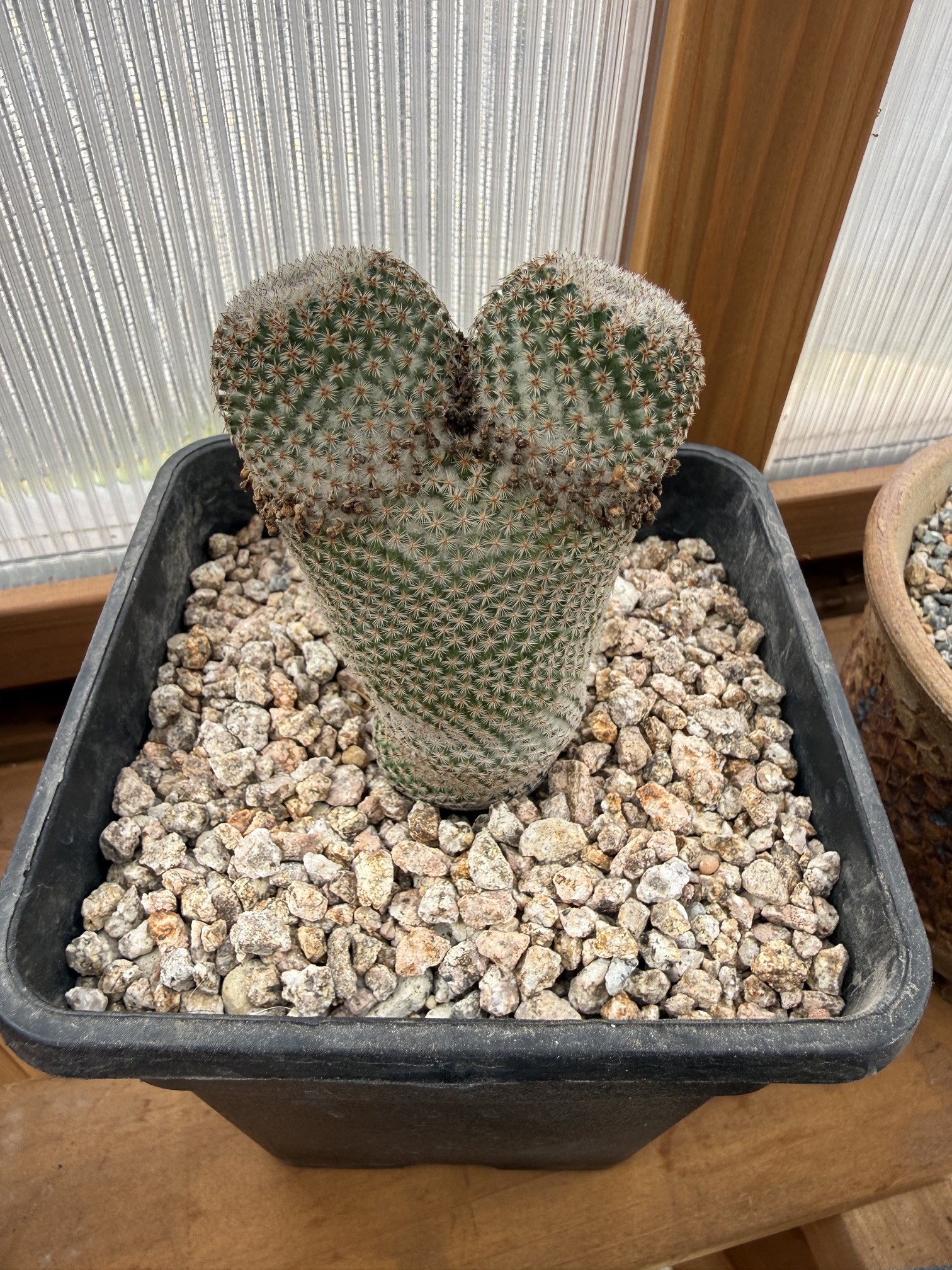
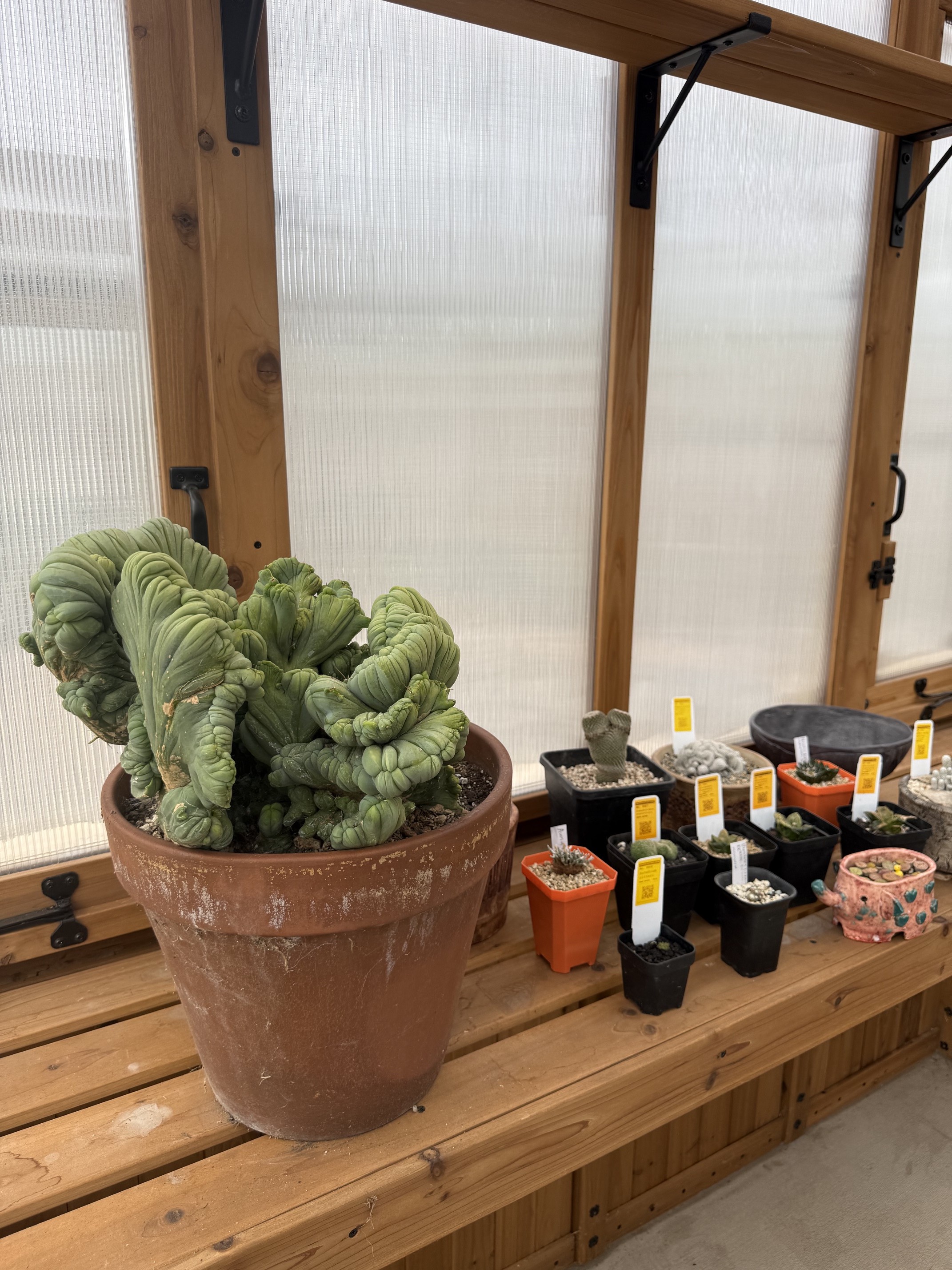
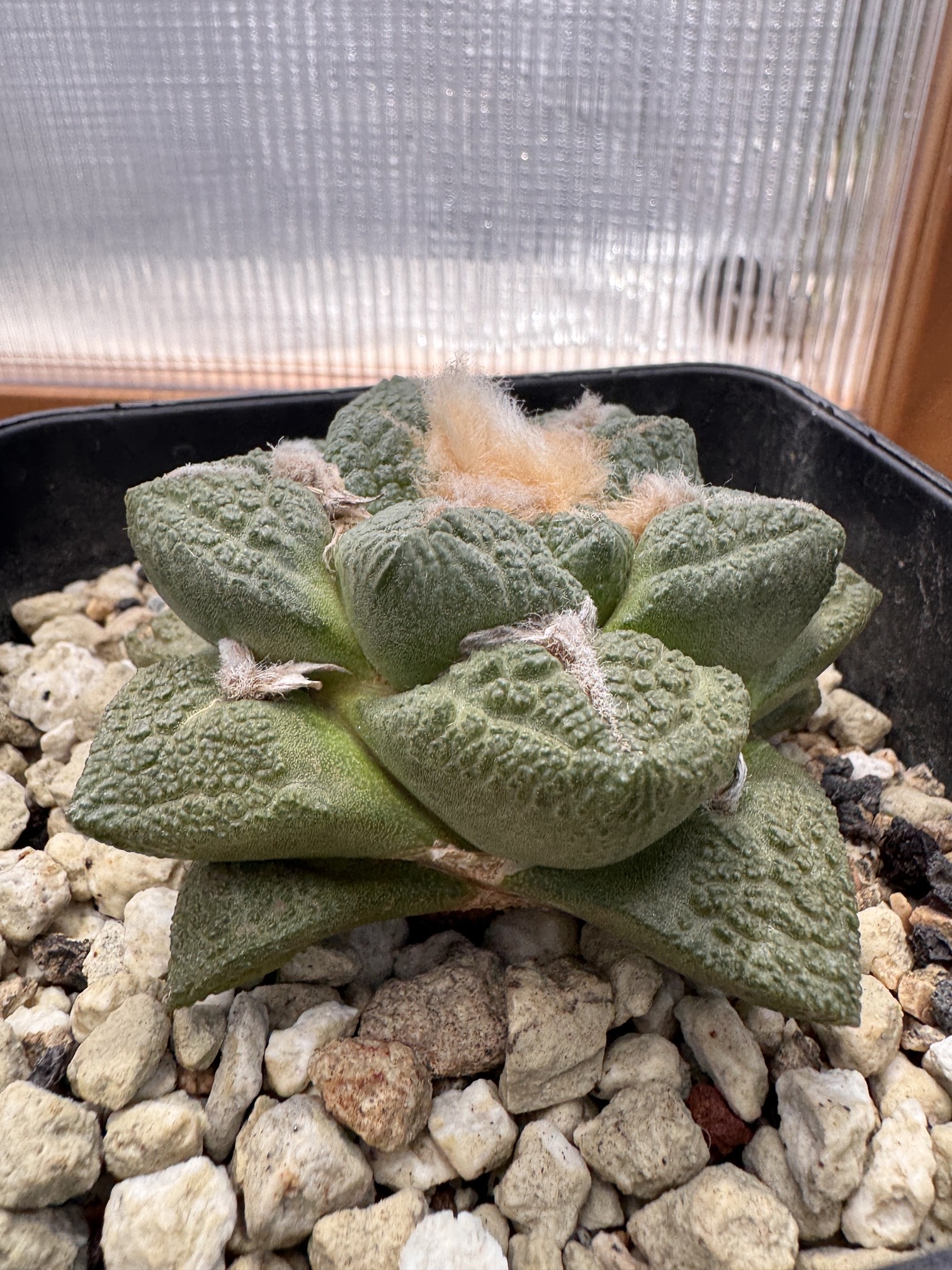
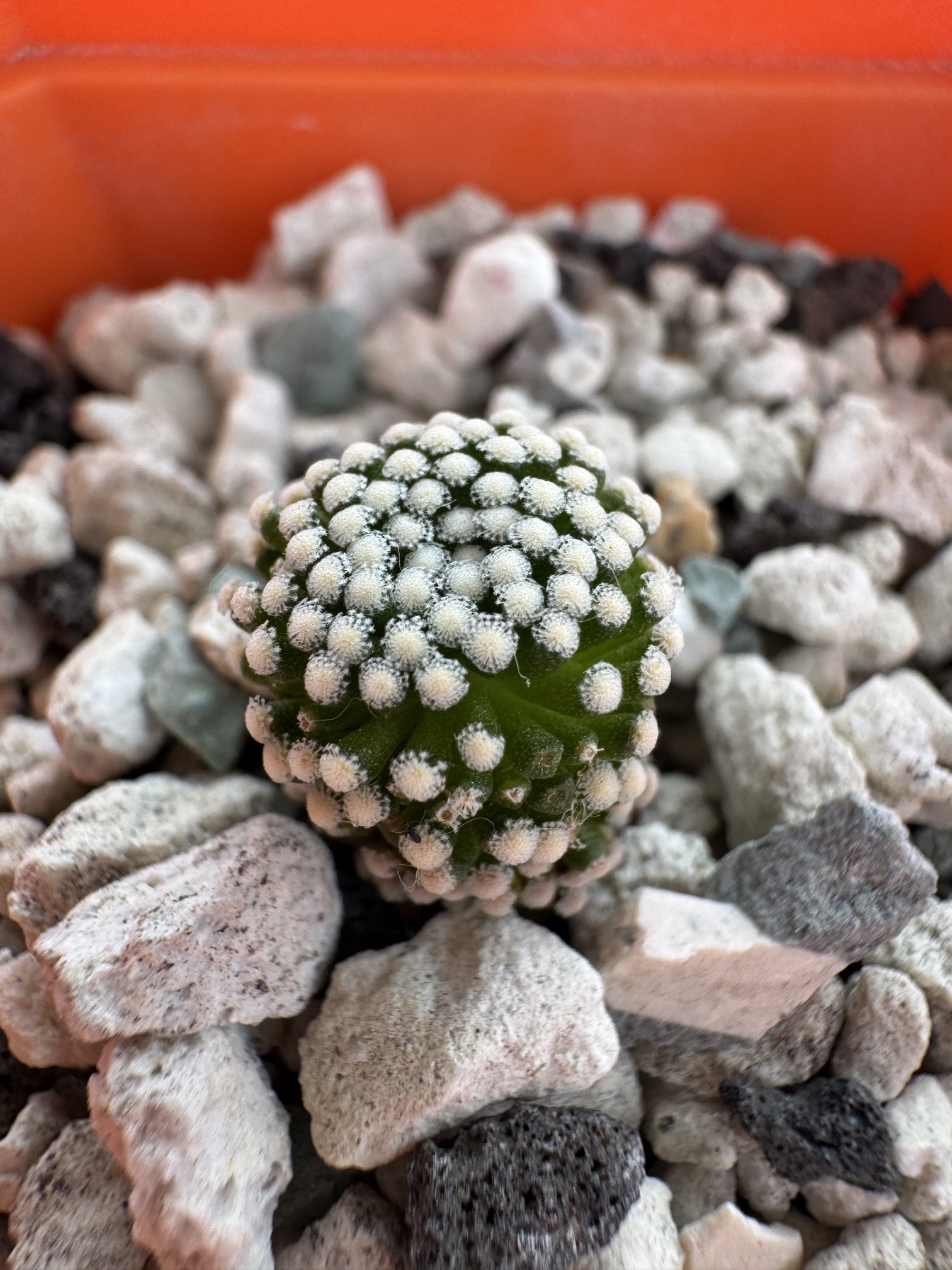
These files may be used in coverage of rarecactus.com. Credit: Brian Kealer / rarecactus.com. They load from other sites and can be saved directly. No photo of June is available. The greenhouse photographs below open at full size, and more can be supplied on request.




Greenhouse photographs
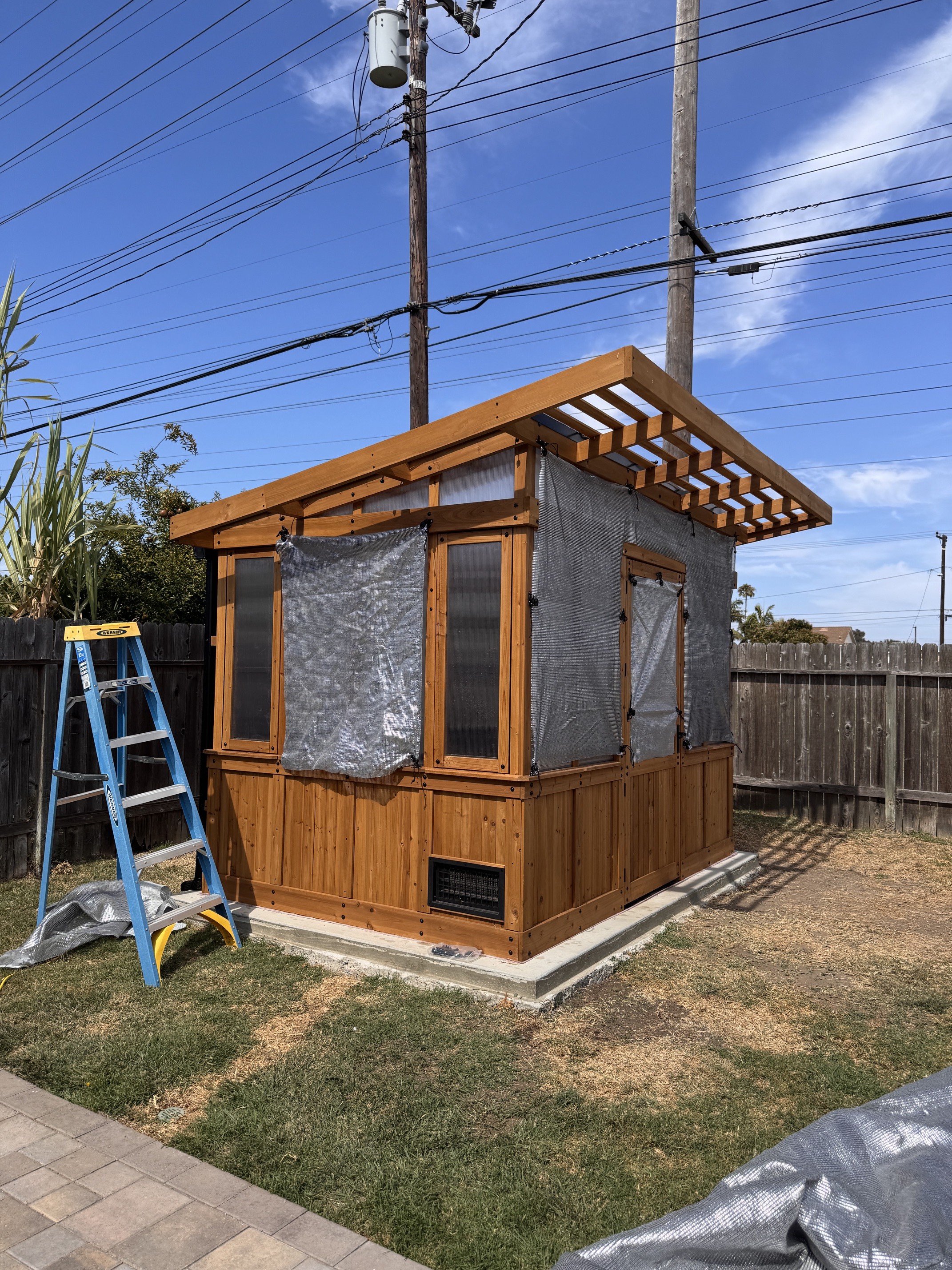
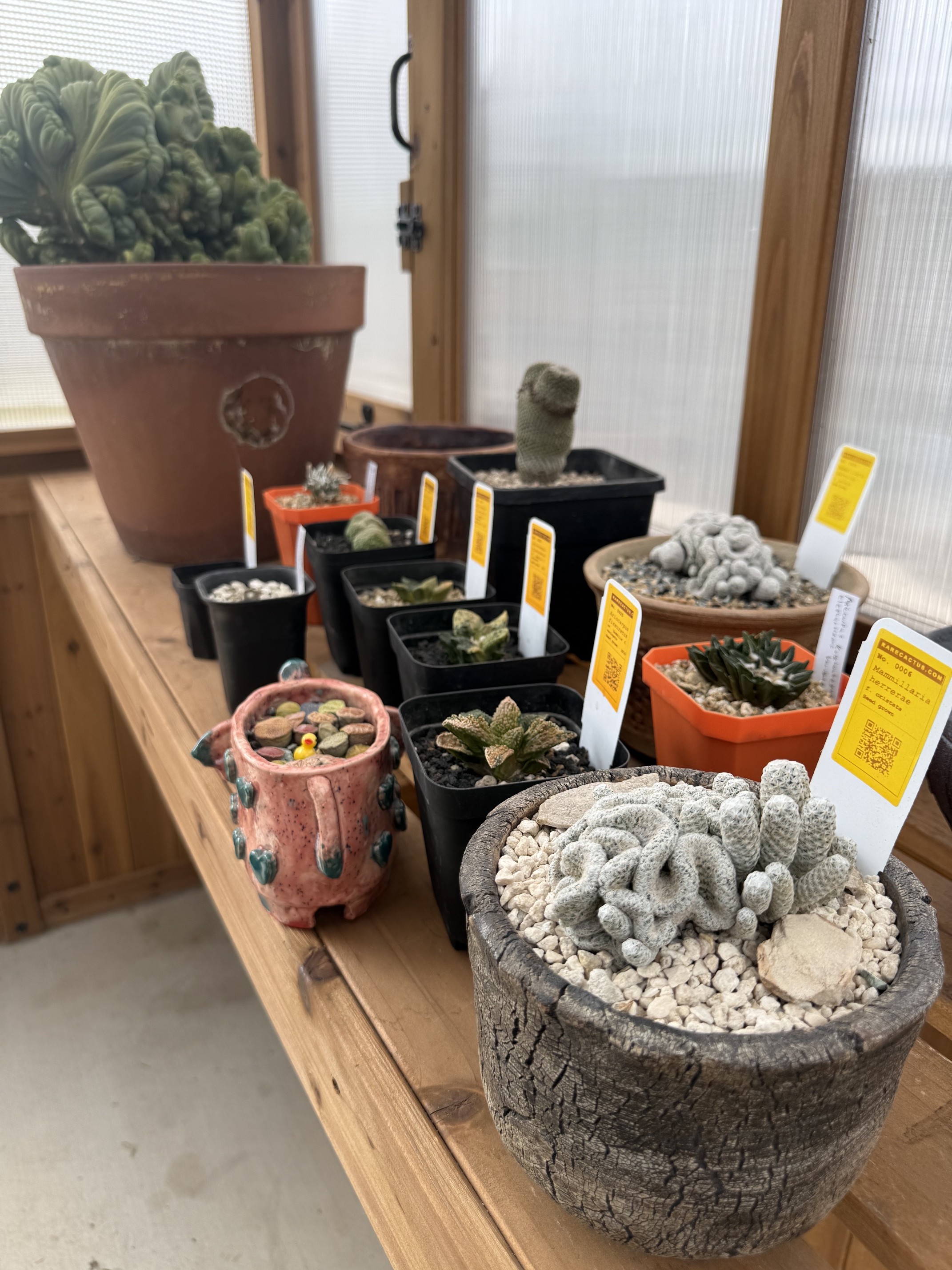
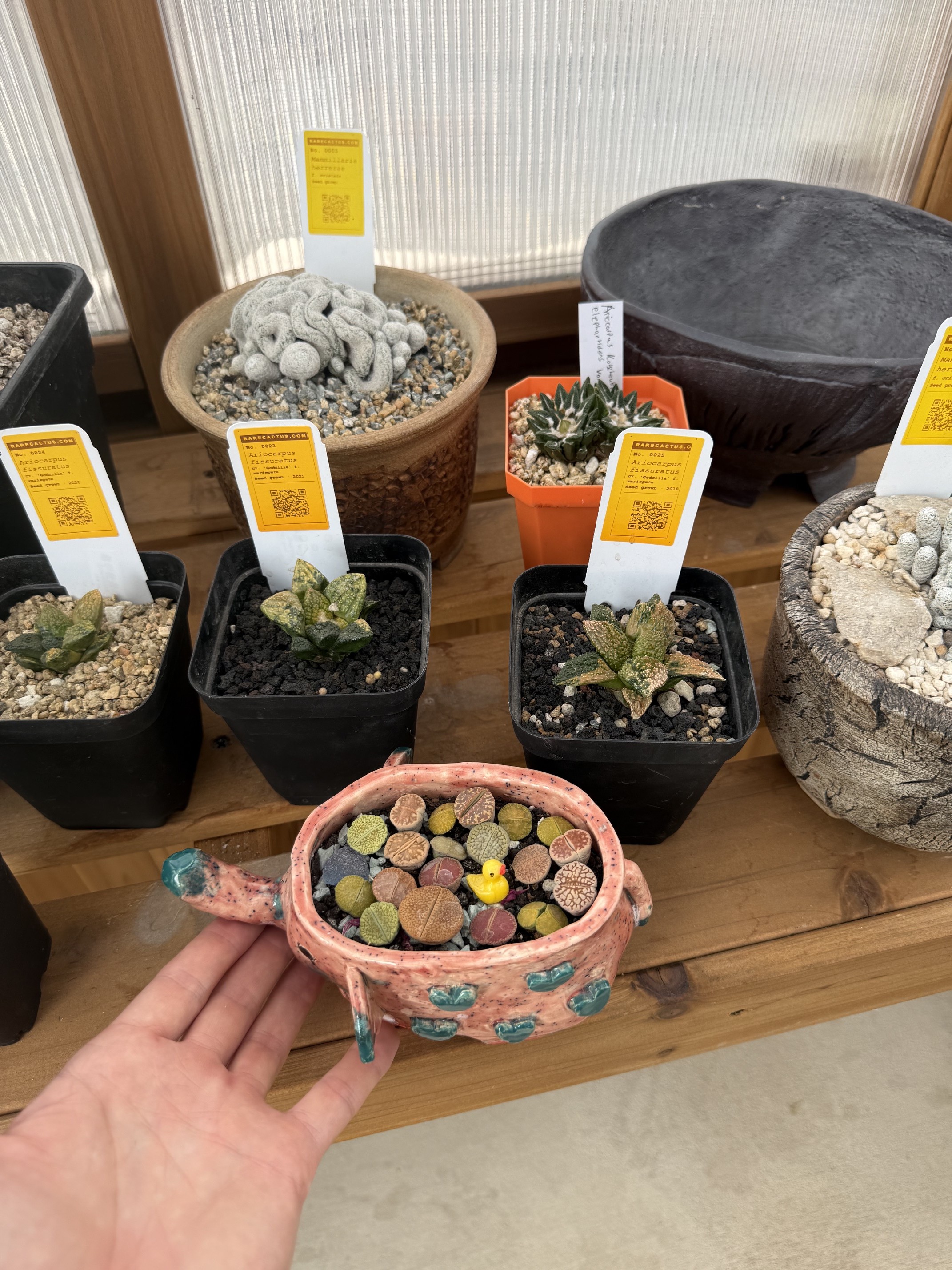
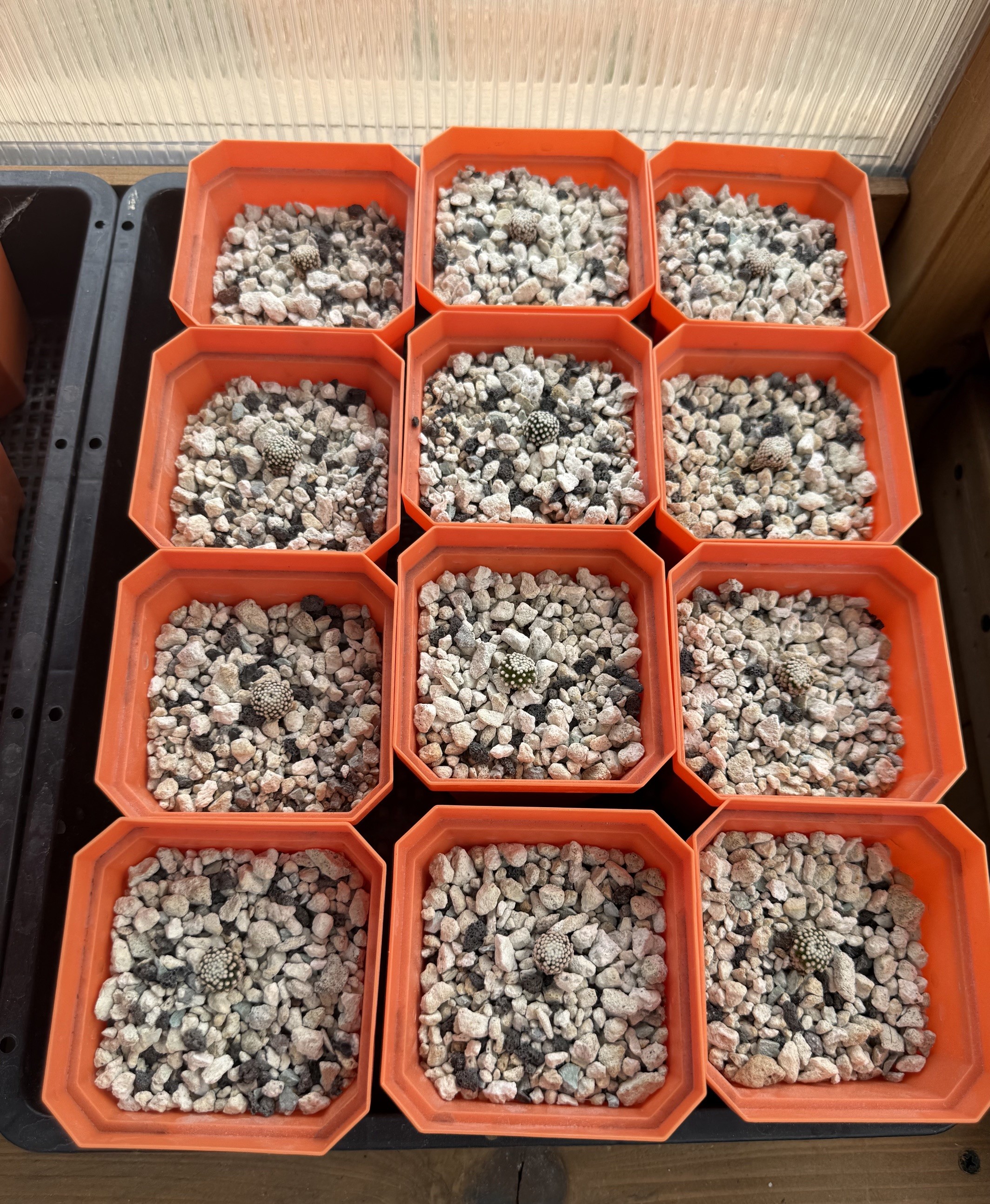
Citing the data
- Kealer, B. (2026). Cactus Field Number Database [Data set]. Zenodo. https://doi.org/10.5281/zenodo.20792878 (CC0)
- Kealer, B. (2026). Cactus Trade Data: CITES records for cacti since 1976 [Data set]. Zenodo. https://doi.org/10.5281/zenodo.22983784 (aggregates CC BY 4.0; the underlying records are the CITES Trade Database, UNEP-WCMC)
Contact
Brian Kealer, brian@rarecactus.com. Orange County, California. Available for interviews by email or phone. Replies will usually be answered within 48 hours.
Page last updated 22 October 2026.