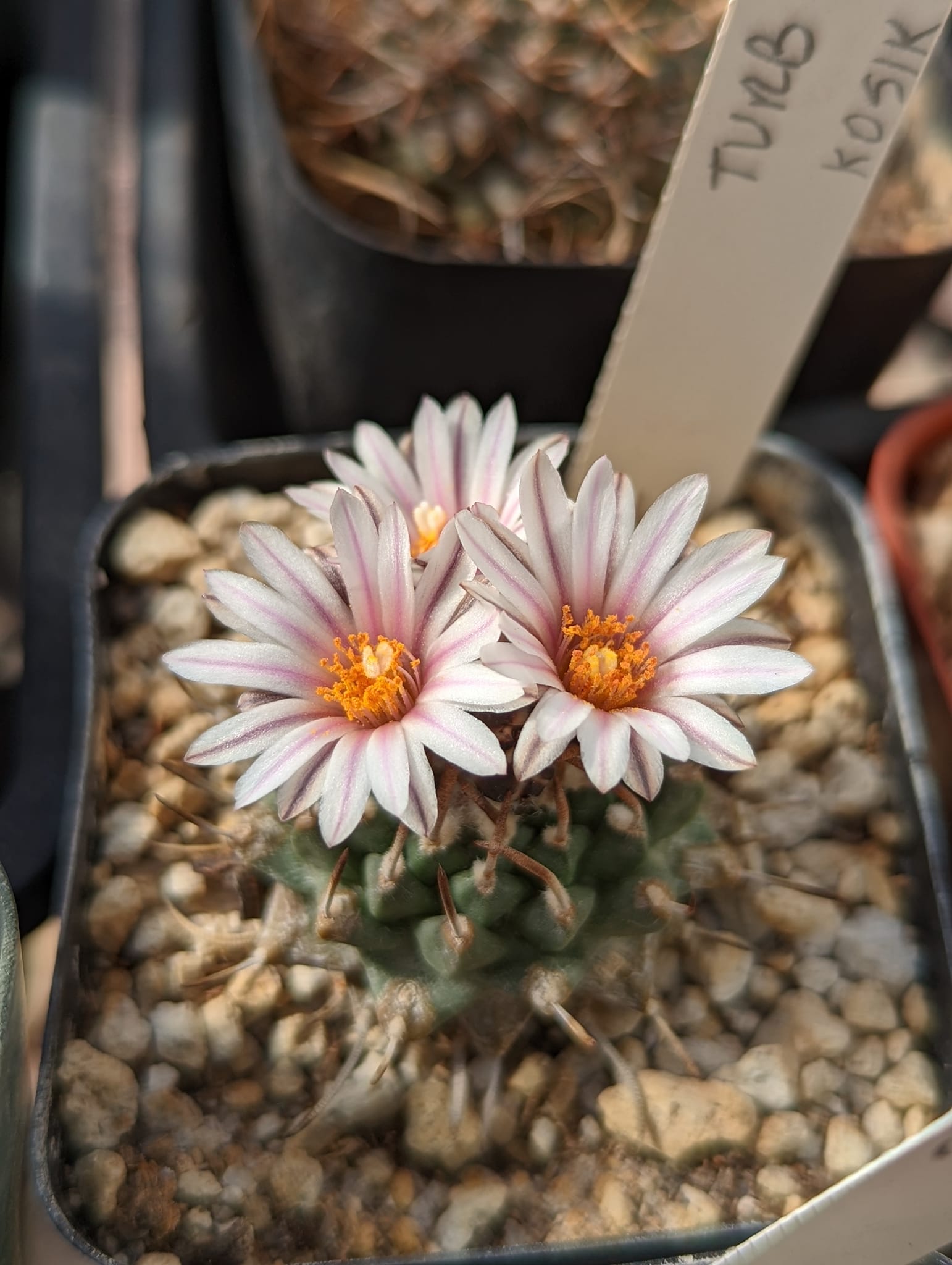
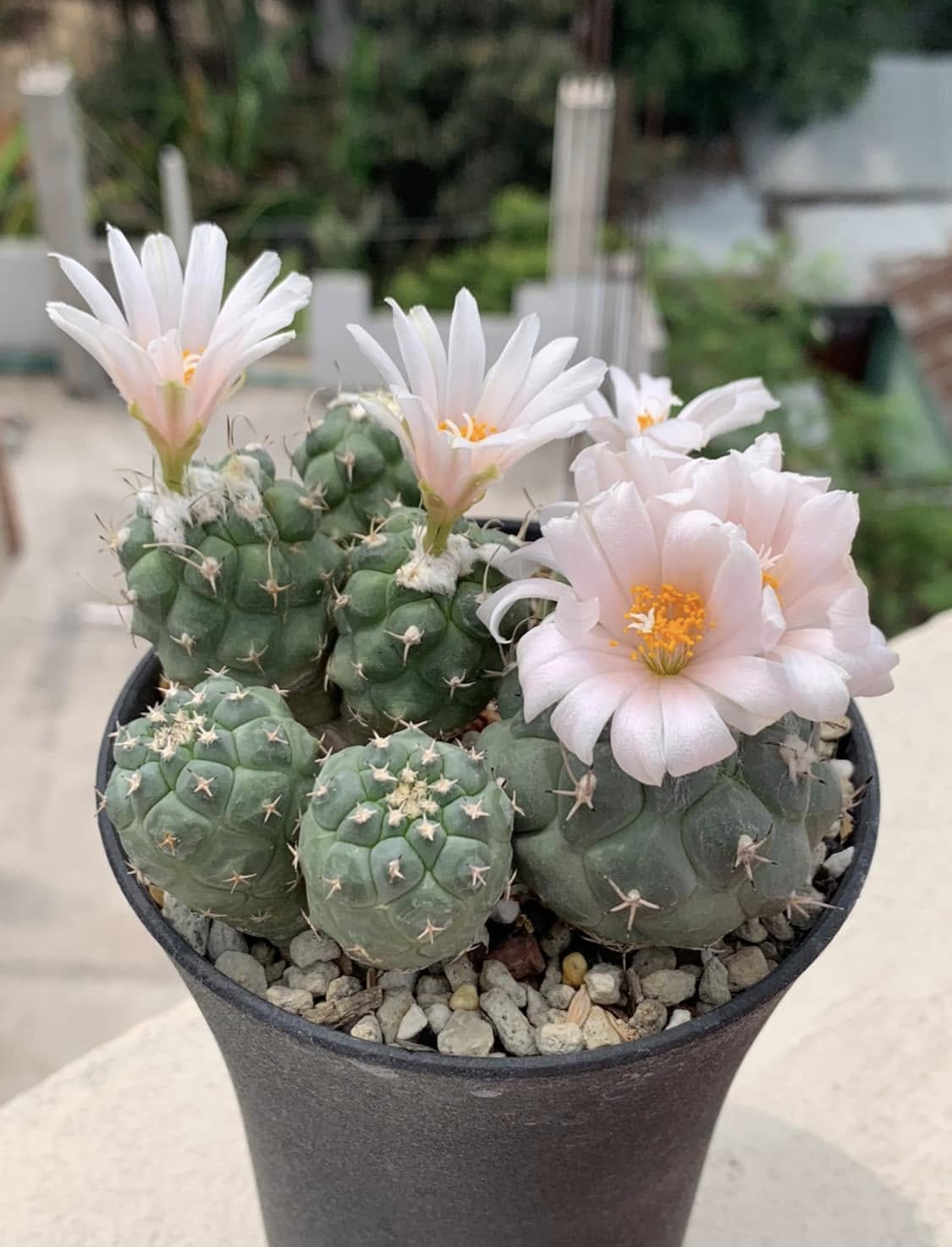
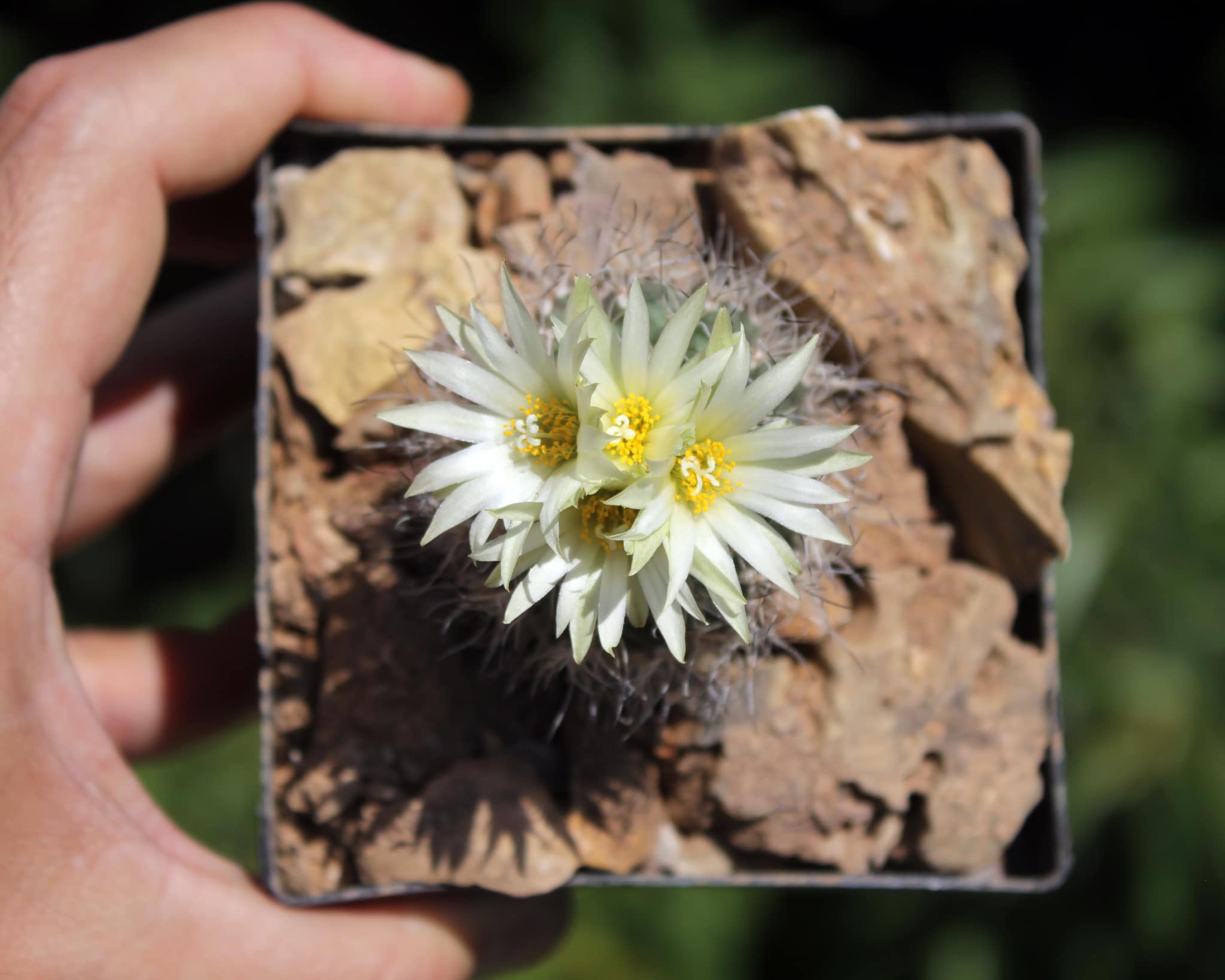
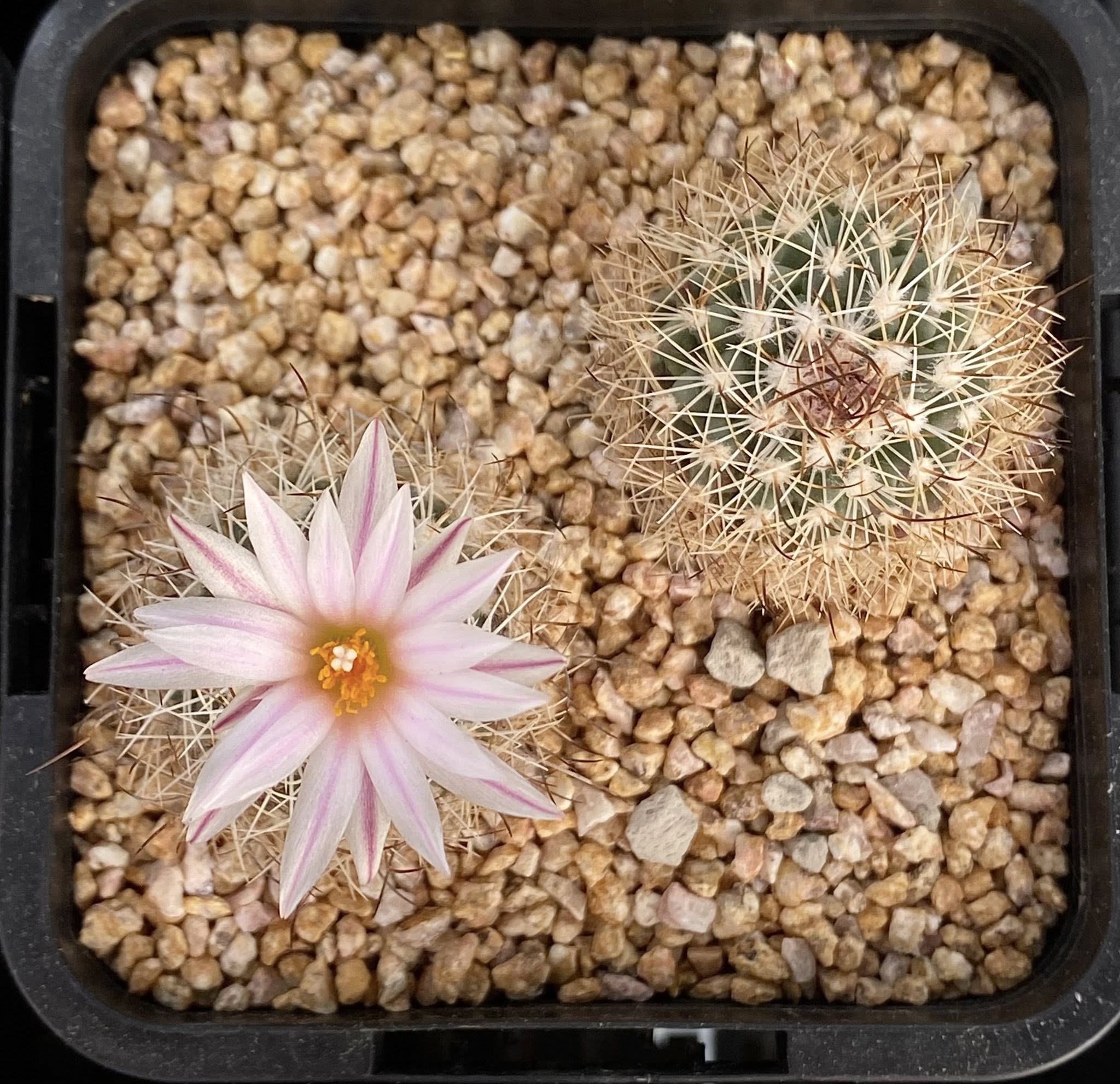
Rarest Cactus Index: 42 Species Across 10 Genera, Ranked
Species ranked within each genus from rarest to most available. Scores run 0 to 10, ten being the rarest. Rankings are based on wild habitat rarity score. Population estimates sourced from IUCN Red List assessments and published botanical research. Prices reflect mature specimen cost in specialist trade as of 2026. At rarecactus.com every documented wild collection behind these rankings can be traced in our field number database.
10
Genera covered
42
Species ranked
30
IUCN threatened
4
Price tiers
Wild habitat rarity (0–10)
Cultivation rarity (0–10)
$ under $50
$$ $50–$200
$$$ $200–$600
$$$$ $1000+
Top 10 Rarest Overall
The ten rarest species across all featured genera are ranked here by combined wild-habitat rarity and IUCN status, and each links to its full rarecactus.com encyclopedia entry.
#1
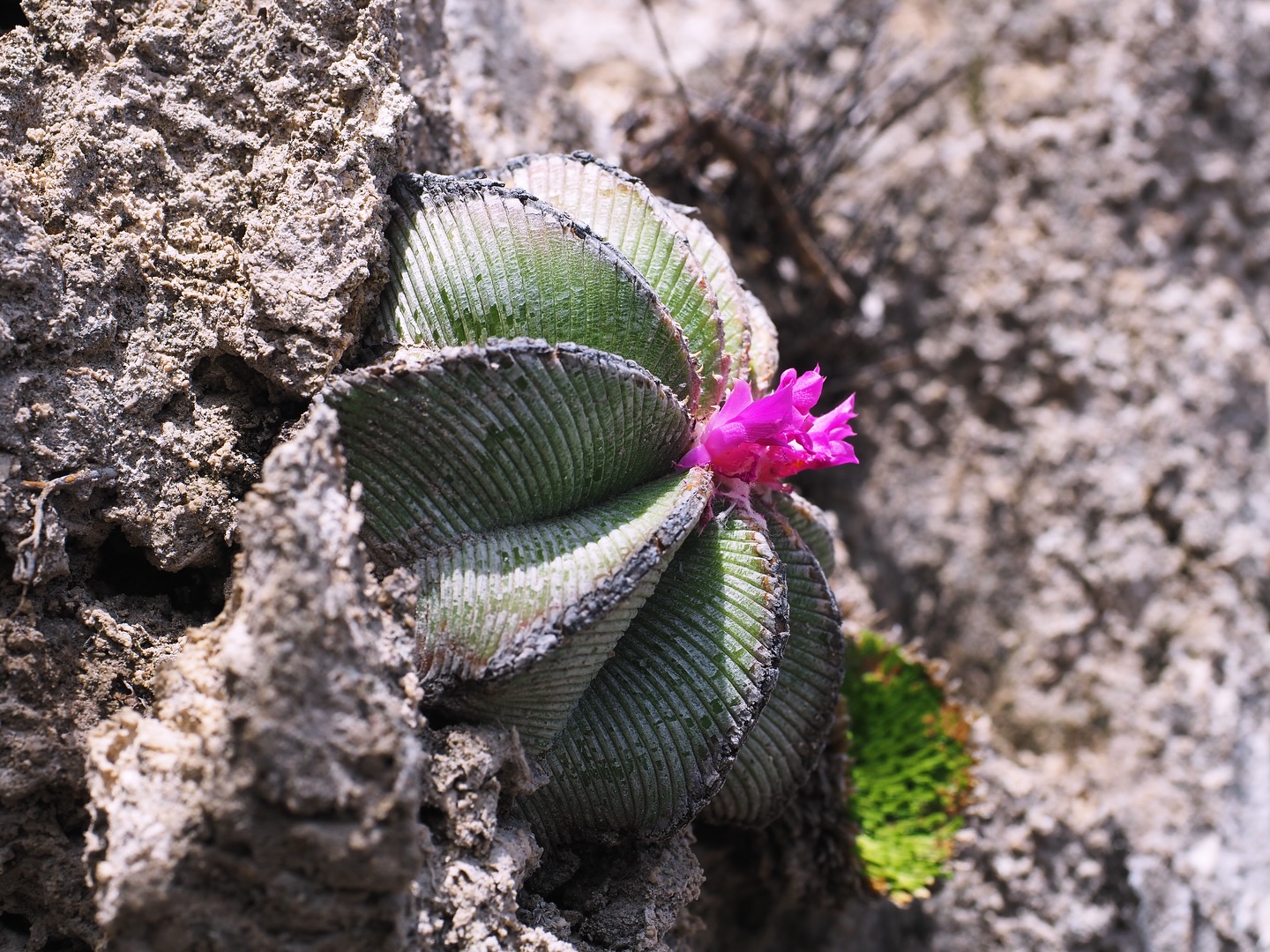
Aztekium ritteri
Critically Endangered
#2
Copiapoa laui
Critically Endangered
#3
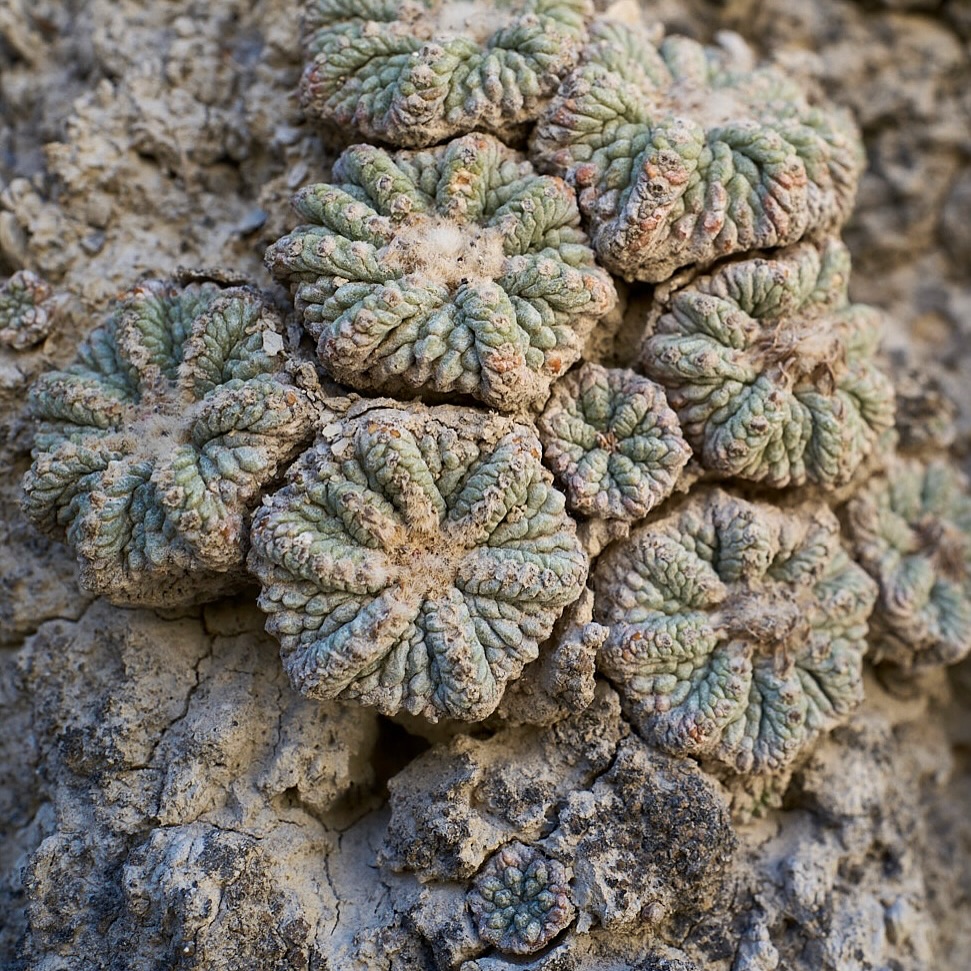
Ariocarpus scaphirostris
Critically Endangered
#4
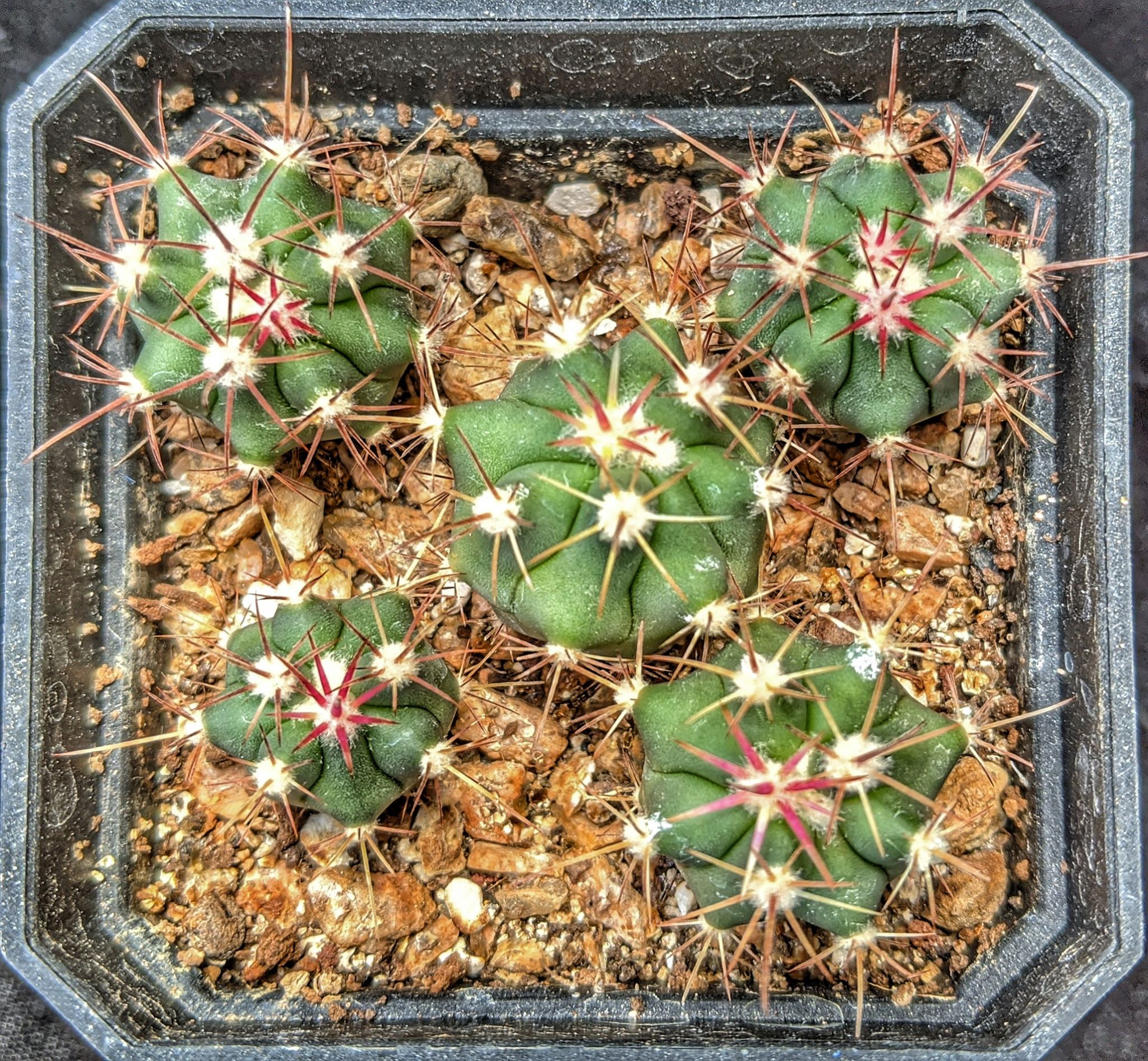
Turbinicarpus alonsoi
Critically Endangered
#5
Mammillaria napina
Critically Endangered
#6
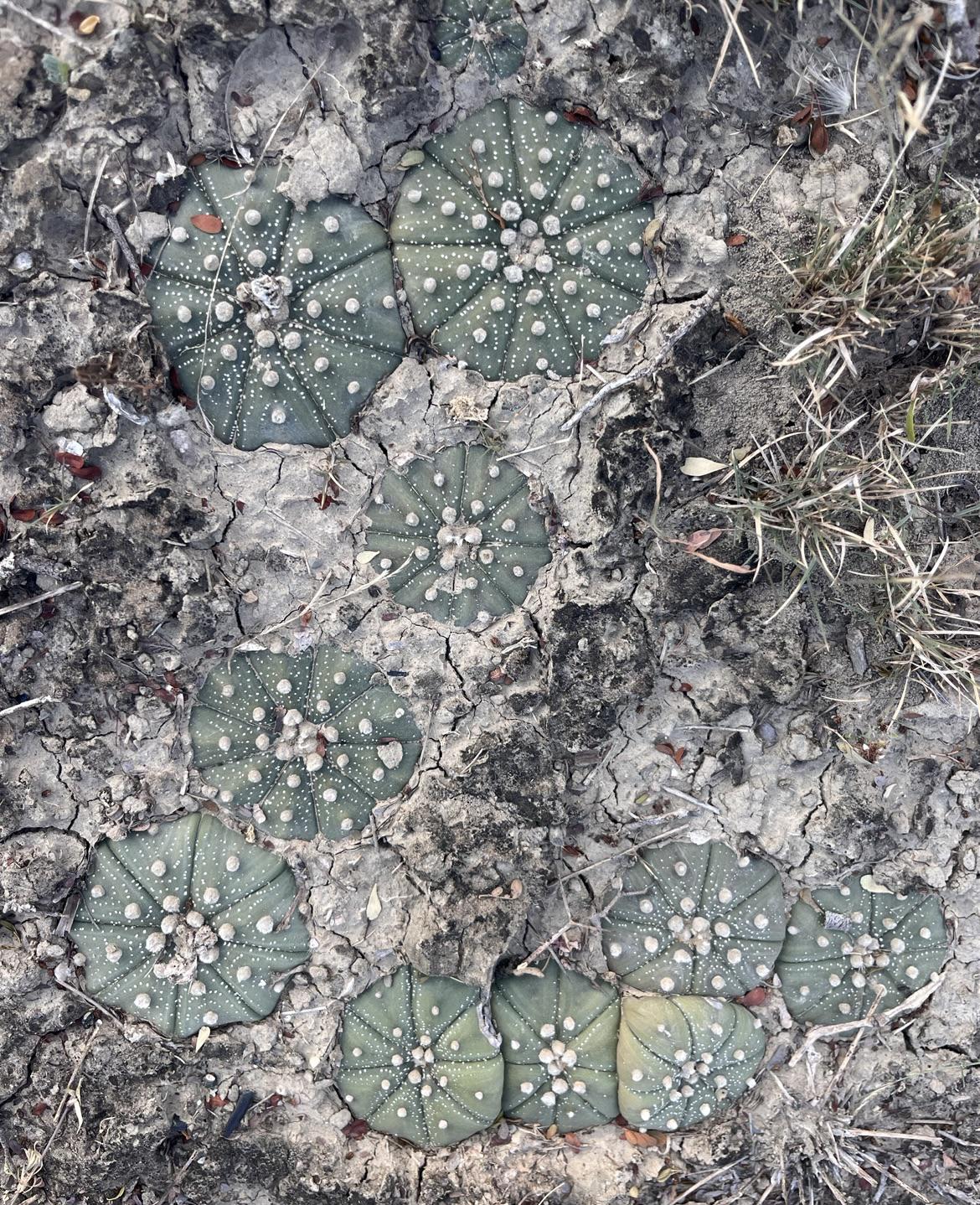
Astrophytum asterias
Vulnerable
#7
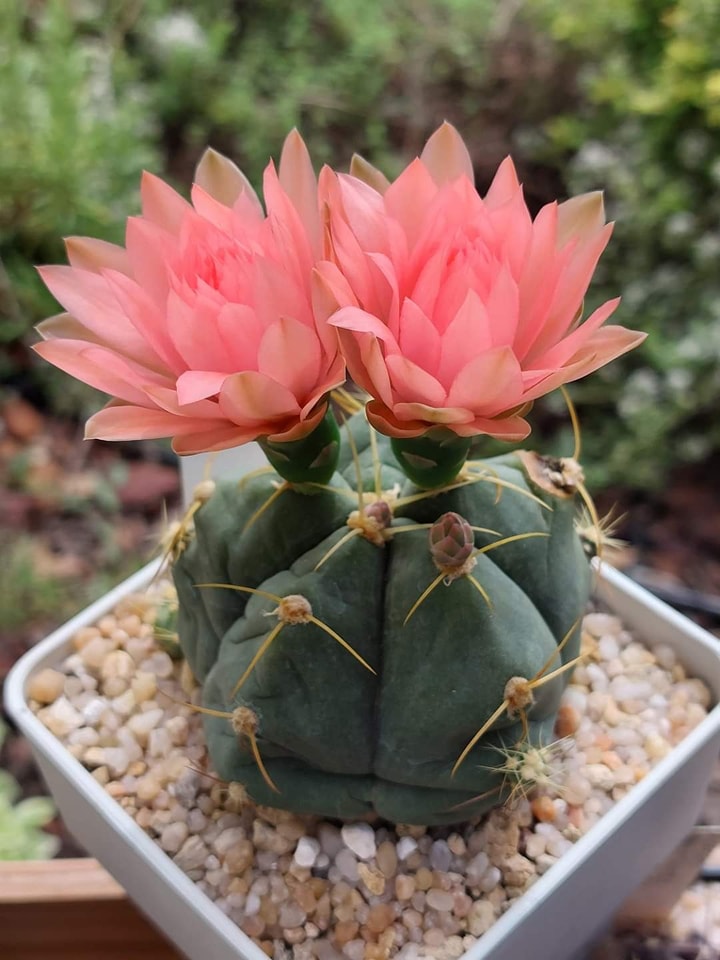
Gymnocalycium horstii subsp. buenekeri
Vulnerable
#8
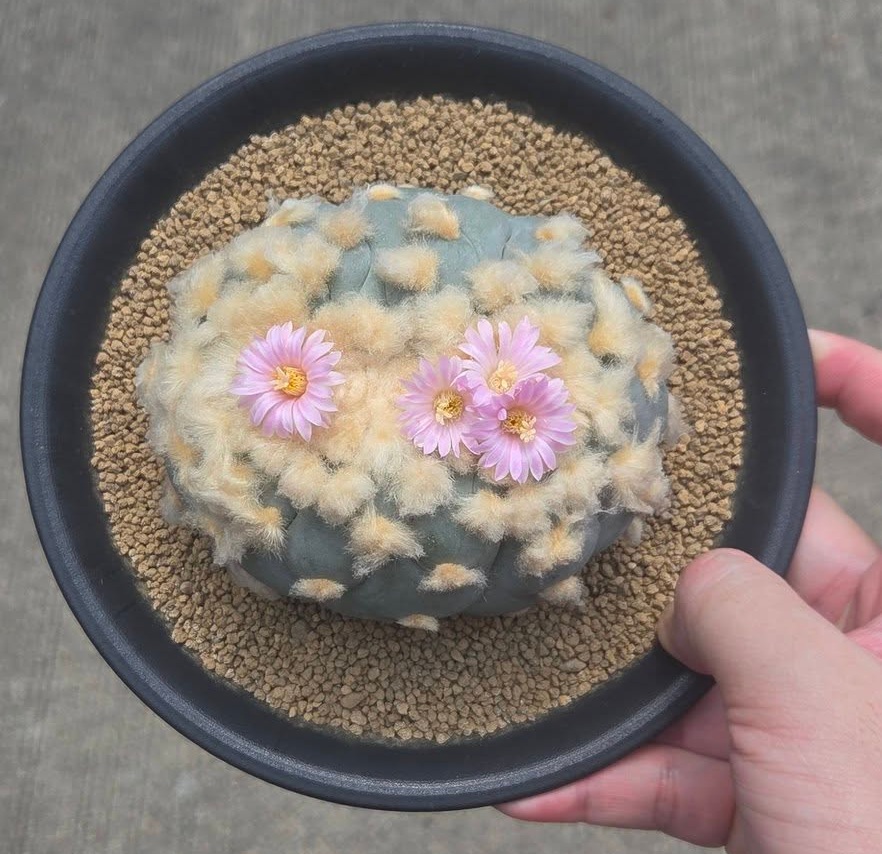
Lophophora williamsii
Vulnerable
#9
Echinopsis ancistrophora
Vulnerable
#10
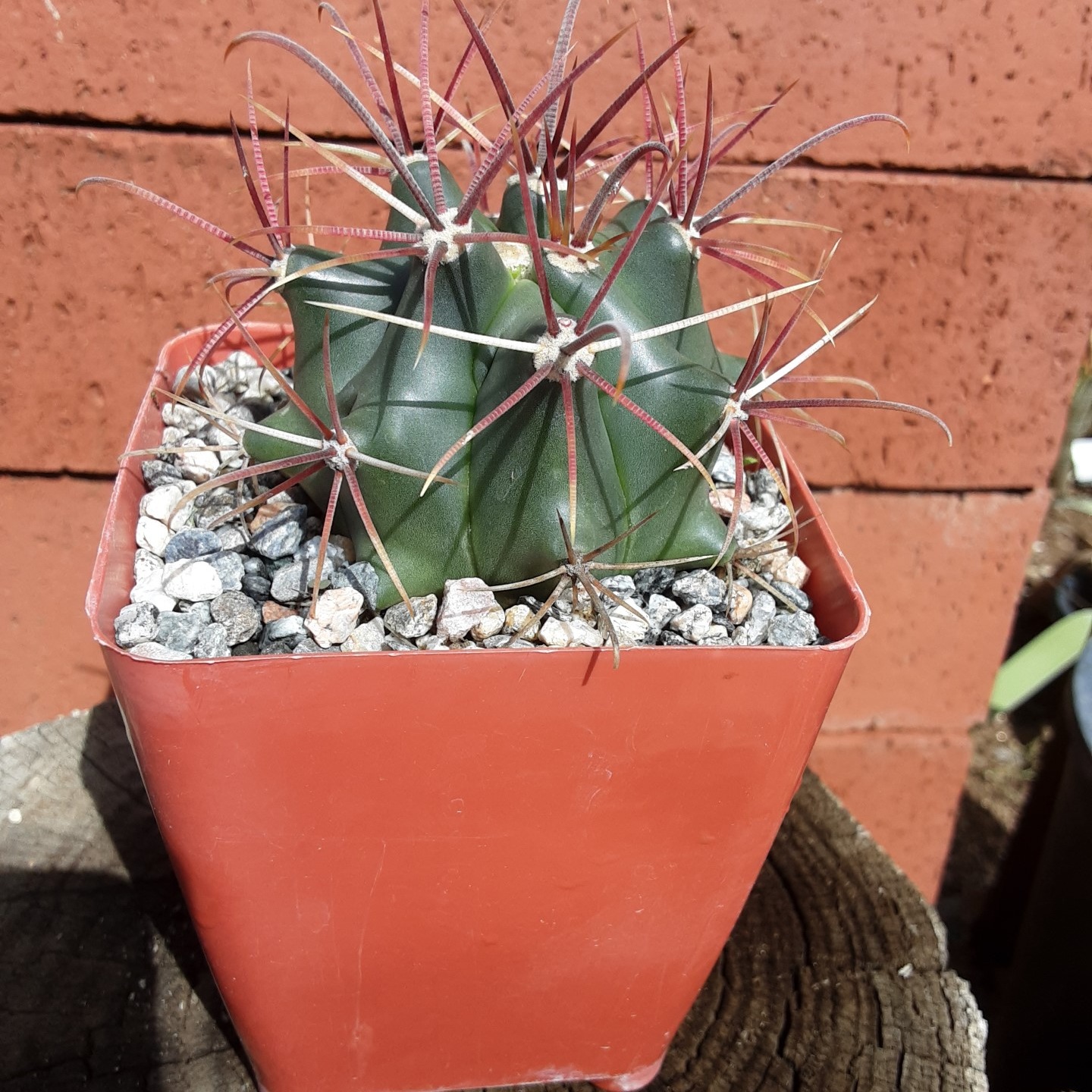
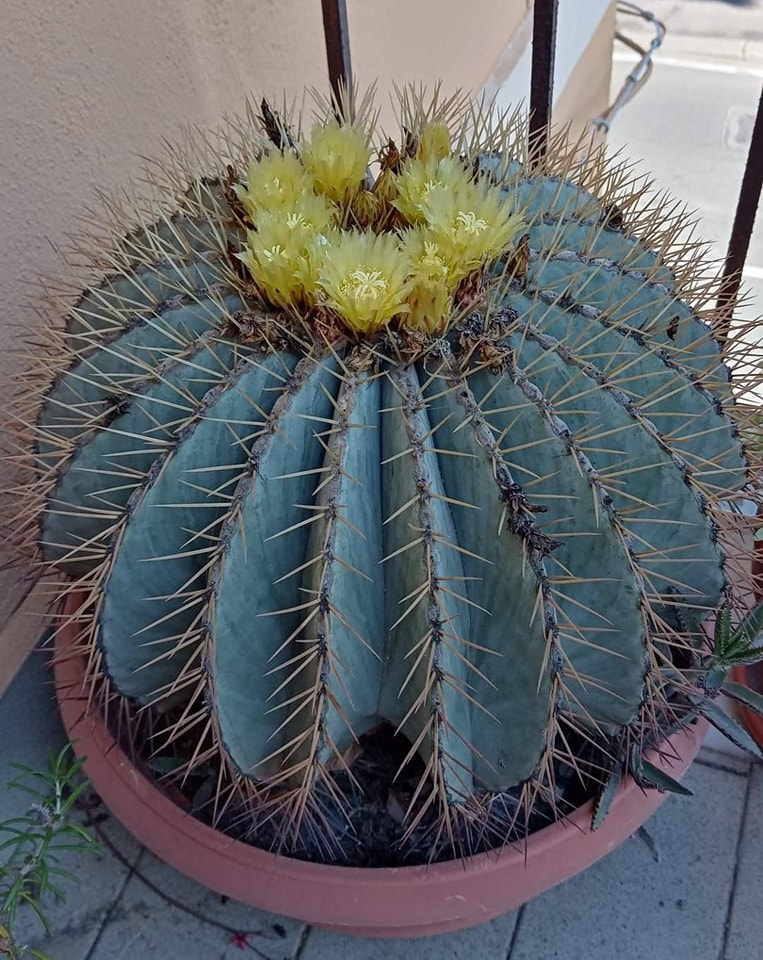
Ferocactus viridescens
Vulnerable
Ariocarpus
6 species shown · all CITES Appendix I
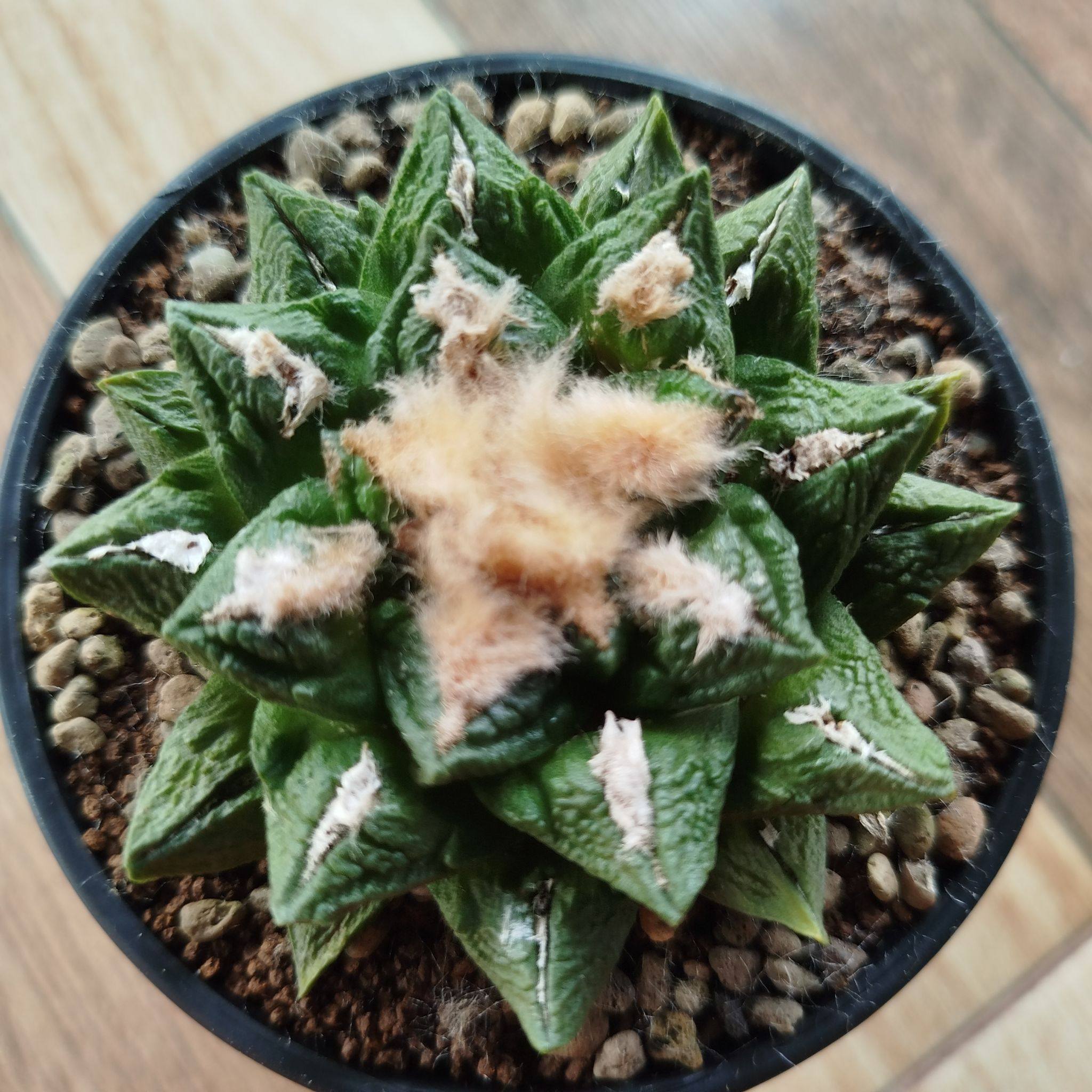
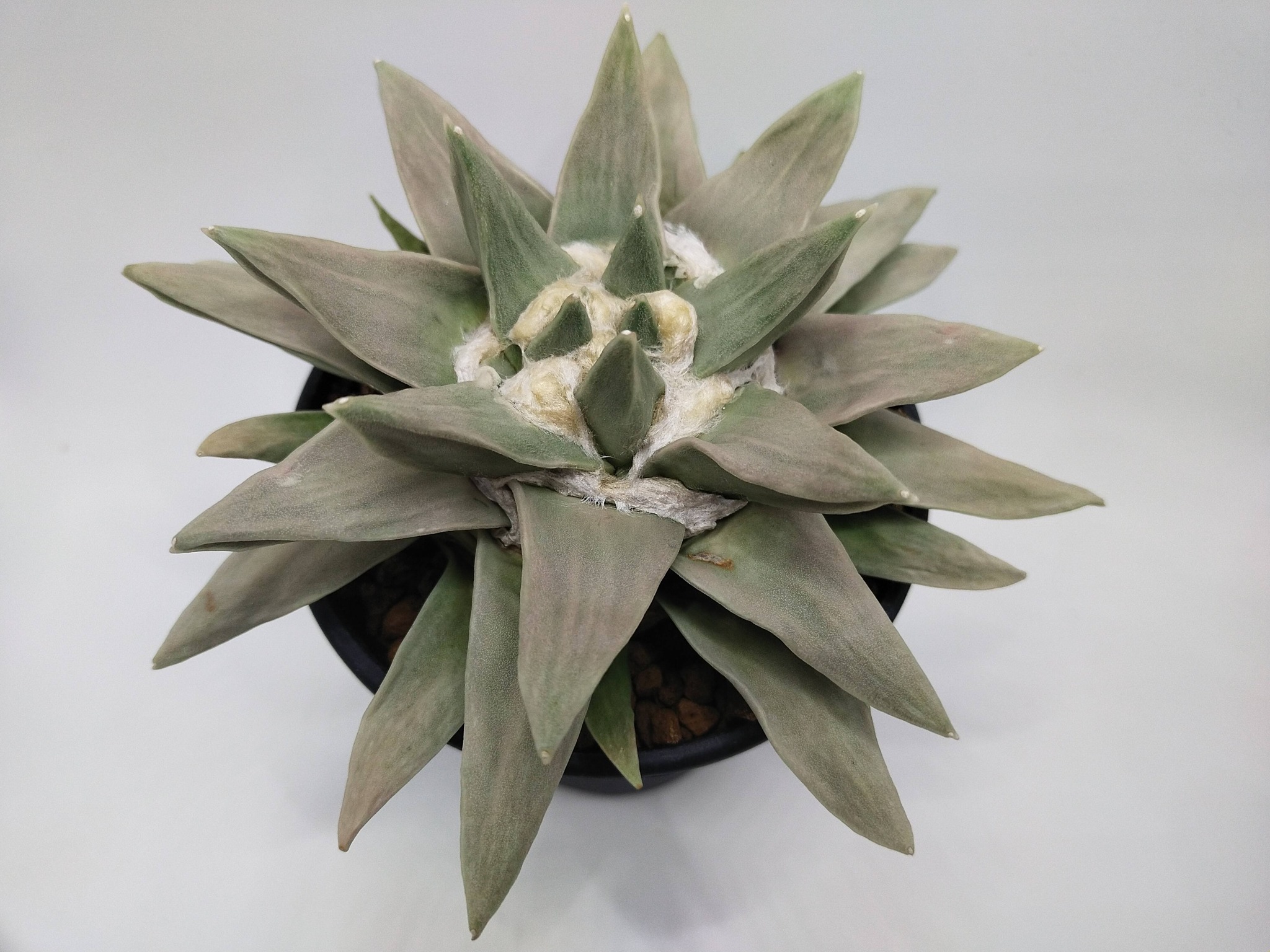
Ariocarpus holds 6 ranked species on this index, all listed on CITES Appendix I; Ariocarpus scaphirostris ranks first, with a wild-habitat rarity score of 9.5 out of 10, and all 6 carry an IUCN threatened category.
#1
Ariocarpus scaphirostris
Critically Endangered
#2
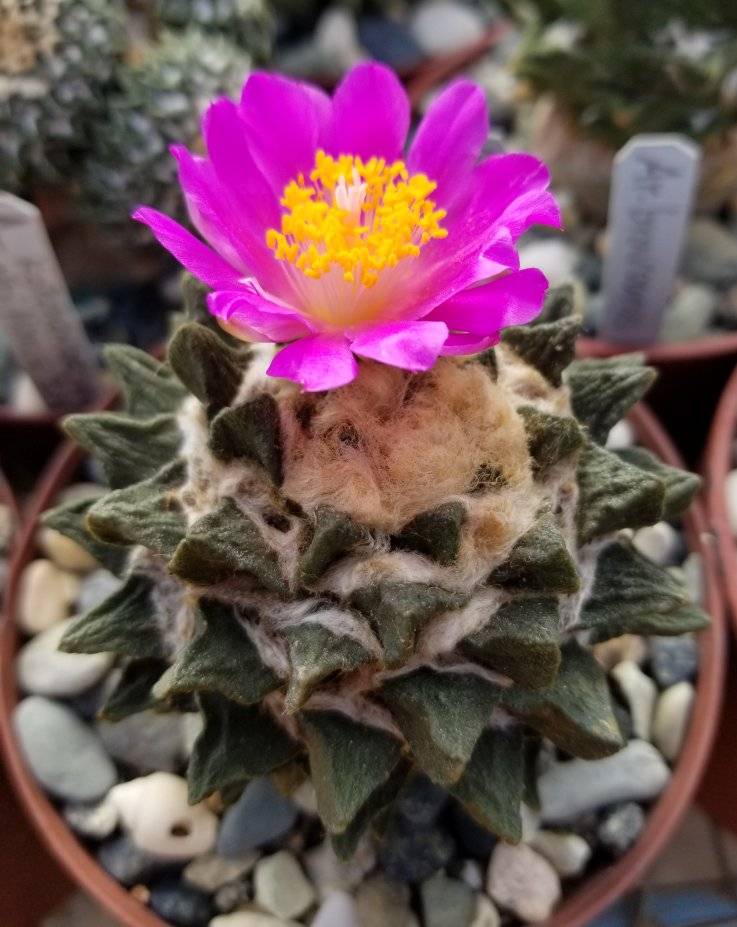
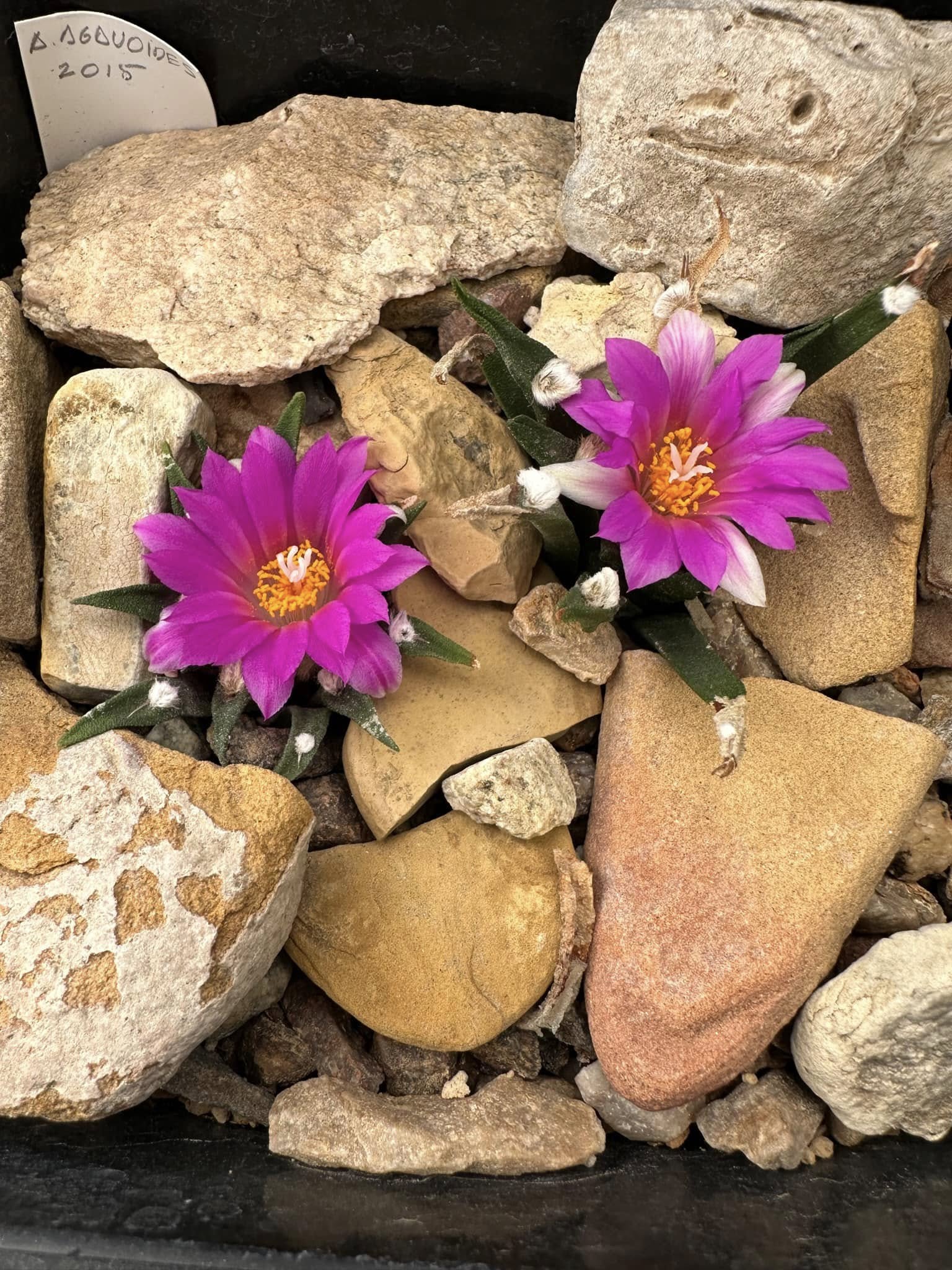
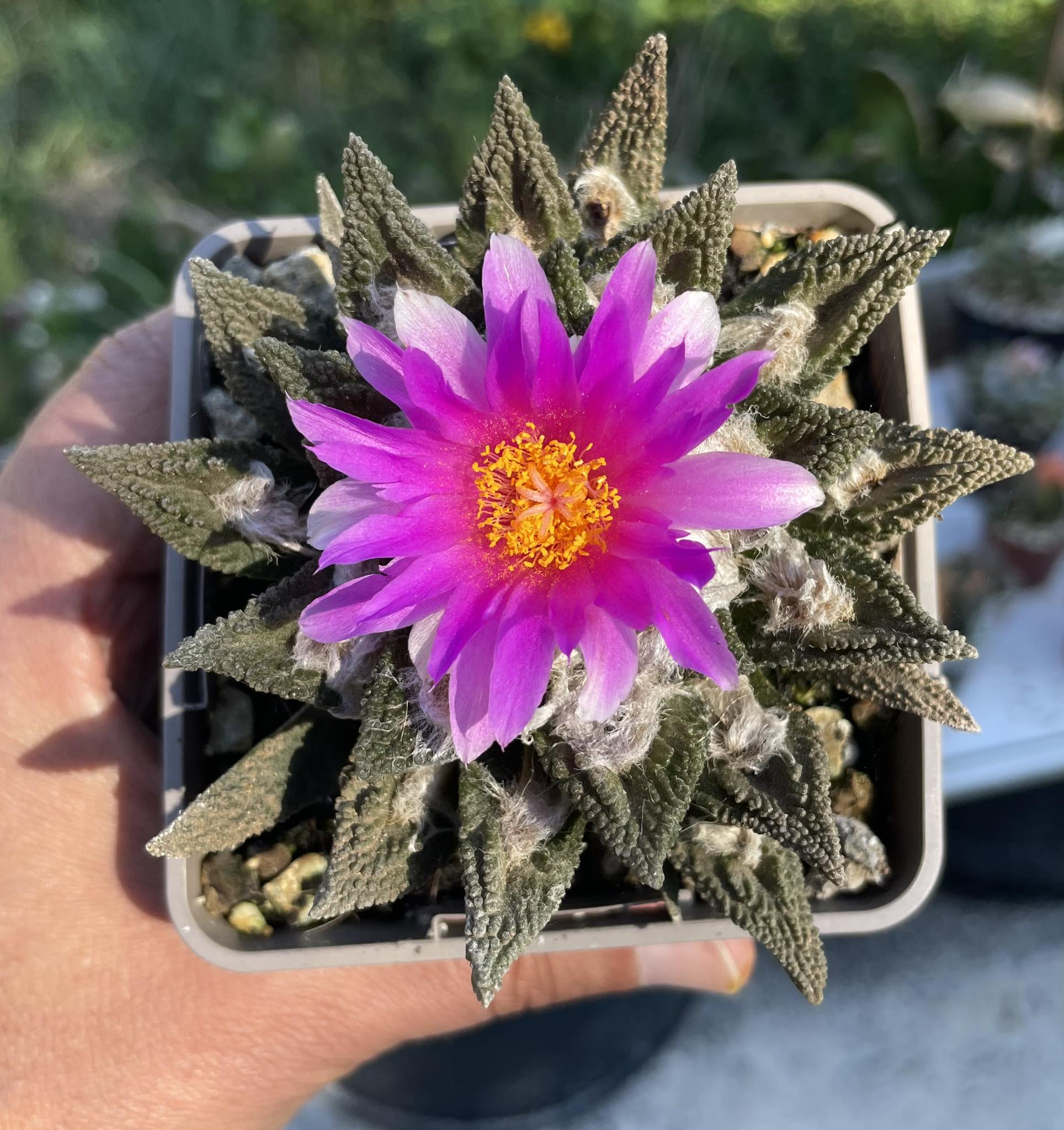
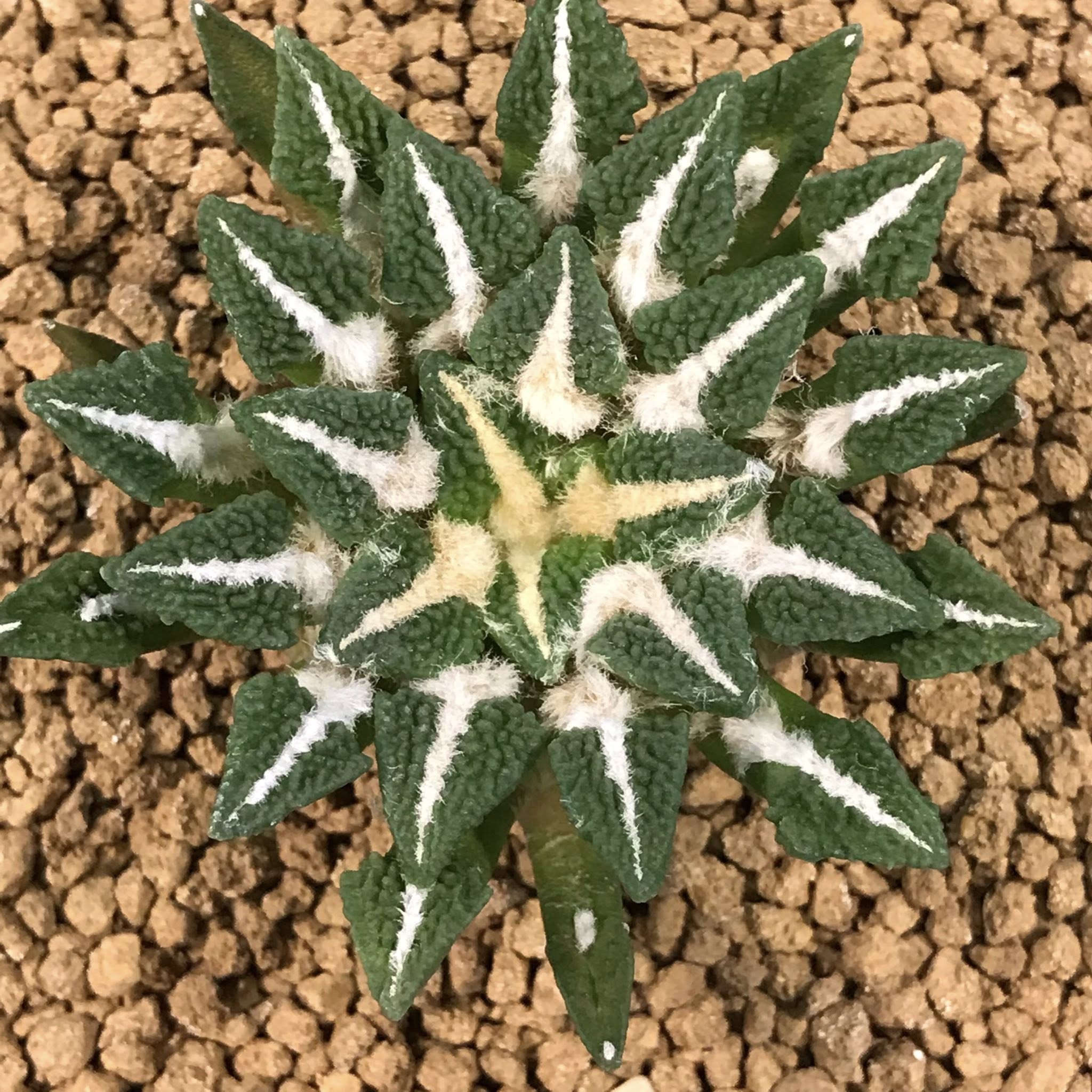
Ariocarpus agavoides
Critically Endangered
#3
Ariocarpus bravoanus
Critically Endangered
#4
Ariocarpus kotschoubeyanus
Endangered
#5
Ariocarpus fissuratus
Endangered
#6
Ariocarpus retusus
Vulnerable
#
Species + origin
Wild rarity
Cultivation rarity
Price
#1
Ariocarpus scaphirostris
Critically Endangered · IUCN Red List
Ariocarpus scaphirostris ranks #1 of the 6 Ariocarpus species on this index: wild-habitat rarity 9.5 out of 10, cultivation rarity 9, IUCN status Critically Endangered. Single population, Nuevo León. Estimated 1,000–3,000 wild individuals. Boat-shaped tubercles unique in the genus. Rarest Ariocarpus in cultivation.
Score
9.5
Single known population. No in-situ protection.
Score
9
Almost never seen commercially.
$$$$
#2
Ariocarpus agavoides
Critically Endangered · IUCN Red List
Ariocarpus agavoides ranks #2 of the 6 Ariocarpus species on this index: wild-habitat rarity 9 out of 10, cultivation rarity 8.2, IUCN status Critically Endangered. Tamaulipas, Mexico. Gypsum hills only. Estimated 2,000–5,000 wild individuals. Spine-tipped tubercles resemble a miniature agave, unique in the genus.
Score
9
Tiny endemic range. Gypsum specialist.
Score
8.2
Occasionally available with documentation.
$$$$
#3
Ariocarpus bravoanus
Critically Endangered · IUCN Red List
Ariocarpus bravoanus ranks #3 of the 6 Ariocarpus species on this index: wild-habitat rarity 8.5 out of 10, cultivation rarity 7.5, IUCN status Critically Endangered. San Luis Potosí, restricted range. Includes subsp. hintonii. Estimated 3,000–7,000 wild individuals. Recently separated from A. kotschoubeyanus.
Score
8.5
Small threatened population.
Score
7.5
Specialist trade. Verify against kotschoubeyanus.
$$$
#4
Ariocarpus kotschoubeyanus
Endangered · IUCN Red List
Ariocarpus kotschoubeyanus ranks #4 of the 6 Ariocarpus species on this index: wild-habitat rarity 7.5 out of 10, cultivation rarity 5.5, IUCN status Endangered. Central northern Mexico. Estimated 8,000–15,000 wild individuals. Smallest Ariocarpus; rarely exceeds 4 cm. Tuberous roots demand near-perfect drainage.
Score
7.5
Endangered. Difficult to census due to small size.
Score
5.5
Available from specialist nurseries.
$$
#5
Ariocarpus fissuratus
Endangered · IUCN Red List
Ariocarpus fissuratus ranks #5 of the 6 Ariocarpus species on this index: wild-habitat rarity 6 out of 10, cultivation rarity 3, IUCN status Endangered. Chihuahuan Desert, Texas and northern Mexico. Estimated 20,000–40,000 wild individuals. Only Ariocarpus extending into the USA. Most widely cultivated species.
Score
6
Endangered. Slow natural recruitment.
Score
3
Most available Ariocarpus. Widely offered.
$$
#6
Ariocarpus retusus
Vulnerable · IUCN Red List
Ariocarpus retusus ranks #6 of the 6 Ariocarpus species on this index: wild-habitat rarity 5 out of 10, cultivation rarity 2.5, IUCN status Vulnerable. Central northern Mexico plateau. Estimated 30,000–60,000 wild individuals. Largest Ariocarpus; reaches 20 cm across. Most variable species in the genus.
Score
5
Vulnerable. Most widespread in the genus.
Score
2.5
Readily available from specialist nurseries.
$
Lophophora
3 species · all CITES Appendix II
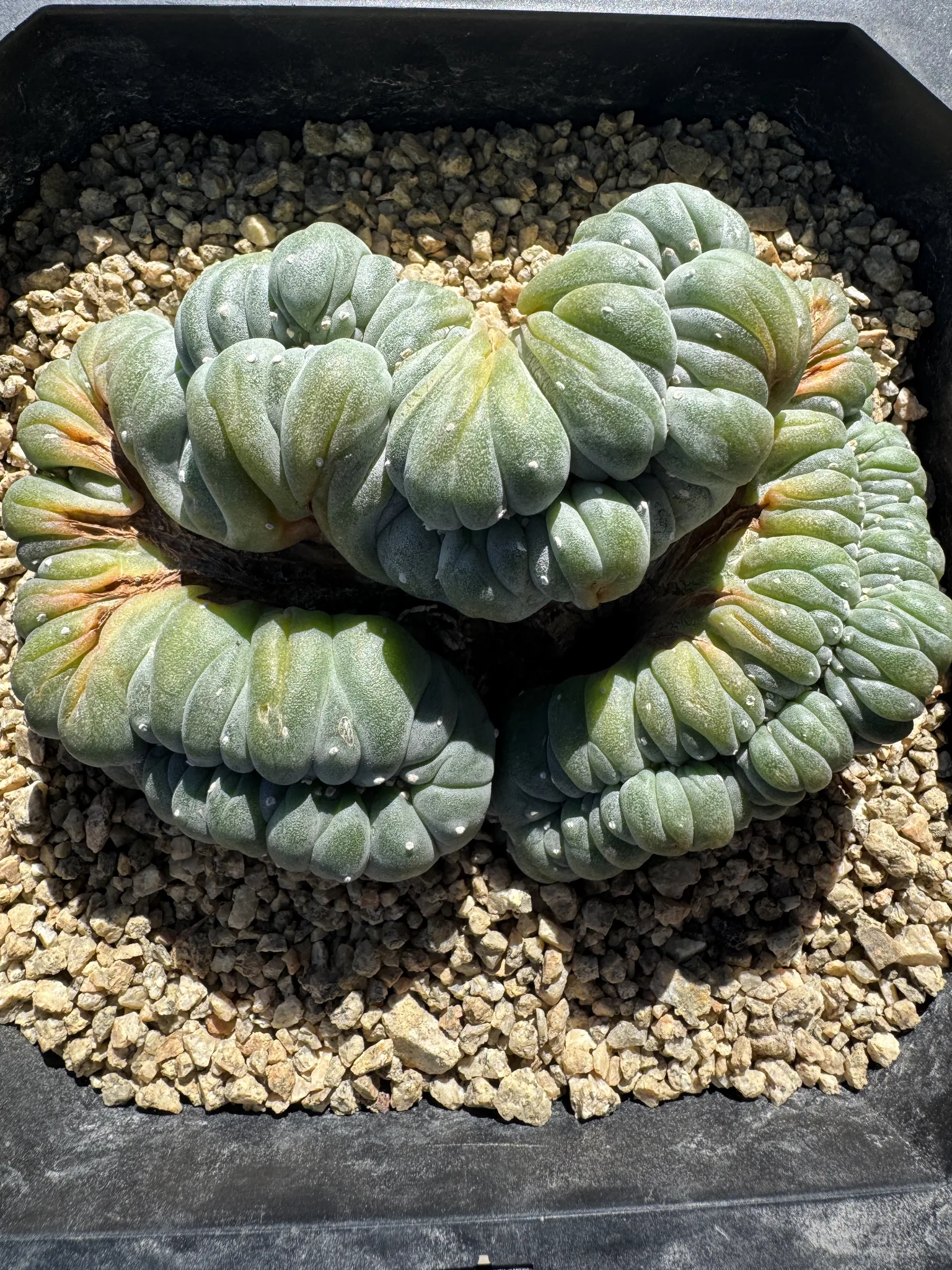
Lophophora holds 3 ranked species on this index, all listed on CITES Appendix II; Lophophora williamsii ranks first, with a wild-habitat rarity score of 7 out of 10, and 2 of the 3 carry an IUCN threatened category, with Lophophora fricii listed as Data Deficient.
#1
Lophophora williamsii
Vulnerable
#2
Lophophora diffusa
Vulnerable
#3
Lophophora fricii
Data Deficient
#
Species + origin
Wild rarity
Cultivation rarity
Price
#1
Lophophora williamsii
Vulnerable · IUCN Red List
Lophophora williamsii ranks #1 of the 3 Lophophora species on this index: wild-habitat rarity 7 out of 10, cultivation rarity 8, IUCN status Vulnerable. Chihuahuan Desert, Texas and northern Mexico. Estimated 100,000–200,000 wild individuals. Slow-growing and button-like. Significant population decline from illegal collection documented.
Score
7
Vulnerable. Ongoing decline from collection and habitat loss.
Score
8
Legal restrictions severely limit availability in most countries.
N/A
#2
Lophophora diffusa
Vulnerable · IUCN Red List
Lophophora diffusa ranks #2 of the 3 Lophophora species on this index: wild-habitat rarity 7.2 out of 10, cultivation rarity 8.2, IUCN status Vulnerable. Querétaro, Mexico only. Restricted range in dry scrub on limestone. Estimated 50,000–100,000 wild individuals. Spineless and pale green, more washed out in appearance than williamsii.
Score
7.2
More restricted range than williamsii.
Score
8.2
Same legal restrictions apply. Not commercially available.
N/A
#3
Lophophora fricii
Data Deficient · IUCN Red List
Lophophora fricii ranks #3 of the 3 Lophophora species on this index: wild-habitat rarity 6.5 out of 10, cultivation rarity 8, IUCN status Data Deficient. Viesca region, Coahuila, Mexico. Described by Habermann in 1975. Distinguished from williamsii by its yellowish grey-green body and low, poorly defined ribs.
Score
6.5
Restricted to the Viesca region of Coahuila.
Score
8
Same legal restrictions apply. Not commercially available.
N/A
Copiapoa
6 species shown · CITES Appendix II · 82% of genus Critically Endangered or Endangered (IUCN 2025)
Copiapoa holds 6 ranked species on this index; Copiapoa laui ranks first, with a wild-habitat rarity score of 10 out of 10, and all 6 carry an IUCN threatened category.
#1
Copiapoa laui
Critically Endangered
#2
Copiapoa humilis subsp. tenuissima
Critically Endangered
#3
Copiapoa solaris
Endangered
#4
Copiapoa cinerea subsp. krainziana
Critically Endangered
#5
Copiapoa esmeraldana
Critically Endangered
#6
Copiapoa cinerea subsp. cinerea
Critically Endangered
#
Species + origin
Wild rarity
Cultivation rarity
Price
#1
Copiapoa laui
Critically Endangered · IUCN Red List
Copiapoa laui ranks #1 of the 6 Copiapoa species on this index: wild-habitat rarity 10 out of 10, cultivation rarity 8, IUCN status Critically Endangered. Northern Atacama, Chile. Area of occupancy under 20km². Estimated fewer than 1,000 mature individuals. Stems reach only 1cm diameter. Most evolutionarily distinct Copiapoa.
Score
10
Under 1,000 individuals. AOO <20km².
Score
8
Specialist only. Decades to appreciable size.
$$$$
#2
Copiapoa humilis subsp. tenuissima
Critically Endangered · IUCN Red List
Copiapoa humilis subsp. tenuissima ranks #2 of the 6 Copiapoa species on this index: wild-habitat rarity 9.2 out of 10, cultivation rarity 7.2, IUCN status Critically Endangered. Northernmost Atacama, Chile. Area of occupancy under 10km². Estimated fewer than 800 individuals. Miniature even by Copiapoa standards. No in-situ protection.
Score
9.2
Under 800 individuals. AOO <10km².
Score
7.2
Rarely seen in trade. Decades to any specimen.
$$$$
#3
Copiapoa solaris
Endangered · IUCN Red List
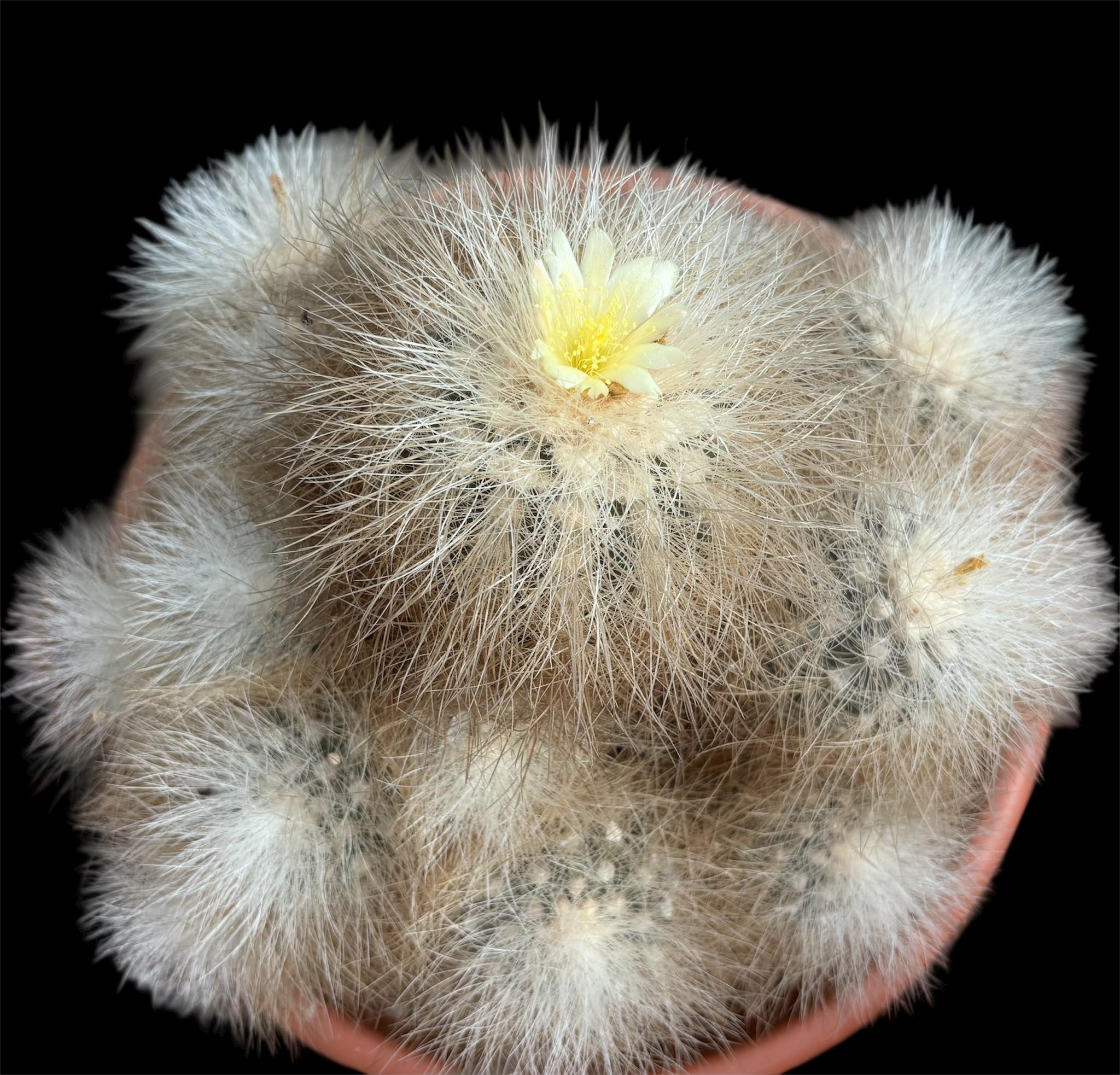
Copiapoa solaris ranks #3 of the 6 Copiapoa species on this index: wild-habitat rarity 9 out of 10, cultivation rarity 7, IUCN status Endangered. Northern Atacama coast, Chile. Area of occupancy under 100km². Estimated 3,000–8,000 wild individuals. Cliff-growing. Distinctive abundant white wool.
Score
9
3,000–8,000 estimated. Road construction active threat.
Score
7
Seed-grown circulate. Mature specimens scarce.
$$$$
#4
Copiapoa cinerea subsp. krainziana
Critically Endangered · IUCN Red List
Copiapoa cinerea subsp. krainziana ranks #4 of the 6 Copiapoa species on this index: wild-habitat rarity 9.3 out of 10, cultivation rarity 6.5, IUCN status Critically Endangered. Taltal vicinity, Chile only. Area of occupancy under 20km². Estimated 2,000–5,000 individuals. Collector demand explicitly documented as an extinction driver in published research.
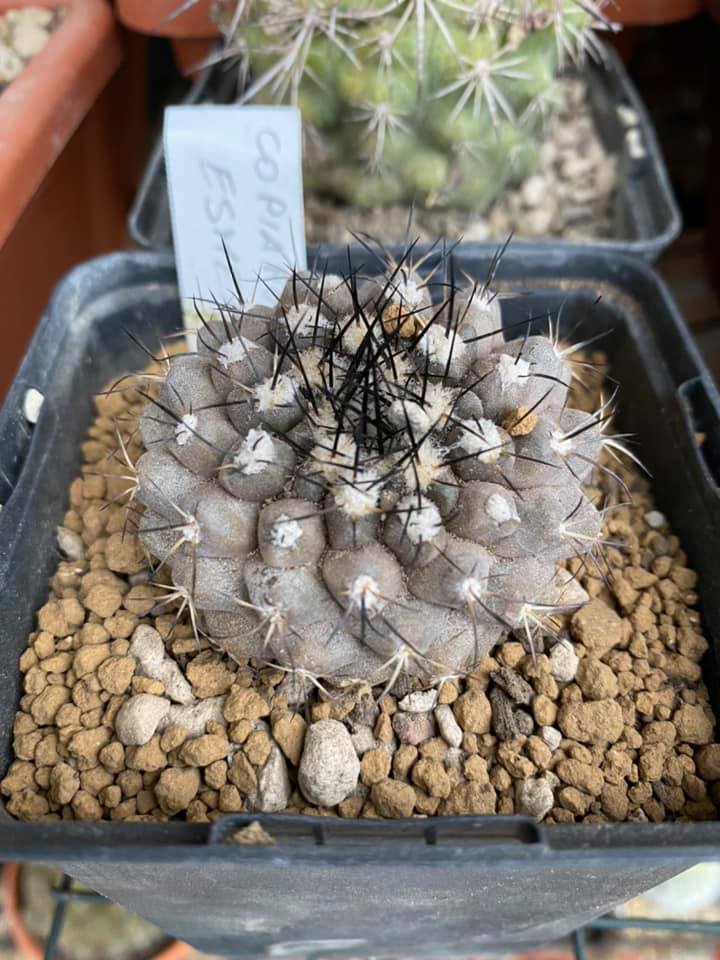
Copiapoa esmeraldana ranks #5 of the 6 Copiapoa species on this index: wild-habitat rarity 8.8 out of 10, cultivation rarity 5.5, IUCN status Critically Endangered. Esmeraldas area, coastal Chile. Area of occupancy under 20km². Estimated 2,000–4,000 individuals. Best habitat condition of any Copiapoa but range so narrow any disruption is catastrophic.
Score
8.8
2,000–4,000 estimated. Tiny range despite intact habitat.
Score
5.5
Present in European collections. Seed occasional.
$$$$
#6
Copiapoa cinerea subsp. cinerea
Critically Endangered · IUCN Red List
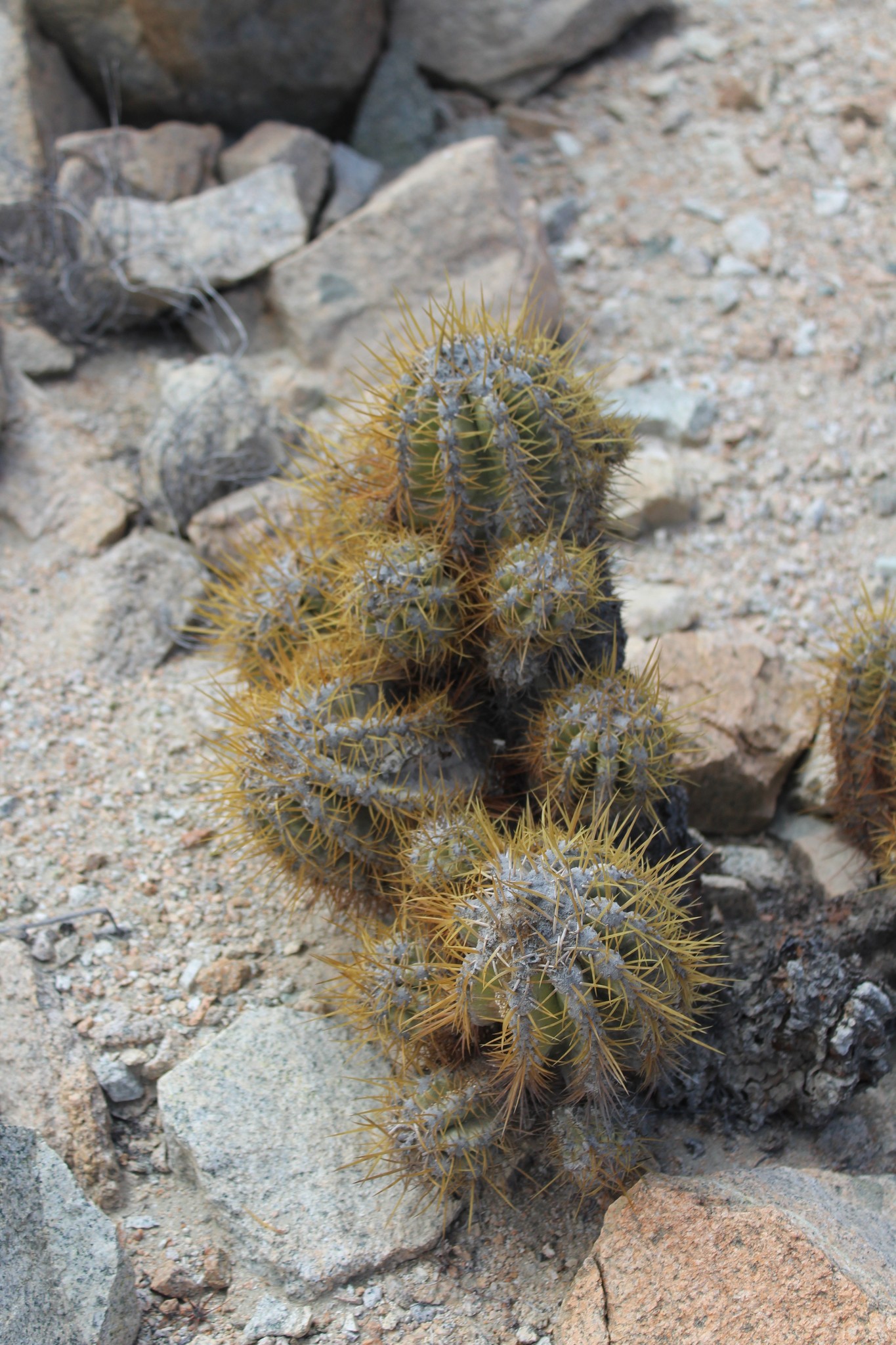
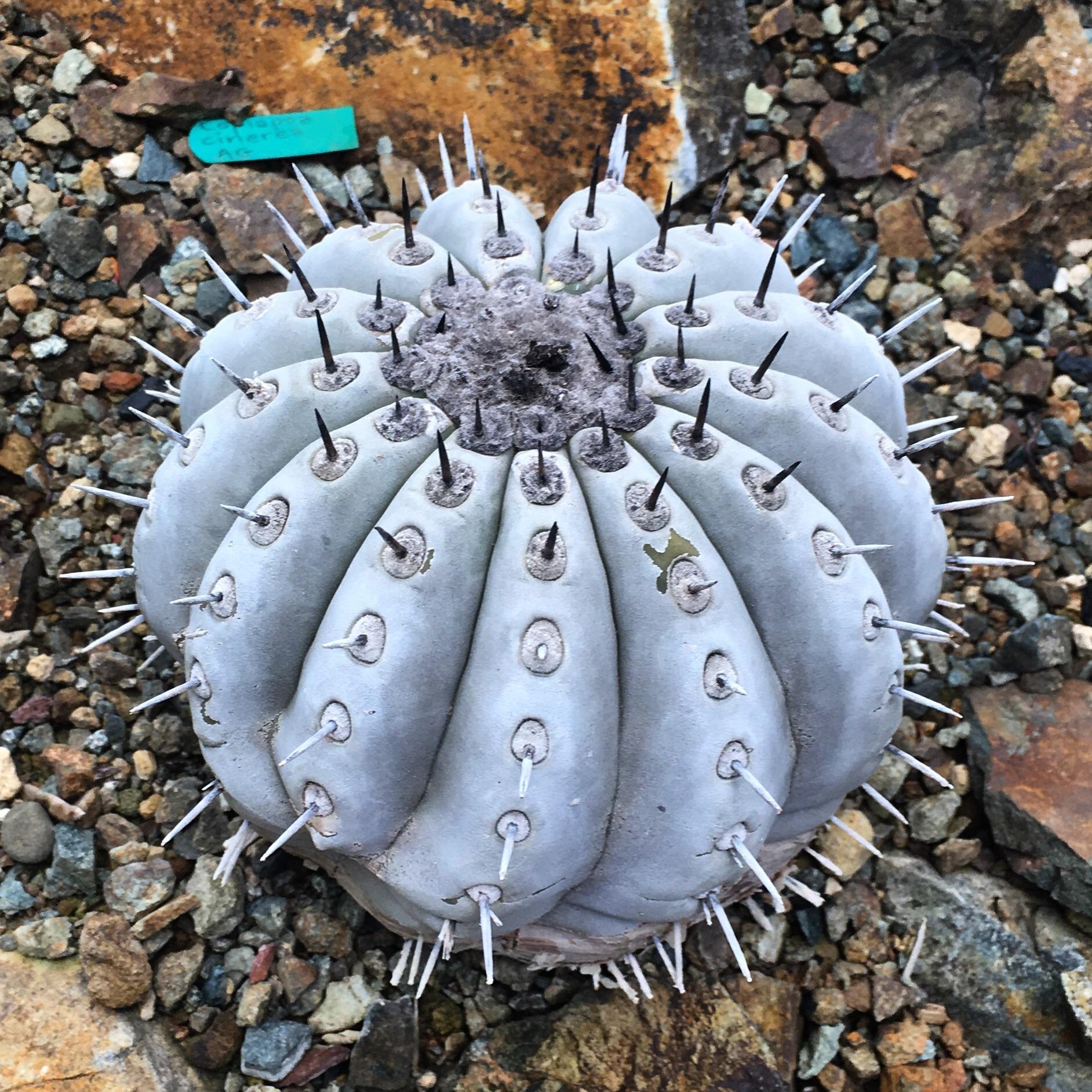
Copiapoa cinerea subsp. cinerea ranks #6 of the 6 Copiapoa species on this index: wild-habitat rarity 8.7 out of 10, cultivation rarity 4, IUCN status Critically Endangered. Coastal Atacama around Taltal. Estimated 5,000–12,000 individuals. Silver farina-covered stems. Can live 200 years; wild plants are centuries old and irreplaceable.
Mammillaria holds 9 ranked species on this index; Mammillaria napina ranks first, with a wild-habitat rarity score of 9.1 out of 10, and all 9 carry an IUCN threatened category.
#1
Mammillaria napina
Critically Endangered
#2
Mammillaria pectinifera
Endangered
#3
Mammillaria schwarzii
Critically Endangered
#4
Mammillaria duwei
Critically Endangered
#5
Mammillaria herrerae
Critically Endangered
#6
Mammillaria luethyi
Vulnerable
#7
Mammillaria huitzilopochtli
Critically Endangered
#8
Mammillaria bertholdii
Critically Endangered
#9
Mammillaria crucigera
Endangered
#
Species + origin
Wild rarity
Cultivation rarity
Price
#1
Mammillaria napina
Critically Endangered · IUCN Red List
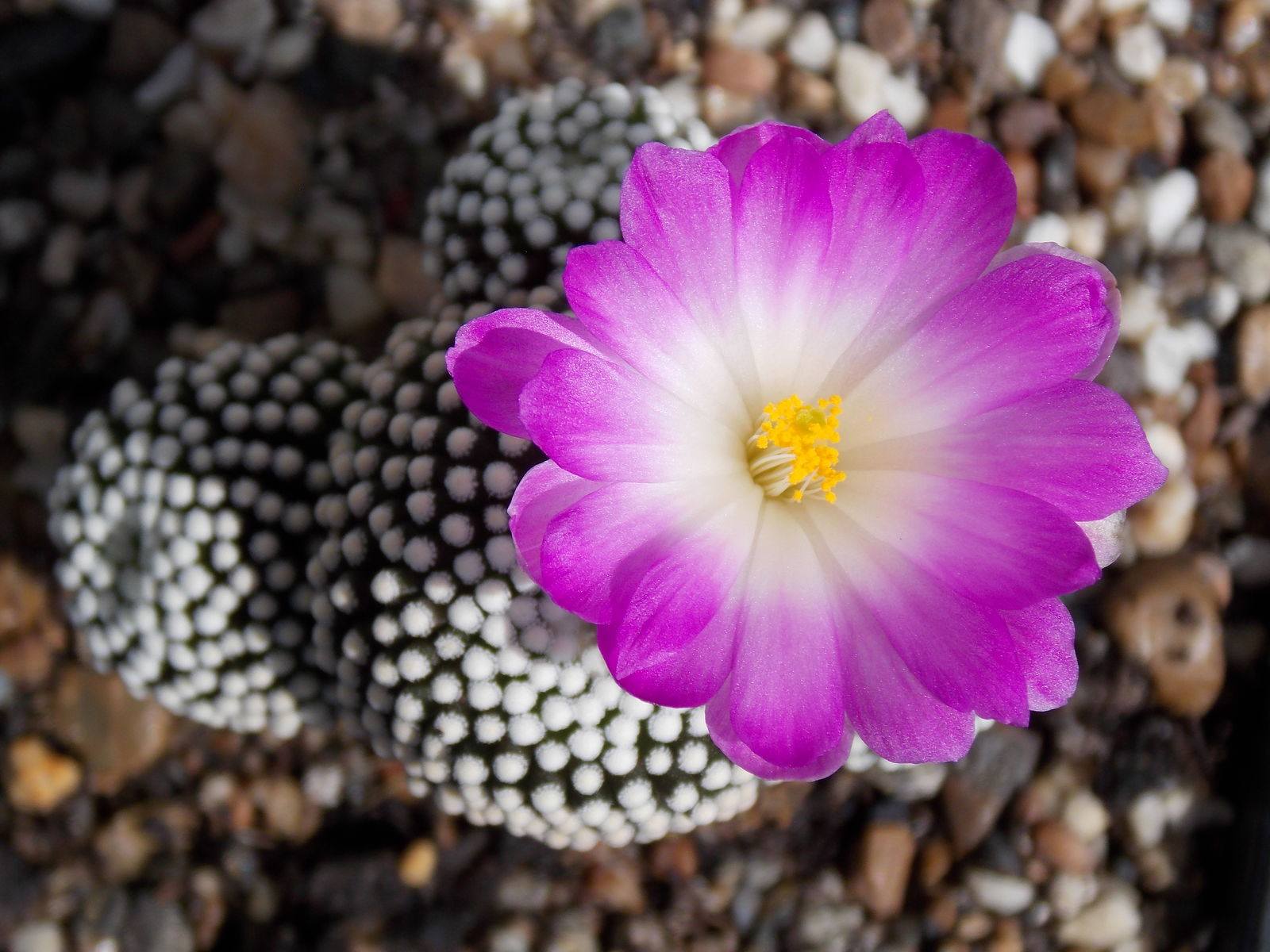
Mammillaria napina ranks #1 of the 9 Mammillaria species on this index: wild-habitat rarity 9.1 out of 10, cultivation rarity 7.5, IUCN status Critically Endangered. Tehuacán Valley, Puebla. Estimated 3,000–6,000 wild individuals. Body almost entirely below ground. Disc-like form unique in the genus.
Mammillaria pectinifera ranks #2 of the 9 Mammillaria species on this index: wild-habitat rarity 9 out of 10, cultivation rarity 6.5, IUCN status Endangered. Tehuacán-Cuicatlán Valley, Puebla and Oaxaca. 18 fragmented populations. Estimated 15,000–25,000 individuals. Commercial collection confirmed as primary extinction driver.
Score
9
18 populations. Genetic bottlenecks documented.
Score
6.5
Seed-grown available in specialist trade.
$$$
#3
Mammillaria schwarzii
Critically Endangered · IUCN Red List
Mammillaria schwarzii ranks #3 of the 9 Mammillaria species on this index: wild-habitat rarity 8.8 out of 10, cultivation rarity 7.0, IUCN status Critically Endangered. Querétaro, Mexico. Single known population near Jalpan de Serra. Estimated 2,000–4,000 wild individuals. Heavily covered in white spines forming a distinctive dense mat. Highly sought by collectors for its appearance.
Score
8.8
Single population. Collector pressure documented.
Score
7.0
Occasionally available from specialist sources.
$$$
#4
Mammillaria duwei
Critically Endangered · IUCN Red List
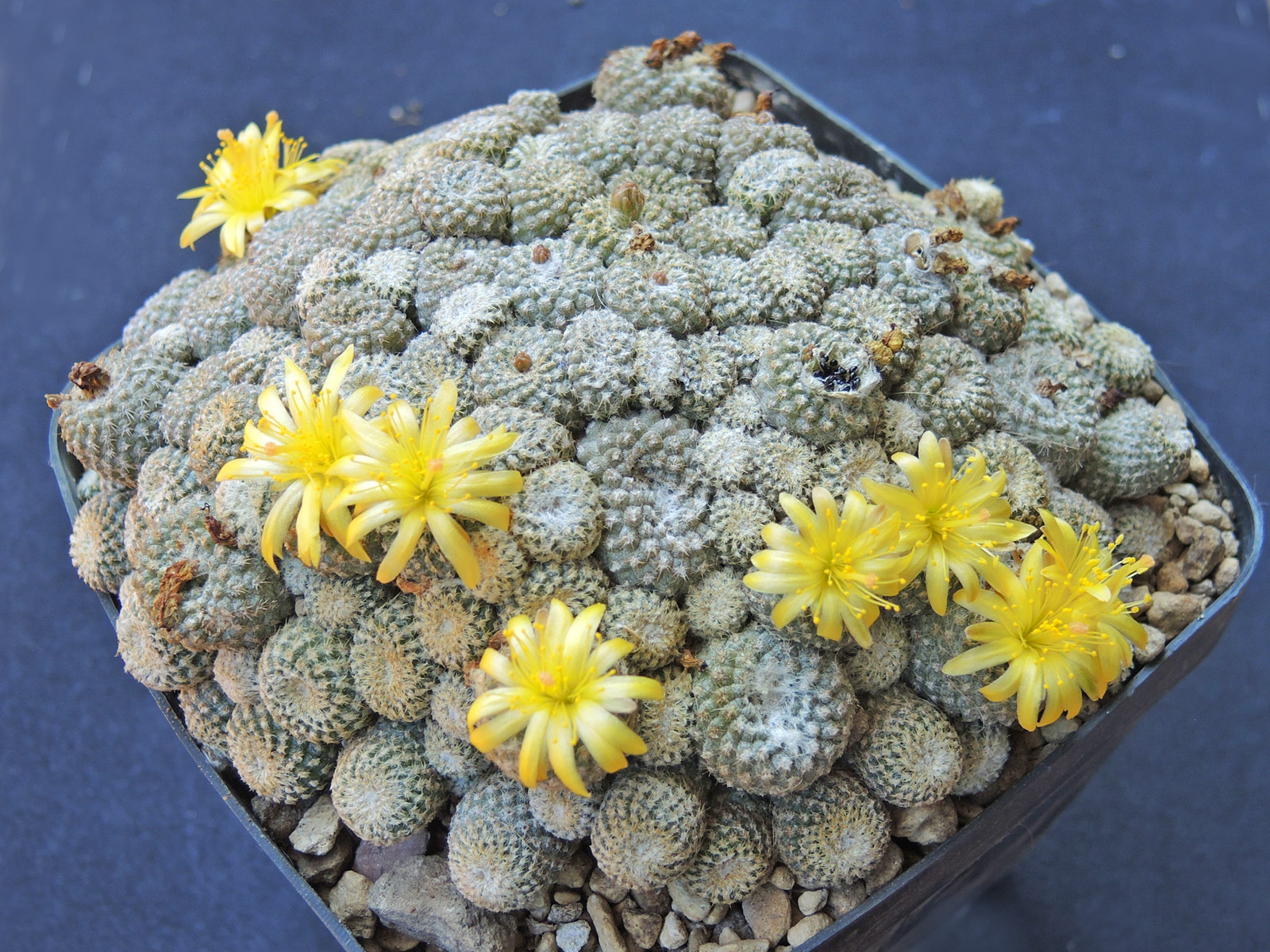
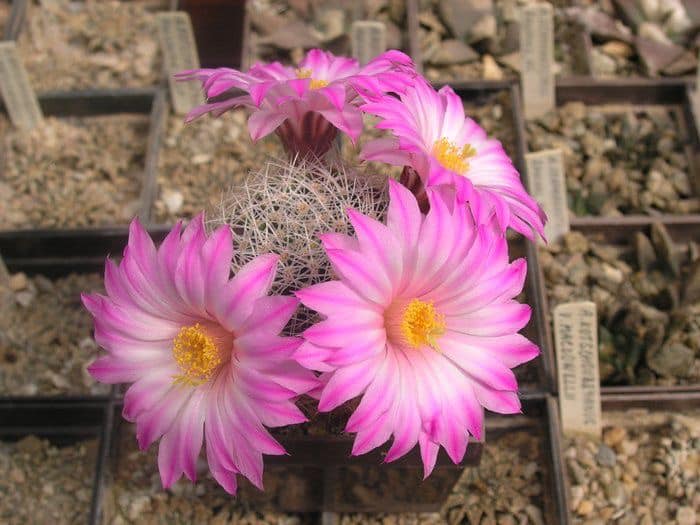
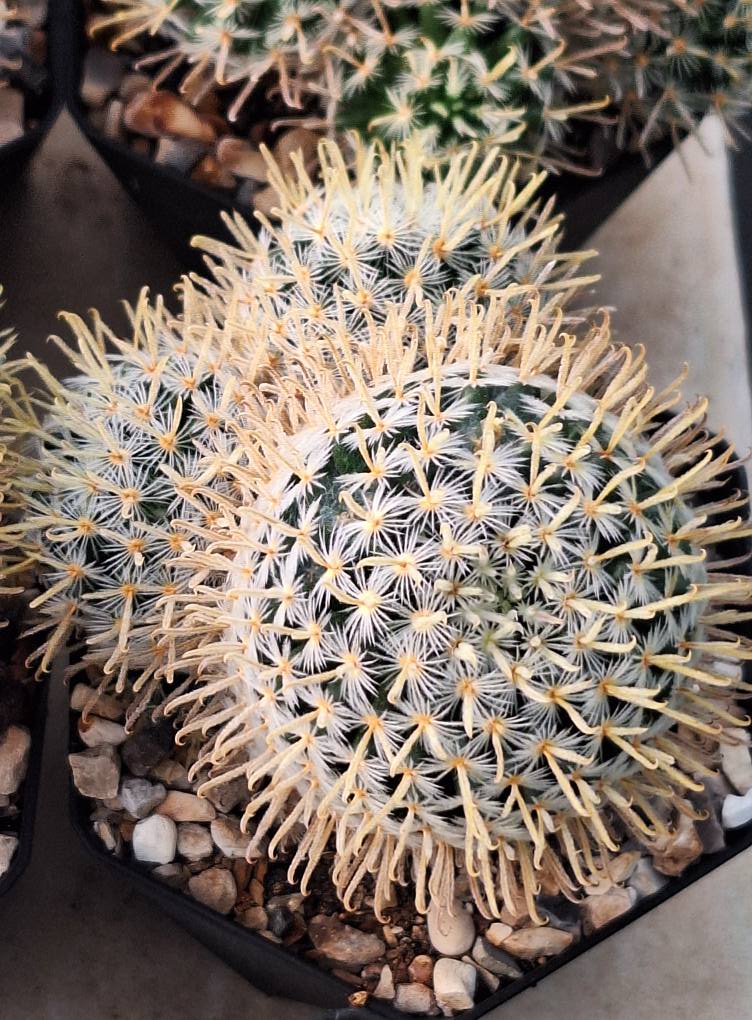
Mammillaria duwei ranks #4 of the 9 Mammillaria species on this index: wild-habitat rarity 9.3 out of 10, cultivation rarity 7.8, IUCN status Critically Endangered. Querétaro, Mexico. Extremely restricted range in dry scrub. Estimated fewer than 1,000 wild individuals. One of the smallest Mammillaria species. Long white spines and yellow flowers distinguish it from related species.
Score
9.3
Under 1,000 individuals. Tiny endemic range.
Score
7.8
Rarely seen in trade. Specialist European collections only.
$$$
#5
Mammillaria herrerae
Critically Endangered · IUCN Red List
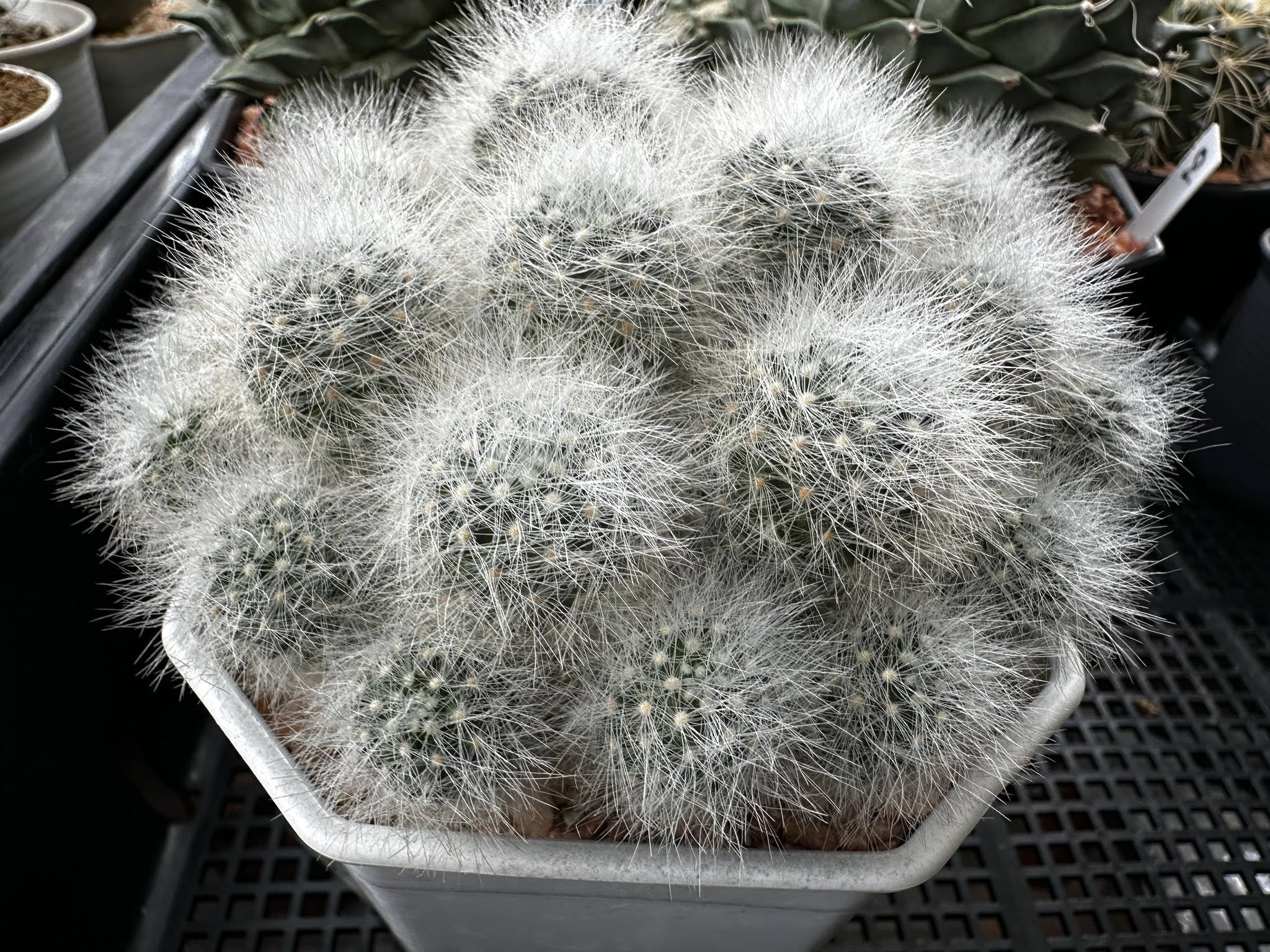
Mammillaria herrerae ranks #5 of the 9 Mammillaria species on this index: wild-habitat rarity 9.4 out of 10, cultivation rarity 7.5, IUCN status Critically Endangered. Cadereyta, Querétaro, Mexico. Single documented population of approximately 430 individuals. Over 95% of the wild population lost to illegal collection. Dense white pectinate spines covering the entire body made it a prime target for collectors. Among the most critically threatened Mammillaria in the genus.
Score
9.4
~430 individuals documented. 95%+ lost to illegal collection.
Score
7.5
Seed-grown circulate but legitimate material is scarce.
$$$
#6
Mammillaria luethyi
Vulnerable · IUCN Red List
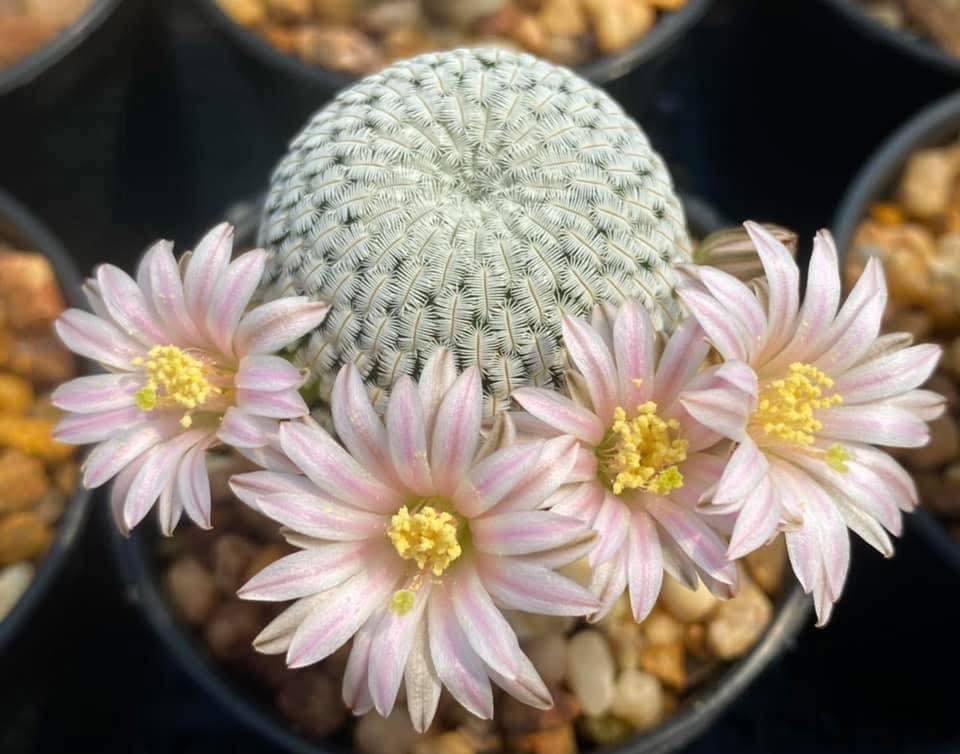
Mammillaria luethyi ranks #6 of the 9 Mammillaria species on this index: wild-habitat rarity 7.8 out of 10, cultivation rarity 1.5, IUCN status Vulnerable. Coahuila, Mexico. Exact locations kept secret. Estimated several thousand wild individuals. Was a 44-year botanical mystery. Now one of the most widely cultivated Mammillaria worldwide.
Score
7.8
Locations secret. Disclosure would push to Critically Endangered.
Score
1.5
Extremely common in cultivation. Seed widely available.
$
#7
Mammillaria huitzilopochtli
Critically Endangered · IUCN Red List
Mammillaria huitzilopochtli ranks #7 of the 9 Mammillaria species on this index: wild-habitat rarity 8.2 out of 10, cultivation rarity 6.8, IUCN status Critically Endangered. Oaxaca and Puebla, Mexico. Grows in arid thorn scrub on steep rocky slopes. Estimated 5,000–10,000 wild individuals. Named after the Aztec god of war. Columnar clustering habit distinguishes it from most of the genus.
Uncommon in trade. Specialist sources occasionally stock it.
$$
#8
Mammillaria bertholdii
Critically Endangered · IUCN Red List
Mammillaria bertholdii ranks #8 of the 9 Mammillaria species on this index: wild-habitat rarity 9.1 out of 10, cultivation rarity 8.2, IUCN status Critically Endangered. Oaxaca, Mexico. Described as recently as 2016. Estimated fewer than 2,000 wild individuals in a single restricted area. Compact globose body with distinctive hooked central spines. One of the most recently described Mammillaria species.
Score
9.1
Under 2,000 individuals. Described 2016. Single known area.
Score
8.2
Almost never available. Too recently described to be established in trade.
$$$$
#9
Mammillaria crucigera
Endangered · IUCN Red List
Mammillaria crucigera ranks #9 of the 9 Mammillaria species on this index: wild-habitat rarity 7.6 out of 10, cultivation rarity 6.0, IUCN status Endangered. Tehuacán-Cuicatlán Valley, Puebla and Oaxaca. Estimated 10,000–20,000 wild individuals. Cross-shaped spine pattern gives the species its name. Shares habitat with pectinifera but less severely impacted by collection pressure.
Score
7.6
Endangered. Tehuacán Valley endemic.
Score
6.0
Occasionally available from specialist nurseries.
$$
Astrophytum
3 species shown · CITES Appendix I for A. asterias
Astrophytum holds 3 ranked species on this index; Astrophytum asterias ranks first, with a wild-habitat rarity score of 8.8 out of 10, and all 3 carry an IUCN threatened category.
#1
Astrophytum asterias
Vulnerable (IUCN) · Endangered (USFWS)
#2
Astrophytum caput-medusae
Endangered
#3
Astrophytum coahuilense
Vulnerable
#
Species + origin
Wild rarity
Cultivation rarity
Price
#1
Astrophytum asterias
Vulnerable · IUCN Red List · Endangered · US Fish and Wildlife Service
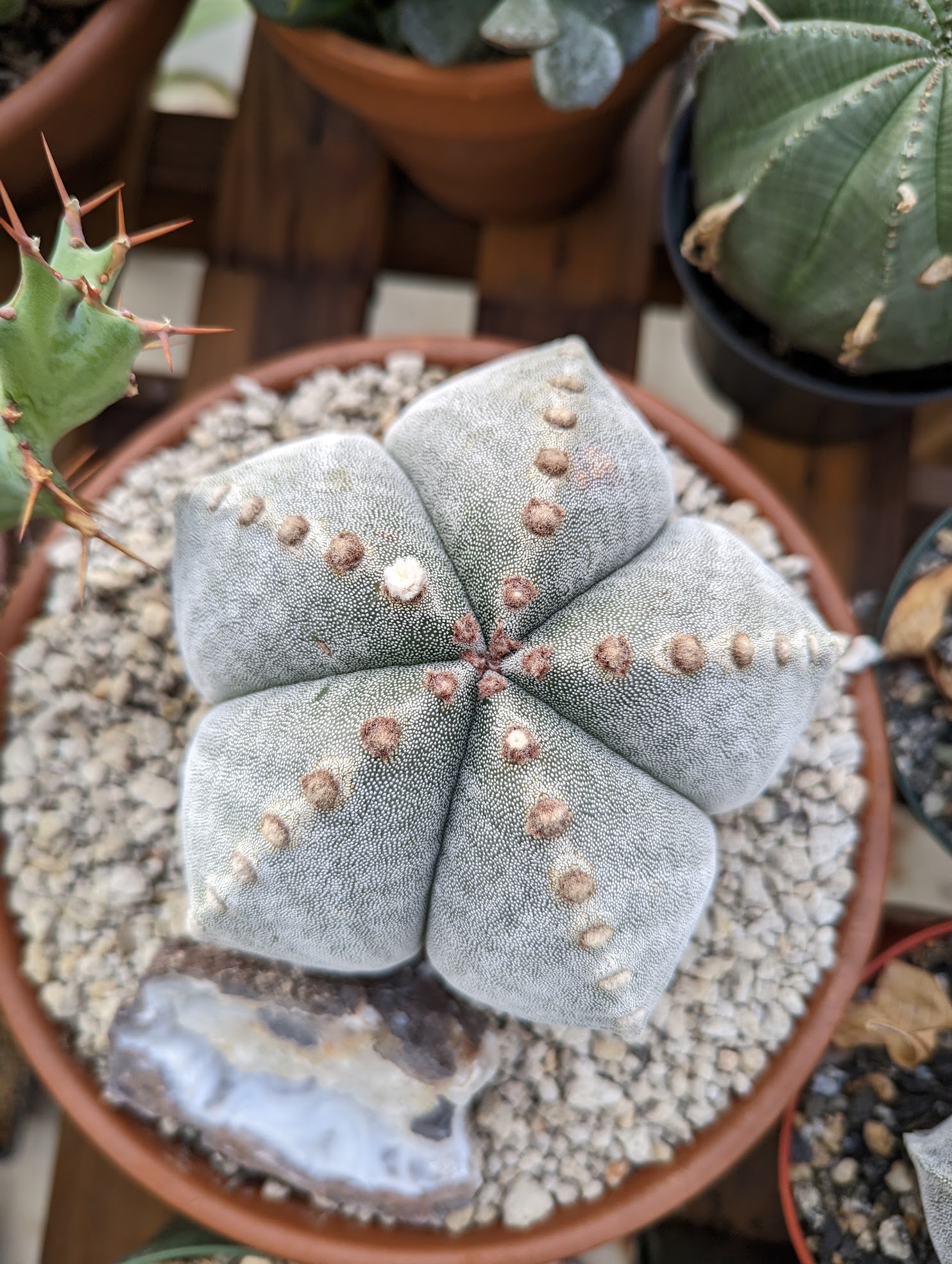
Astrophytum asterias ranks #1 of the 3 Astrophytum species on this index: wild-habitat rarity 8.8 out of 10, cultivation rarity 3.5, IUCN status Vulnerable. Starr County, Texas and Tamaulipas, Mexico. Estimated fewer than 4,000 wild individuals in Texas across three metapopulations. Federally listed as Endangered in the US. Decline attributed to over-collection, poaching, and urban development.
Score
8.8
Under 4,000 in Texas. Federally Endangered in USA.
Score
3.5
Widely cultivated since 1840s. Seed-grown plants available.
$$
#2
Astrophytum caput-medusae
Endangered · IUCN Red List
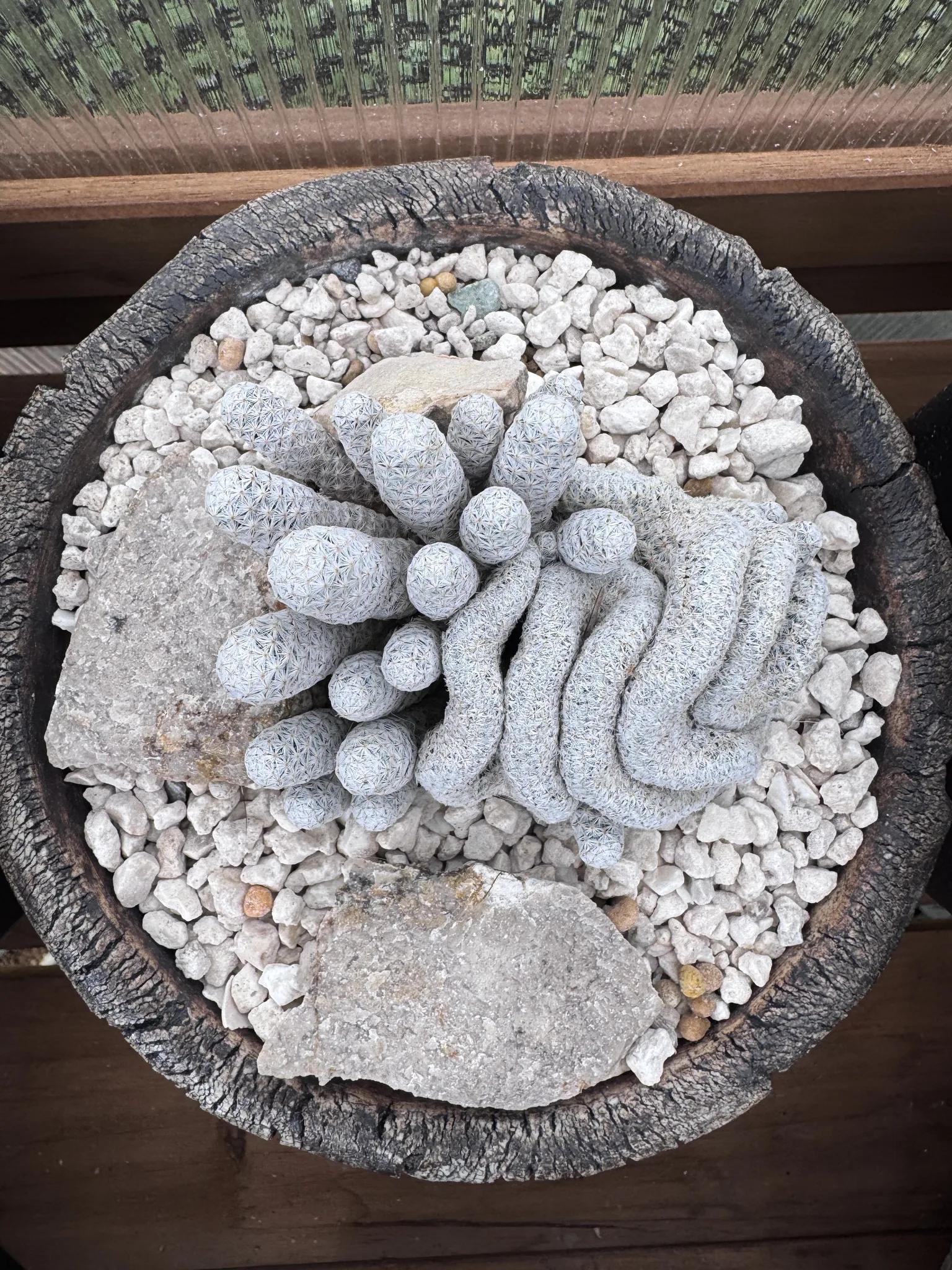
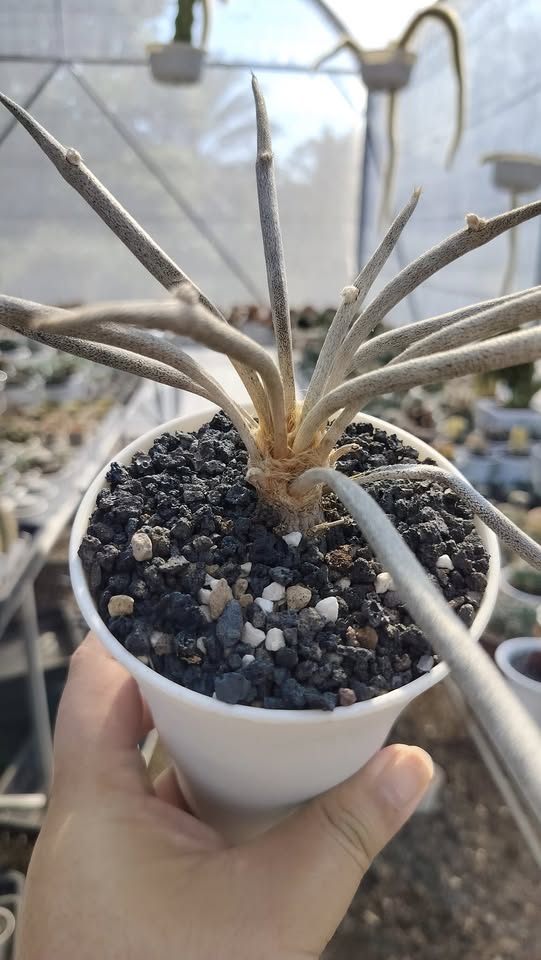
Astrophytum caput-medusae ranks #2 of the 3 Astrophytum species on this index: wild-habitat rarity 8.2 out of 10, cultivation rarity 5, IUCN status Endangered. Nuevo León, Mexico. Discovered 2001. Distinctive snake-like tubercles completely unlike any other Astrophytum. Very restricted range on gypsum. One of the most recently described Astrophytum species.
Score
8.2
Restricted Nuevo León range. Gypsum specialist.
Score
5
Seed-grown available from specialist sources. Unusual appearance drives demand.
$$
#3
Astrophytum coahuilense
Vulnerable · IUCN Red List
Astrophytum coahuilense ranks #3 of the 3 Astrophytum species on this index: wild-habitat rarity 6.2 out of 10, cultivation rarity 3, IUCN status Vulnerable. Coahuila, Mexico. Similar to A. myriostigma but with denser white flecking and more restricted range. Estimated tens of thousands of wild individuals but declining from habitat loss and collection.
Score
6.2
Vulnerable. More restricted than myriostigma.
Score
3
Reasonably available. Often sold alongside myriostigma.
$
Echinopsis
3 species shown · CITES Appendix II · collector interest centred on rare forms
Echinopsis holds 3 ranked species on this index; Echinopsis ancistrophora ranks first, with a wild-habitat rarity score of 6.5 out of 10, and 1 of the 3 carries an IUCN threatened category.
#1
Echinopsis ancistrophora
Vulnerable
#2
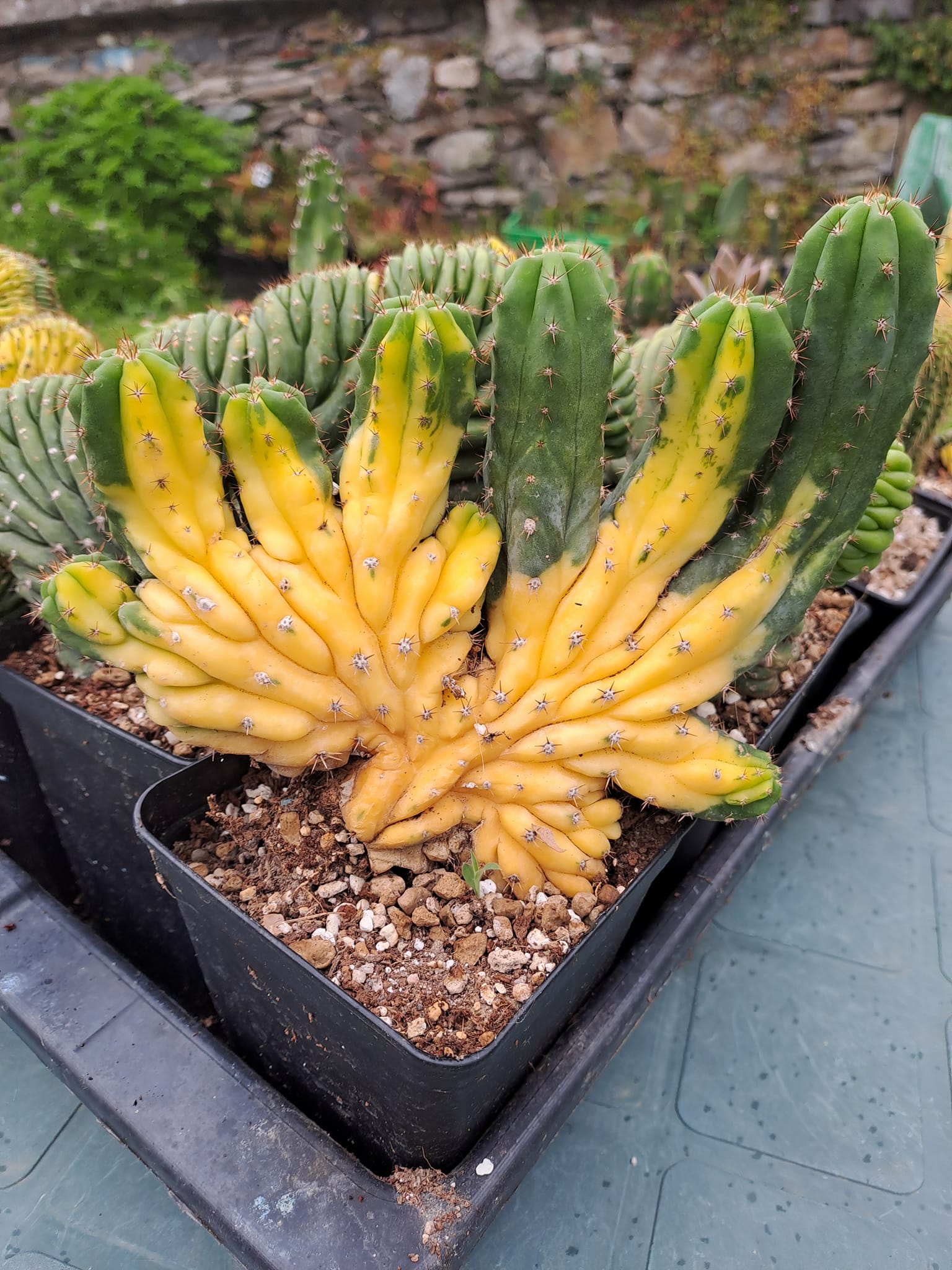
Echinopsis pachanoi (cristate)
Species: Least Concern
#3
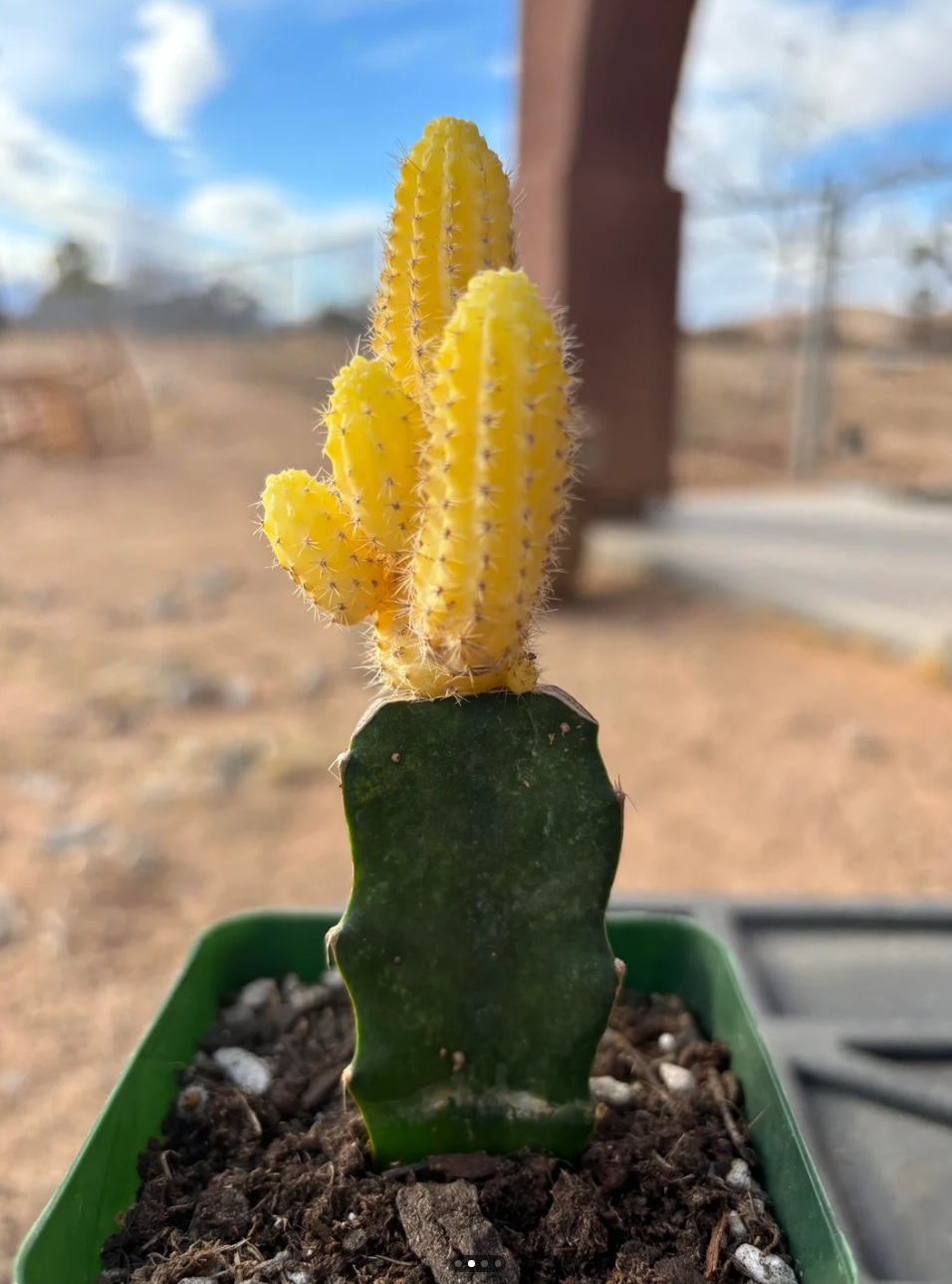
Echinopsis chamaecereus (variegated)
Species: Least Concern
#
Species + origin
Wild rarity
Cultivation rarity
Price
#1
Echinopsis ancistrophora
Vulnerable · IUCN Red List
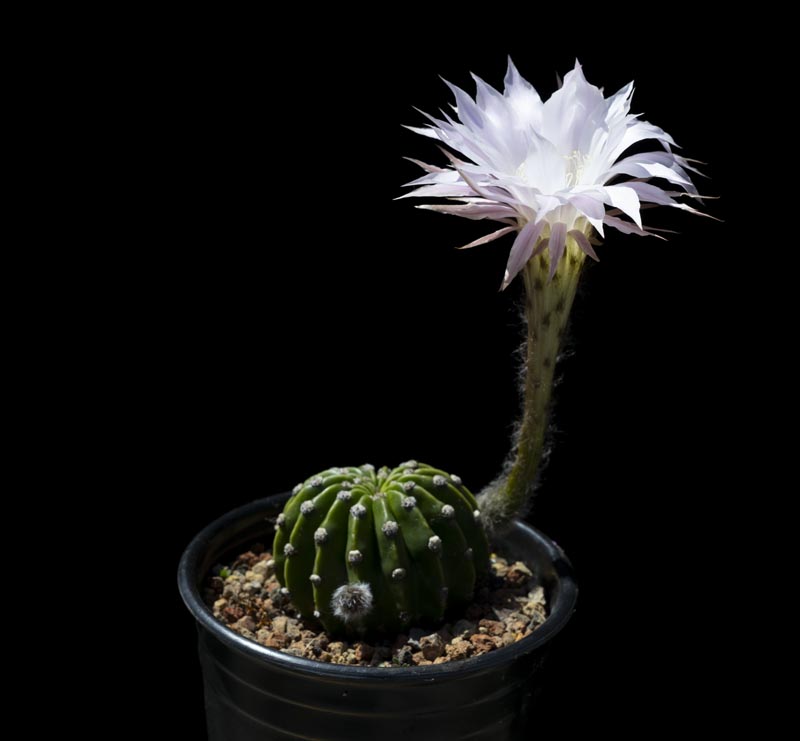
Echinopsis ancistrophora ranks #1 of the 3 Echinopsis species on this index: wild-habitat rarity 6.5 out of 10, cultivation rarity 5.5, IUCN status Vulnerable. Bolivia and northwestern Argentina. Rocky mountain slopes at 1,500–3,000m elevation. Estimated population in decline from habitat fragmentation. Among the rarest species-level Echinopsis in the collector trade.
Score
6.5
Vulnerable. Restricted Andean range.
Score
5.5
Specialist sources only. Less commonly offered than most Echinopsis.
$$
#2
Echinopsis pachanoi (cristate)
Species Least Concern · IUCN Red List
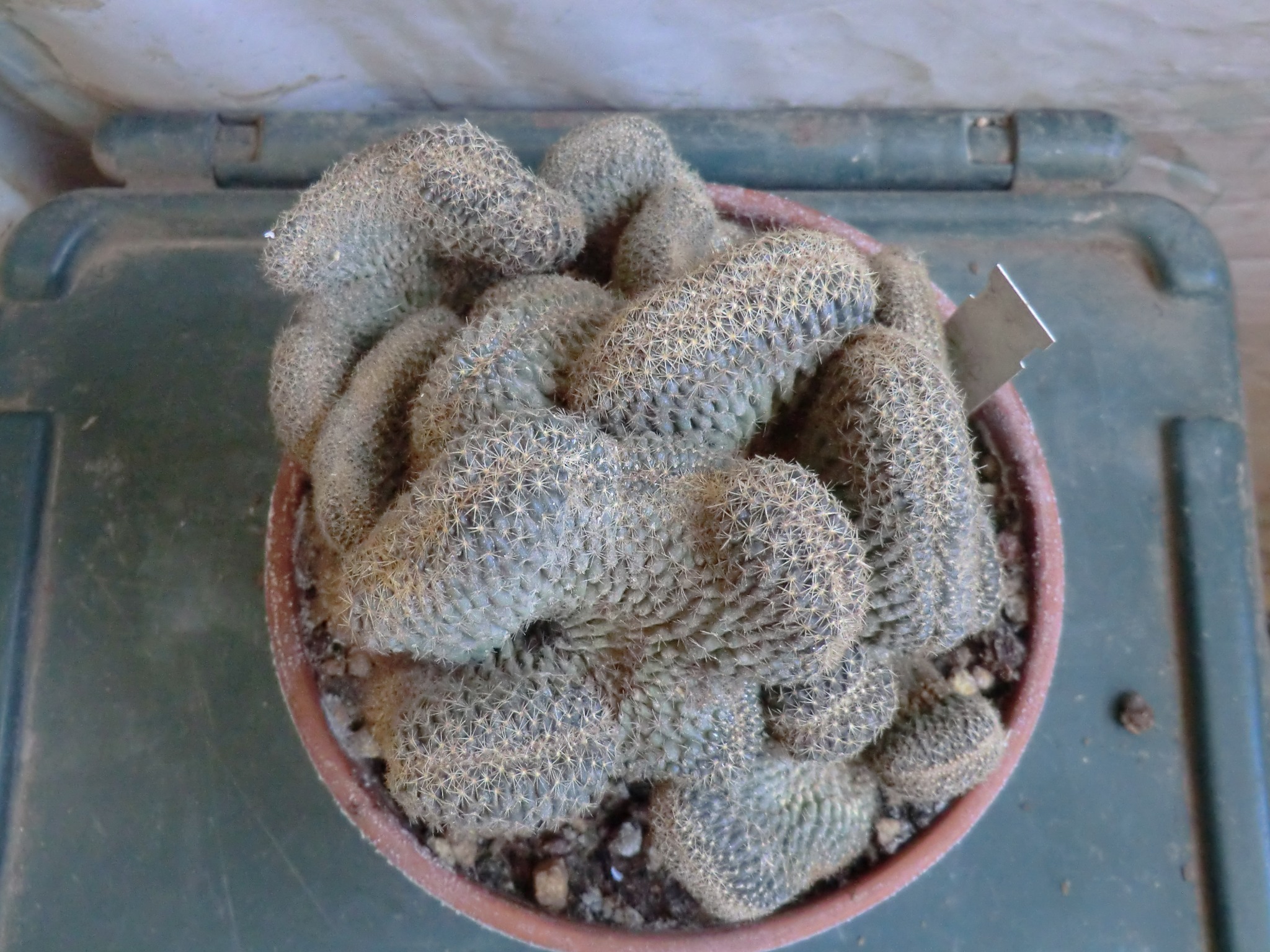
Echinopsis pachanoi (cristate) ranks #2 of the 3 Echinopsis species on this index: wild-habitat rarity 3 out of 10, cultivation rarity 6.5, IUCN status Least Concern at species level. Peru and Ecuador. The crested form of San Pedro, a rare naturally occurring mutation producing fan-shaped growth. Cristate Echinopsis of any species command strong collector premiums. Well-grown specimens are scarce.
Score
3
Parent species common. Cristate form is a rare mutation.
Score
6.5
Large impressive specimens scarce. Smaller examples more available.
$$$
#3
Echinopsis chamaecereus (variegated)
Species Least Concern · IUCN Red List
Echinopsis chamaecereus (variegated) ranks #3 of the 3 Echinopsis species on this index: wild-habitat rarity 2 out of 10, cultivation rarity 4.5, IUCN status Least Concern at species level. Argentina. The variegated form of the peanut cactus, chlorophyll-deficient mutations producing yellow and cream sectored growth. Must be grafted to survive. Collector interest driven by unusual appearance.
Score
2
Parent species common. Variegated form is a cultivated mutation.
Score
4.5
Available from specialist nurseries. Requires grafting to persist.
$$
Turbinicarpus
6 species shown · CITES Appendix I · many Critically Endangered (IUCN)
Turbinicarpus holds 4 ranked species on this index; Turbinicarpus alonsoi ranks first, with a wild-habitat rarity score of 9.6 out of 10, and all 4 carry an IUCN threatened category.
#1
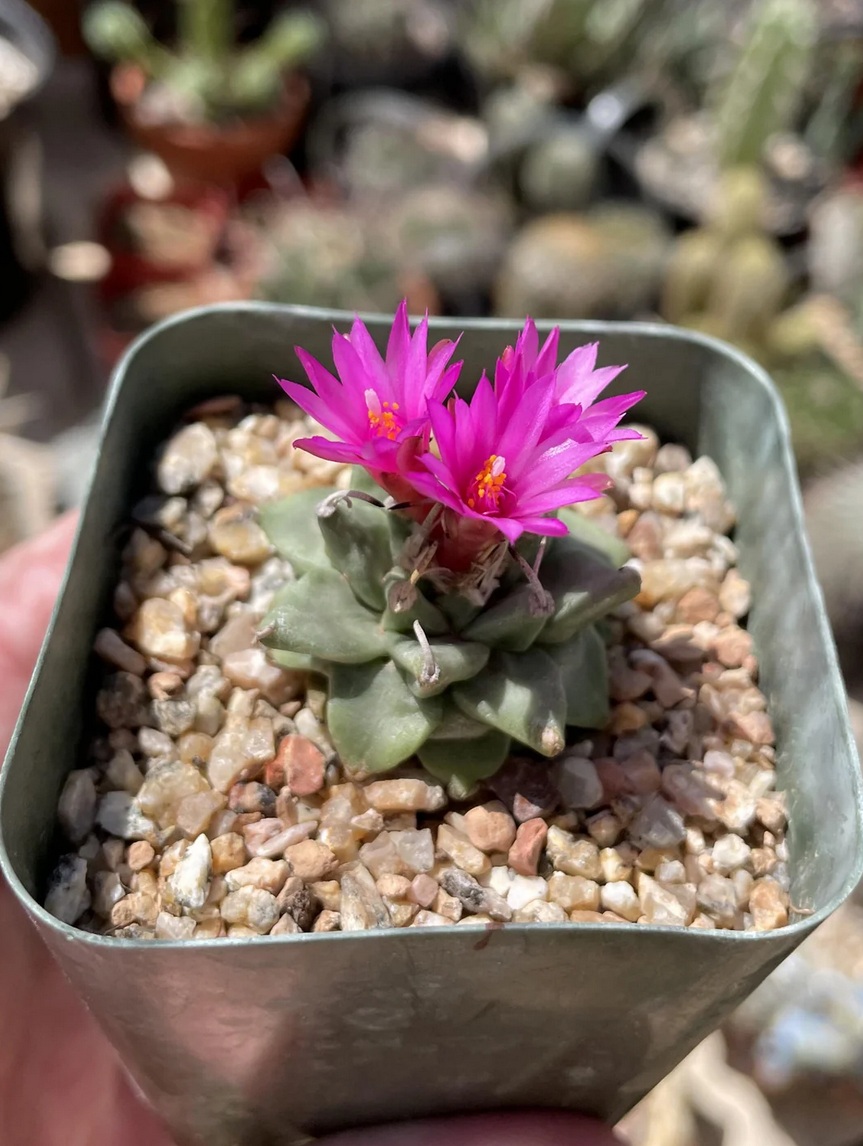
Turbinicarpus alonsoi
Critically Endangered
#2
Turbinicarpus valdezianus
Critically Endangered
#3
Turbinicarpus boedekerianus
Critically Endangered
#4
Turbinicarpus lophophoroides
Critically Endangered
#5
Turbinicarpus pseudomacrochele subsp. krainzianus
Critically Endangered
#6
Turbinicarpus saueri
Endangered
#
Species + origin
Wild rarity
Cultivation rarity
Price
#1
Turbinicarpus alonsoi
Critically Endangered · IUCN Red List
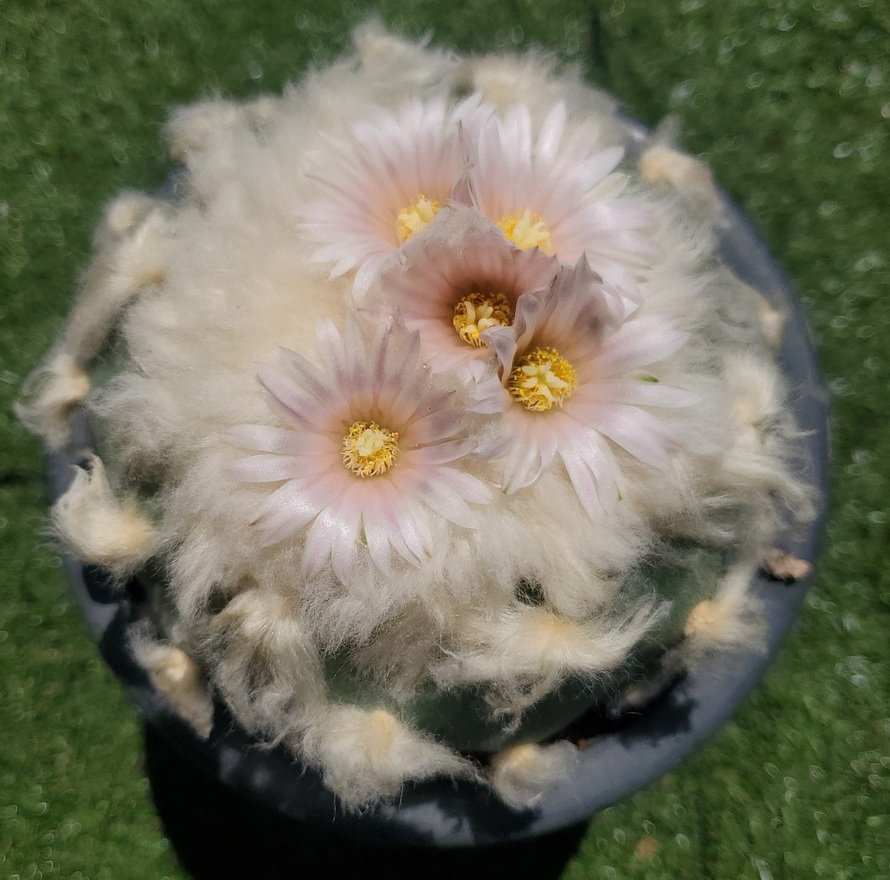
Turbinicarpus alonsoi ranks #1 of the 4 Turbinicarpus species on this index: wild-habitat rarity 9.6 out of 10, cultivation rarity 7.2, IUCN status Critically Endangered. Xichu, Guanajuato. Single known location. Estimated 500–2,000 wild individuals. Vivid pink flowers large relative to body size. Described 1996.
Score
9.6
500–2,000 estimated. One location only.
Score
7.2
Seed-grown available but uncommon.
$$$
#2
Turbinicarpus valdezianus
Critically Endangered · IUCN Red List
Turbinicarpus valdezianus ranks #2 of the 4 Turbinicarpus species on this index: wild-habitat rarity 9 out of 10, cultivation rarity 6, IUCN status Critically Endangered. Coahuila, Mexico. Estimated 1,000–3,000 wild individuals. One of the smallest Turbinicarpus. Feathery pectinate spines cover the body completely.
Score
9
1,000–3,000 estimated. Limestone specialist.
Score
6
Available from specialist European nurseries.
$$
#3
Turbinicarpus boedekerianus
Critically Endangered · IUCN Red List
Turbinicarpus boedekerianus ranks #3 of the 4 Turbinicarpus species on this index: wild-habitat rarity 8.8 out of 10, cultivation rarity 5.8, IUCN status Critically Endangered. San Luis Potosí, Mexico. Estimated 1,500–4,000 wild individuals. Distinctive flat-topped body with woolly crown. Very restricted range on limestone.
Score
8.8
1,500–4,000 estimated. Restricted San Luis Potosí range.
Score
5.8
Occasional specialist availability.
$$
#4
Turbinicarpus lophophoroides
Critically Endangered · IUCN Red List
Turbinicarpus lophophoroides ranks #4 of the 4 Turbinicarpus species on this index: wild-habitat rarity 8.7 out of 10, cultivation rarity 5.5, IUCN status Critically Endangered. San Luis Potosí, Mexico. Estimated 2,000–5,000 wild individuals. Spineless adult body resembles Lophophora, distinct from all other Turbinicarpus. Very limited range.
Score
8.7
2,000–5,000 estimated. Very limited range.
Score
5.5
Occasionally available from specialist sources.
$$
Aztekium
2 species · CITES Appendix I · all Critically Endangered (IUCN)
Aztekium holds 2 ranked species on this index; Aztekium ritteri ranks first, with a wild-habitat rarity score of 9 out of 10, and all 2 carry an IUCN threatened category.
#1
Aztekium ritteri
Critically Endangered
#2
Aztekium hintonii
Critically Endangered
#
Species + origin
Wild rarity
Cultivation rarity
Price
#1
Aztekium ritteri
Critically Endangered · IUCN Red List
Aztekium ritteri ranks #1 of the 2 Aztekium species on this index: wild-habitat rarity 9 out of 10, cultivation rarity 6, IUCN status Critically Endangered. Rayones, Nuevo León. Gypsum canyon walls. Estimated 5,000–10,000 wild individuals. 7–10 years to flowering from seed.
Score
9
5,000–10,000 estimated. Few canyon systems.
Score
6
Available grafted. Seed grown adults scarce.
$$$
#2
Aztekium hintonii
Critically Endangered · IUCN Red List
Aztekium hintonii ranks #2 of the 2 Aztekium species on this index: wild-habitat rarity 8.5 out of 10, cultivation rarity 4.5, IUCN status Critically Endangered. Galeana, Nuevo León. Gypsum substrate only. Estimated 2,000–6,000 wild individuals. Larger and faster-growing than A. ritteri.
Score
8.5
2,000–6,000 estimated. Gypsum specialist.
Score
4.5
Seed-grown plants circulate in EU and US.
$$
Ferocactus
3 species shown · CITES Appendix II · rarest species shown
Ferocactus holds 3 ranked species on this index; Ferocactus viridescens ranks first, with a wild-habitat rarity score of 7.2 out of 10, and 2 of the 3 carry an IUCN threatened category.
#1
Ferocactus viridescens
Vulnerable
#2
Ferocactus acanthodes subsp. acanthodes
Near Threatened
#3
Ferocactus glaucescens
Least Concern
#
Species + origin
Wild rarity
Cultivation rarity
Price
#1
Ferocactus viridescens
Vulnerable · IUCN Red List · Rare in California (CNPS)
Ferocactus viridescens ranks #1 of the 3 Ferocactus species on this index: wild-habitat rarity 7.2 out of 10, cultivation rarity 3.5, IUCN status Vulnerable. San Diego County, California and Baja California. One of the most geographically restricted Ferocactus. Threatened by coastal development and urbanisation in California. Listed as rare and threatened by the California Native Plant Society.
Score
7.2
Restricted coastal San Diego and Baja range. Urbanisation threat.
Score
3.5
Available from specialist sources. More findable than rarity suggests.
$$
#2
Ferocactus acanthodes subsp. acanthodes
Near Threatened · IUCN Red List
Ferocactus acanthodes subsp. acanthodes ranks #2 of the 3 Ferocactus species on this index: wild-habitat rarity 5.5 out of 10, cultivation rarity 2.5, IUCN status Near Threatened. Mojave and Colorado Deserts, California, Arizona and Baja. Threatened by illegal collection and habitat clearance for solar and wind development. Sculptural form and striking spines make it highly sought by collectors.
Score
5.5
Near Threatened. Declining from renewable energy development.
Score
2.5
Widely available. Commonly grown as a specimen plant.
$
#3
Ferocactus glaucescens
Least Concern · IUCN Red List
Ferocactus glaucescens ranks #3 of the 3 Ferocactus species on this index: wild-habitat rarity 4 out of 10, cultivation rarity 2, IUCN status Least Concern. Hidalgo, Mexico. Distinctive blue-grey body with yellow spines. One of the most attractive Ferocactus for collectors. Restricted to limestone hills in central Mexico. Large mature specimens are impressive.
Score
4
Least Concern but restricted Mexican range.
Score
2
Widely available. Very popular in cultivation.
$
Gymnocalycium
3 species shown · CITES Appendix II · collector value in rare forms and variegates
Gymnocalycium holds 3 ranked species on this index; Gymnocalycium horstii subsp. buenekeri ranks first, with a wild-habitat rarity score of 6.8 out of 10, and 2 of the 3 carry an IUCN threatened category.
#1
Gymnocalycium horstii subsp. buenekeri
Vulnerable
#2
Gymnocalycium horstii
Vulnerable
#3
Gymnocalycium mihanovichii (variegated)
Species: Least Concern
#
Species + origin
Wild rarity
Cultivation rarity
Price
#1
Gymnocalycium horstii subsp. buenekeri
Vulnerable · IUCN Red List
Gymnocalycium horstii subsp. buenekeri ranks #1 of the 3 Gymnocalycium species on this index: wild-habitat rarity 6.8 out of 10, cultivation rarity 5.5, IUCN status Vulnerable. Rio Grande do Sul, Brazil. Very restricted range in rocky grassland. One of the rarest Gymnocalycium species in the wild. Smaller and slower-growing than most of the genus. Sought by collectors for its restricted provenance.
Score
6.8
Vulnerable. Very restricted Brazilian range.
Score
5.5
Uncommon in trade. Specialist sources required.
$$
#2
Gymnocalycium horstii
Vulnerable · IUCN Red List
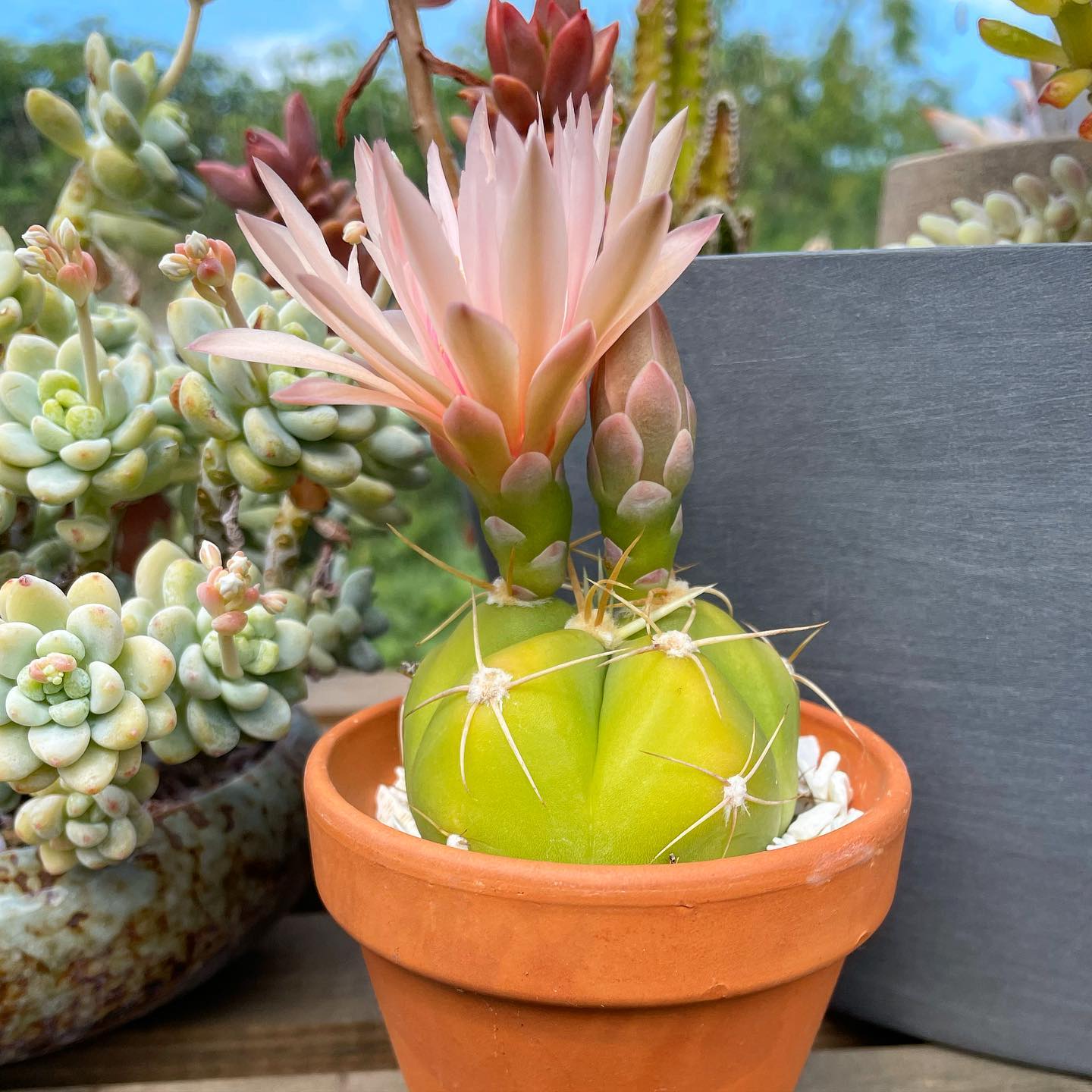
Gymnocalycium horstii ranks #2 of the 3 Gymnocalycium species on this index: wild-habitat rarity 6.2 out of 10, cultivation rarity 4, IUCN status Vulnerable. Rio Grande do Sul, Brazil. Large flat-bodied Gymnocalycium with showy pink flowers. Threatened by habitat loss from agriculture and urbanisation. One of the larger species in the genus.
Score
6.2
Vulnerable. Declining from habitat loss.
Score
4
Available from specialist sources. Large attractive plants.
$$
#3
Gymnocalycium mihanovichii (variegated)
Species Least Concern · IUCN Red List
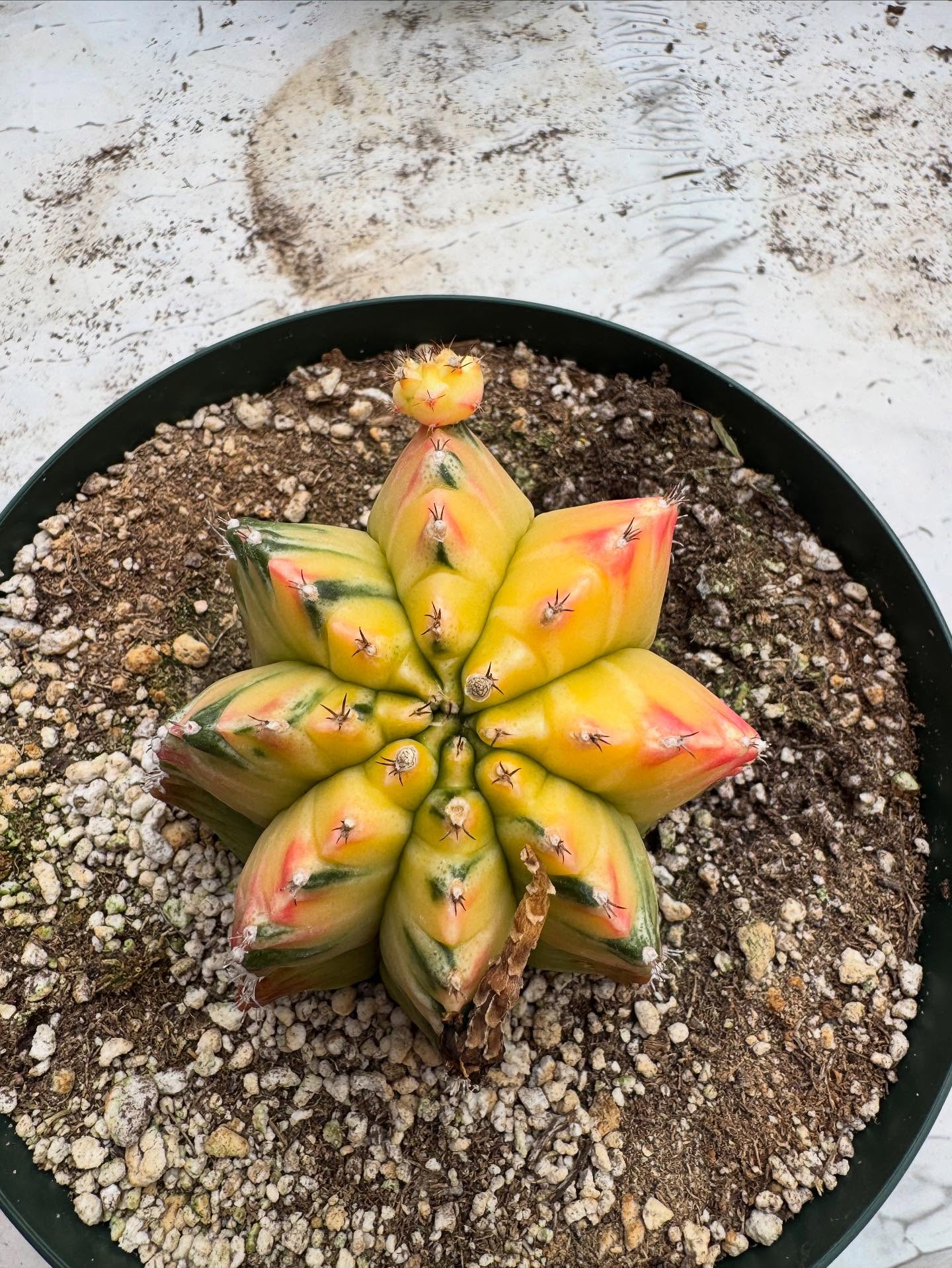
Gymnocalycium mihanovichii (variegated) ranks #3 of the 3 Gymnocalycium species on this index: wild-habitat rarity 2.5 out of 10, cultivation rarity 7, IUCN status Least Concern at species level. Paraguay and Argentina. The true variegated form, sectored yellow and green mutations that retain chlorophyll and survive ungrafted, unlike the chlorophyll-free moon cactus cultivars. Rare in cultivation. High collector value.
Score
2.5
Parent species common. True variegated form is a rare mutation.
Score
7
True seed grown variegates are scarce. High collector demand.
$$$
Rankings run #1 to #N within each genus, with #1 being the rarest species by wild habitat score. Population estimates derived from IUCN Red List species assessments, US Fish and Wildlife Service recovery plans, and published conservation biology research. Cultivation rarity reflects seed availability, frequency of appearance in specialist trade, and time required to acquire a quality specimen. Prices reflect mature seed-grown specimen cost in specialist trade as of 2026 and will vary by source, size, and provenance documentation. Rankings updated as new assessments are published.