
Cactus Care for Plants That Are Actually Rare
Most cactus care advice was written for plants that were never rare. It assumes a nursery hybrid in a peat mix on a warm windowsill, and it falls apart the first time you use it on a slow, taprooted species from high altitude that wants a hard winter and almost no nitrogen.
These guides cover the other kind of plant. At rarecactus.com we grow all eight of the genera below from seed, in the same mineral mix and through the same unheated winter, so the numbers on these pages come from plants we water and repot ourselves, not from a supplier’s care card. Where a genus breaks the general rule, we say so, and we say why.
Start with the three guides that decide most outcomes. If you already know which plant you are growing, go straight to its genus guide; if you only know the symptom, the diagnosis list will reach the right page faster than browsing will.
Start here
Get these three right and the genus-specific detail matters far less than you would think.
Start with the mix
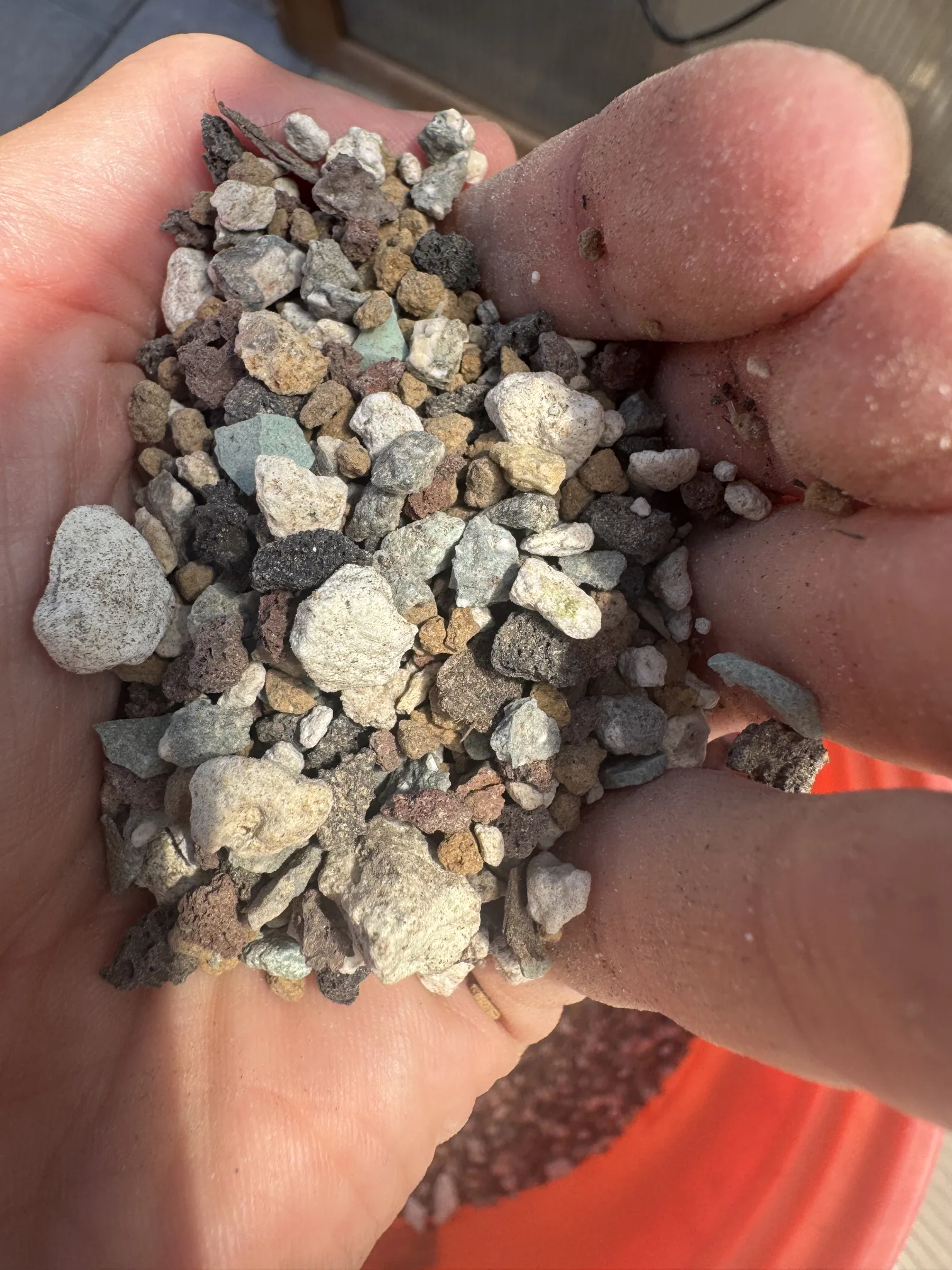
The Best Cactus Soil: A Mineral Mix Recipe
The mix we actually pot into, ingredient by ingredient, with the ratios and the reasoning. No peat, no perlite, no coarse builder’s sand.

Which plant are you growing?
Eight genus guides, each written against plants in our own collection. Every one names where it departs from the general rules above.
Something already looks wrong
Pick the symptom you can actually see. Each one opens on the answer rather than making you read to find it.
Where you are in the year
Cactus care is a calendar before it is a technique. Most of what kills a rare plant is the right action taken in the wrong month.
October. Wind down. Cut water hard and move everything to its brightest position.
Overwintering and dormancy →Northern hemisphere, and written for desert cacti. Winter-growing mesembs such as Lithops run this calendar in reverse, which their guide covers.
Every care guide
All 26, filterable by topic.

Watering
How Often to Water a Cactus (Not on a Schedule)
How often to water a cactus depends on the mix, the pot, the light, and the temperature, never on a…

Pests & problems
Early Signs of Mealybugs: Catch Them Before the Outbreak
The early signs of mealybugs are white cottony flecks in sheltered crevices, sticky honeydew, and ants working the plant. How…

Pests & problems
Early Signs of Spider Mites: Catch Them Before the Webbing
The early signs of spider mites are fine pale stippling, a dulled bronze cast, and moving dust on a white-paper…

By genus
Hedgehog Cactus Care: The Collector’s Guide to Echinocereus
Hedgehog cactus care rests on strong sun, a lean mineral mix, and a cold, bone-dry winter rest that sets the…
Identification
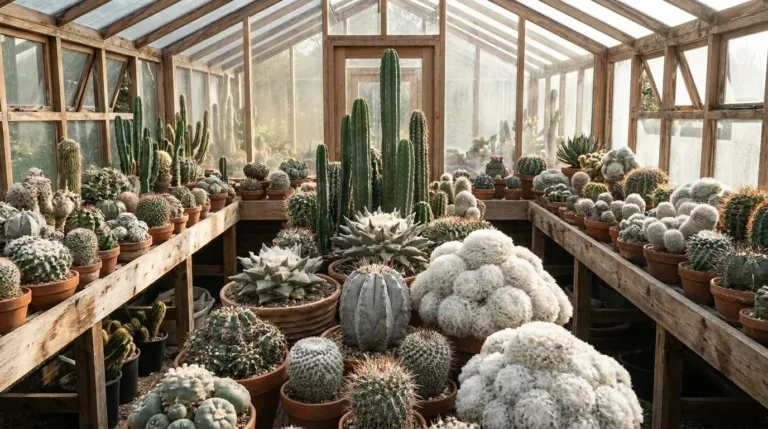
Types of Cactus: A Collector’s Care & ID Guide
The collector’s guide to cactus types, grouped by growth form with the light, water, and soil-ratio care each one needs:…
Propagation
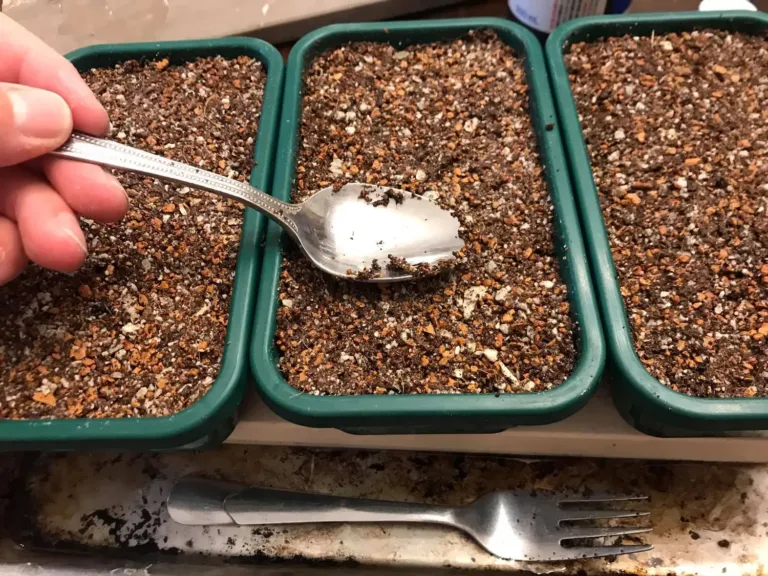
How to Grow Cactus From Seed
Most rare cactus takes four to ten years from seed to a saleable plant. Our greenhouse method, the right germination…

By genus
Aztekium Care: How to Grow the Slowest Cactus on Earth
Aztekium care needs bright shade, a sharply drained alkaline mineral mix, and a bone-dry winter. These Nuevo Leon cliff cacti…

By genus
Pseudolithos Care: The Collector’s Guide to Stone Plants
Pseudolithos care turns on one rule: water only when warm. These stone-mimic stapeliads from the Horn of Africa rot within…

Pests & problems
Why Is My Cactus Turning Yellow? A Diagnostic Guide
A cactus turns yellow for one of a few reasons, and where the yellow sits tells you which. Yellow and…

Pests & problems
Why Is My Cactus Turning Brown? Sunburn, Corking, and Rot Explained
A cactus turns brown for five main reasons, and one quick test sorts the harmless from the deadly: press it.…

Repotting
How to Repot a Cactus Without Getting Stabbed: A Step-by-Step Guide
Repot a cactus the safe way: work with a dry rootball, lift it with a folded newspaper collar, trim any…

Feeding
Cactus Fertilizer: What to Use, When, and How Much
Cacti need little feed: a low-nitrogen, higher-phosphorus fertilizer at quarter to half strength, in the growing season only, once or…

Pests & problems
Cactus Pests: How to Identify and Treat Mealybugs, Spider Mites, and Scale
The pests that kill collector cacti are mealybugs, spider mites, and scale, plus the hidden root mealybug most guides miss.…

Pests & problems
Cactus Etiolation: Why Cacti Stretch and How to Fix It
Cactus etiolation is the permanent stretched, pale growth a cactus puts on in too little light. Stretched tissue never re-thickens,…

Seasonal
Cactus Winter Care: How Dormancy Works and How to Overwinter Cacti
Cactus winter care comes down to three things: cold, dry, and bright. Most desert cacti go dormant in winter and…

By genus
Astrophytum Care: Growing the Star Cactus
Astrophytum care means a mineral, calcium-rich substrate, strong light, and a completely dry winter rest. The genus holds six star-ribbed…

Seasonal
How to Get a Cactus to Flower: Dormancy and Bloom Triggers by Genus
A cool, dry, bright winter rest is what makes most cacti flower. This guide explains the dormancy trigger, the minimum…

By genus
Mammillaria Care: Growing the Pincushion Cactus
Mammillaria care is the most beginner-friendly in the cactus world: a gritty mineral mix, full sun, and a cool dry…

By genus
Gymnocalycium Care: Growing the Chin Cactus
Gymnocalycium is the most shade-tolerant cactus genus, but it is shallow-rooted and rot-prone, not bulletproof. A care guide to the…

By genus
Ariocarpus Care: The Collector’s Guide to Living Rocks
Ariocarpus care demands a calcium-rich mineral substrate, a hard winter drought, and patience: most seed grown plants take a decade…

Pests & problems
Cactus Root Rot: How to Identify, Treat, and Prevent It
Cactus root rot is caused by water molds, fungi, or bacteria that attack wet roots and collapse the plant from…

Propagation
How to Propagate Cactus: Seed, Cutting & Graft Guide
Three methods, three timelines: cactus propagation by seed, cutting, or graft. The complete pillar with rootstock rankings, the Pereskiopsis seedling-graft…

By genus
Lithops Care: The Inverted Watering Guide
Lithops care flips cactus rules: these living stones grow in autumn and winter, not summer. The complete guide to the…

Soil
The Best Cactus Soil: A Mineral Mix Recipe for Rare Cacti
The best cactus soil is roughly 90 percent mineral and 10 percent organic. A DIY cactus soil mix recipe (pumice,…

Soil
Why Miracle-Gro Cactus Soil Kills Rare Cacti (And What Collectors Use Instead)
Miracle-Gro Cactus, Palm and Citrus soil kills rare cacti because the bag is 70-80% peat moss, perlite, and bark fines.…

Pests & problems
Why Is My Cactus Dying? Diagnose It Root to Crown
A diagnostic flowchart for the six visible failure modes that kill cacti in cultivation, the rare-genus rot vulnerabilities most generic…
Looking for the botanical record?
The encyclopedia carries accepted names, synonyms, conservation status, habitat and field-number provenance for every taxon we cover.
Browse the encyclopedia