
The Best Cactus Soil: A Mineral Mix Recipe for Rare Cacti
All ArticlesThe best cactus soil is about 90 percent mineral and 10 percent organic by volume: pumice, lava rock, zeolite, granite grit, and a little crushed limestone, with worm castings as the only organic part. At rarecactus.com we grow every seedling in this mix. A damp handful should crumble, never hold a ball.
What is the best soil for cactus?
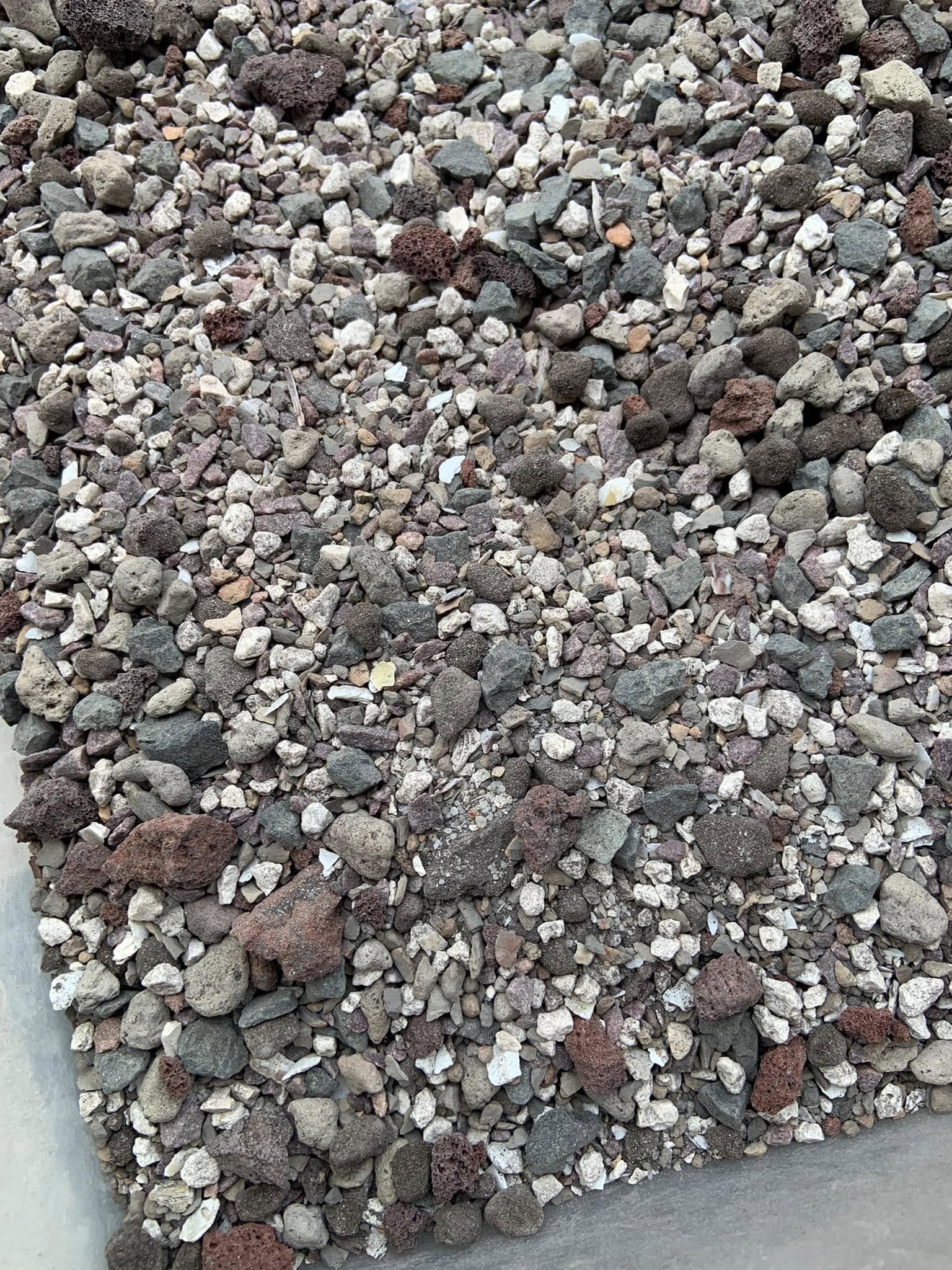
The best soil for cactus is a mineral mix that drains within minutes of a deep soak and rebuilds its air space within hours. That means roughly 90 percent inorganic grit and 10 percent organic matter, not the peat-and-perlite blend sold in most bags. Every rare cactus genus evolved on dry mineral ground, whether that ground was Chihuahuan limestone, Atacama coastal grit, or Andean scree, and the pot has to copy it. The right mix shifts a little by group, so it helps to know how to care for each type of cactus.
There is a single field test that settles the question. Wet the mix to evenly damp, squeeze a handful, then open your hand and prod the lump. Correct cactus soil falls apart. The particles drop between your fingers. If it holds a ball under pressure, it carries too much organic content and too little grit, and roots will sit wet long enough to rot. Everything else is detail in service of one outcome: water in, water through, air back fast.
What is a cactus mix, and why does bagged cactus potting soil fail?
A cactus mix is a fast-draining, mostly mineral potting medium built for plants that store their own water and resent wet roots. The phrase covers both the bagged “cactus and succulent” products on a garden-center shelf and the grittier blends collectors mix themselves. The two are not the same thing, and the gap is why so many cacti die in their first year indoors.
Bagged cactus potting soil is usually peat or coir with a handful of perlite stirred in. It looks open in the bag. In the pot it behaves like a sponge. Peat holds water against roots that evolved on scree, oxygen in the root zone drops below the level the plant needs to respire, and rot follows. The decay is invisible until the cactus topples or the base softens to mush. The full autopsy on bagged mixes goes product by product.
The number that explains the failure is pore space. A healthy cactus root zone needs roughly 30 percent gas-filled pore space at the moment of watering. A correctly built mineral mix hits 35 to 45 percent. Peat-based bag soil drops to 5 to 15 percent after a few watering cycles, well under the floor at which roots can breathe. Get the porosity right and cactus care gets simpler. Get it wrong and no amount of careful watering rescues a plant that is already drowning.
What goes in a cactus soil mix?
A collector cactus soil mix is built from seven components, six of them mineral and one organic, in proportions that shift by species. The mineral fraction does the structural work; the organic fraction, capped low, feeds the plant slowly without collapsing the pore space.
At rarecactus.com we mix our substrate in fifty-litre batches and grow every seedling in it from the first prick-out, because a plant that has never sat in wet peat never has to recover from it. The seven components are the same ones every recipe on this site is drawn from:
| Component | Role | Typical share |
|---|---|---|
| Pumice (sifted) | Primary aggregate; drains instantly, holds moisture inside the granule | 30-40% |
| Lava rock (scoria) | Heavier aggregate; aerates the base of deep pots | 15-30% |
| Granite grit (or decomposed granite, sifted) | Sharp drainage, slow trace minerals | 15-25% |
| Crushed limestone | Alkalinity by grower convention, not species need; hard tap water already supplies calcium and bicarbonate, while rainwater and RO water supply neither | 0-25% |
| Zeolite (clinoptilolite) | Cation exchange, slow-release nutrient buffer, holds pH near 7 | ~10% |
| Horticultural silica (1-3 mm quartz grit) | Sharp drainage insurance; swaps in for part of the granite | 0-15% |
| Organic (worm castings) | Slow nitrogen, microbes, fungal partners | 5-10% |
Any column can read zero for a given species, but the framework stays constant, which keeps every per-genus recipe comparable. Worm castings are the organic of choice over compost or coir: low salt, no pathogens, and they break down slowly instead of slumping the mix.
Two things are deliberately missing. No perlite, which floats, washes out, and does nothing in the root zone that pumice does not do better. No peat, construction sand, akadama, or Turface, all of which collapse, compact, or turn to paste once they are wet.
Pumice (sifted)
Volcanic glass with 64-85% internal porosity. It drains instantly while holding moisture inside the granule rather than against the root surface. 1-6mm grades work for most cactus pots; sift to remove fines before mixing.
Buy on Amazon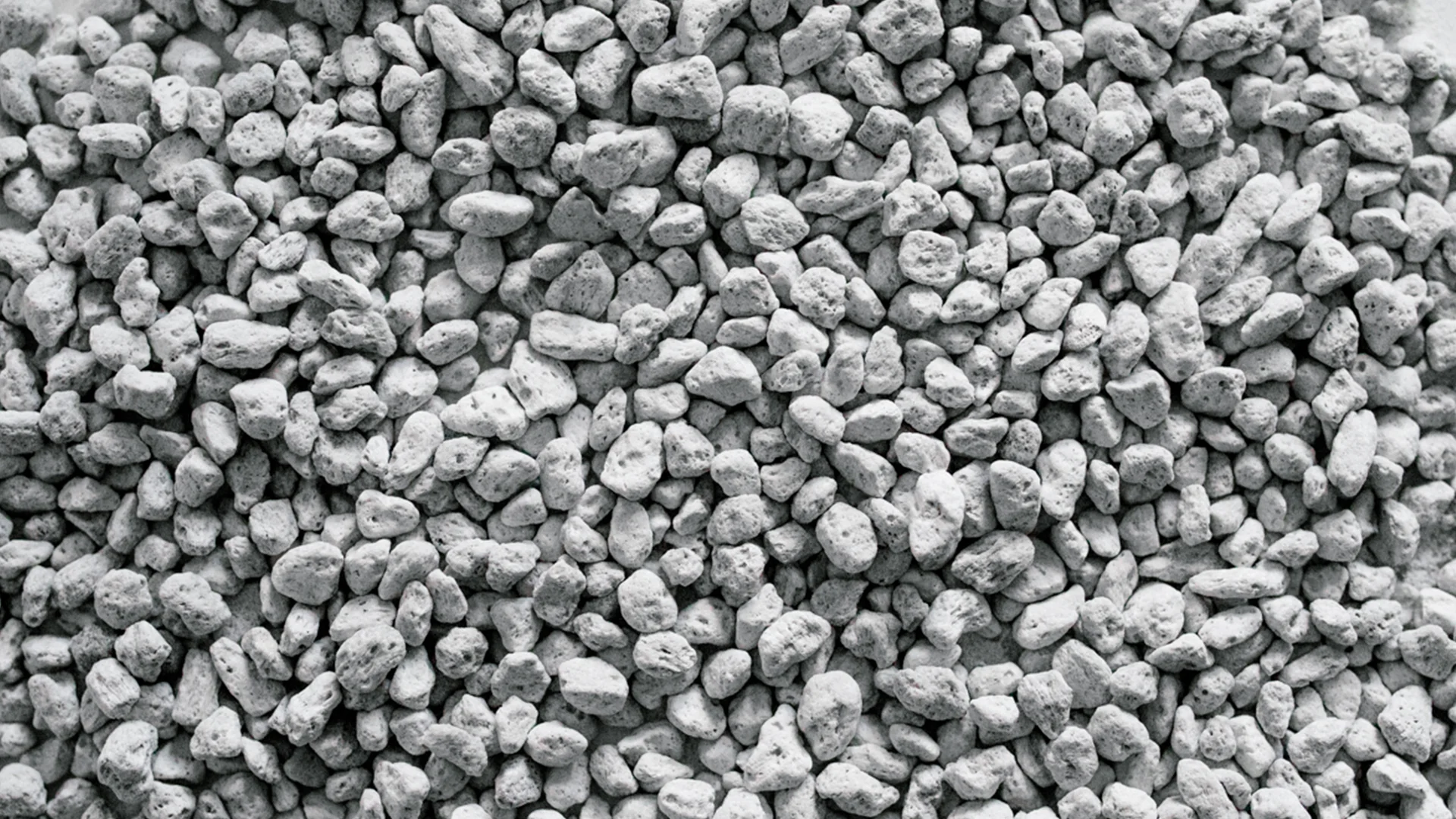
Lava rock (scoria)
Heavier than pumice, with internal cavities that hold a small amount of water and aerate the bottom of deep pots. The 5-10mm grade is the right pick for tall containers and deep-rooted columnar plants. Red and black scoria are functionally identical.
Buy on Amazon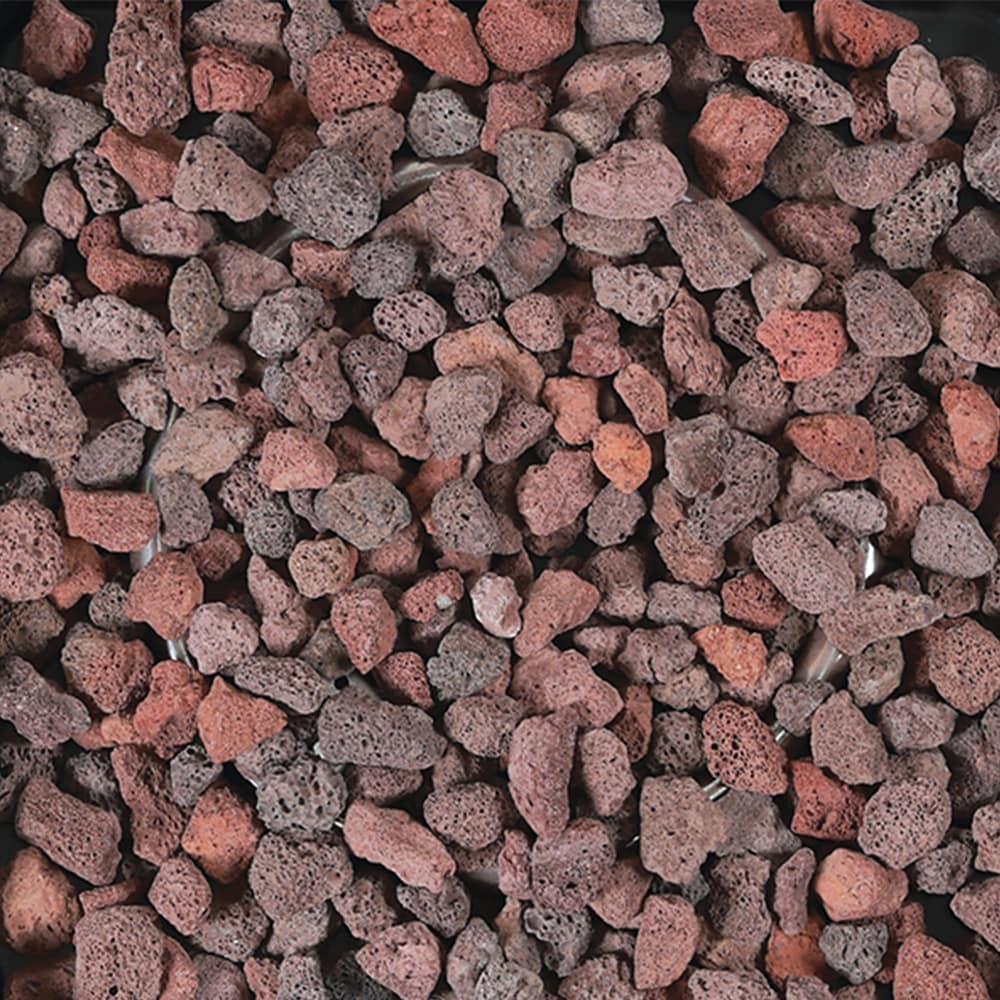
Zeolite (clinoptilolite)
A natural aluminosilicate with cation exchange capacity in the 100-240 meq per 100 gram range, 5-10 times what most other mineral ingredients offer. It holds nutrient ions in a slow-release reservoir and stabilizes pH around 7. 4-6mm chunks, about 10% of total mix volume.
Buy on Amazon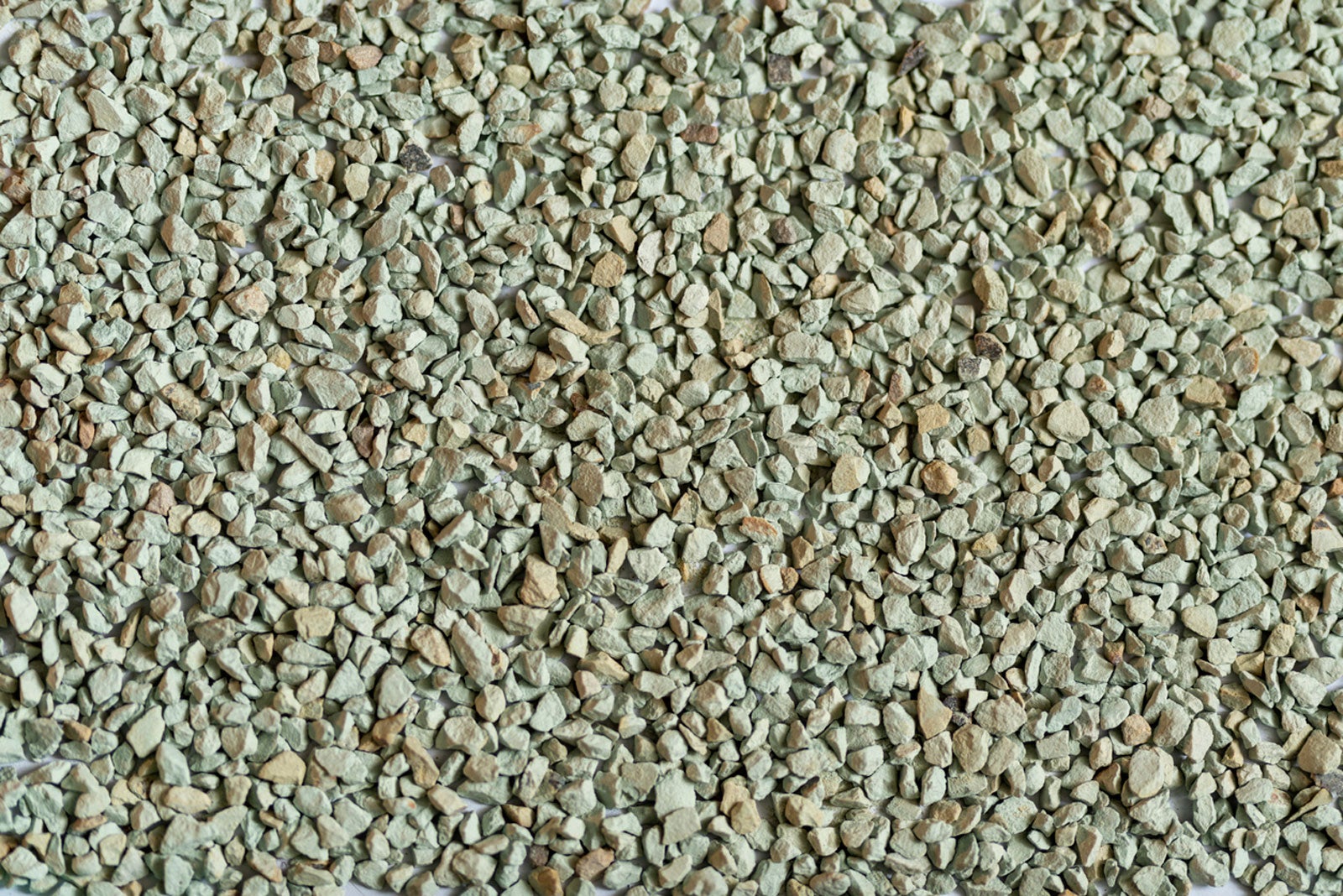
Decomposed granite (sifted)
Sharp drainage and a slow trickle of trace minerals as it weathers. Buy the 1/4-inch minus grade and sift before mixing because the fines will kill drainage if you skip that step. Chicken grit from a feed store is a fines-free alternative.
Buy on Amazon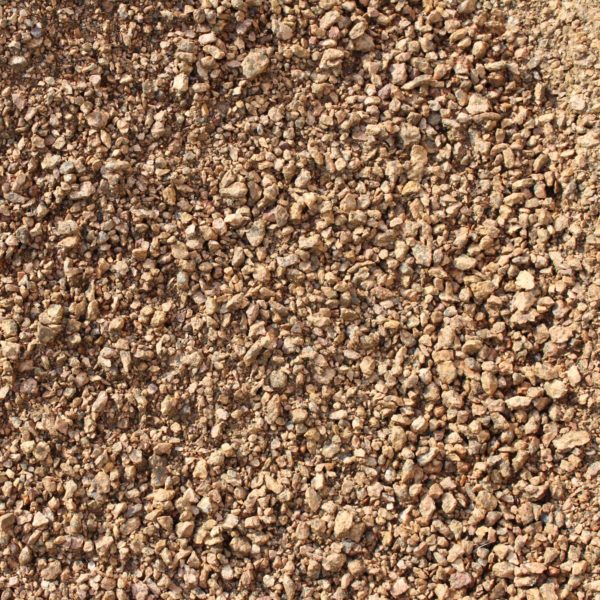
Crushed limestone
For the genera where adding limestone is established grower practice: most Ariocarpus, Lophophora, Aztekium, and many Mammillaria. Limestone is here as house convention, not as a proven species requirement. Hard tap water already supplies calcium and bicarbonate at every watering; rainwater and RO water supply neither. 10% in the universal mix; bump to 15-25% if you want a heavier share of the same house convention. Skip for Copiapoa and other genera with no limestone tradition.
Buy on Amazon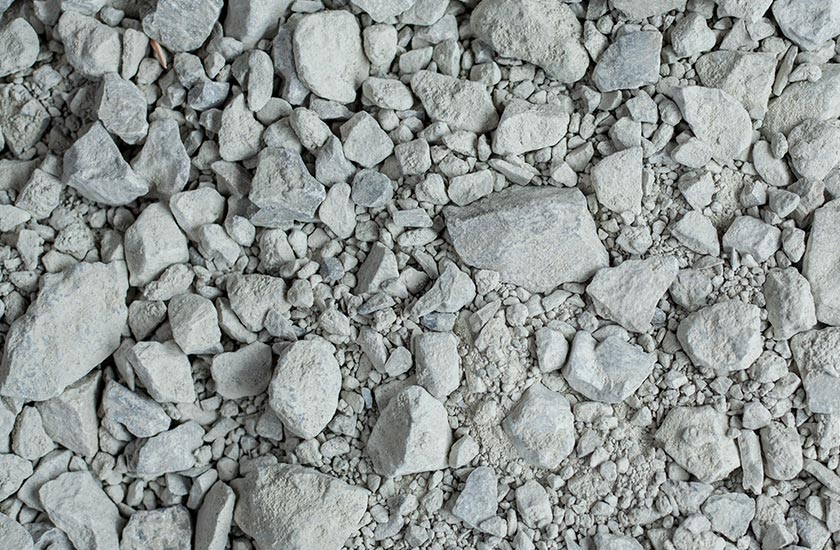
Worm castings
Slow nitrogen, beneficial microbes, and fungal partners that improve root health. Cacti evolved on nitrogen-poor mineral scree do not need a heavy organic load. The 10% cap matters. Worm castings are cleaner than sterilized cactus compost or coir: low salt, no pathogens, and they break down slowly rather than collapsing the mix.
Buy on Amazon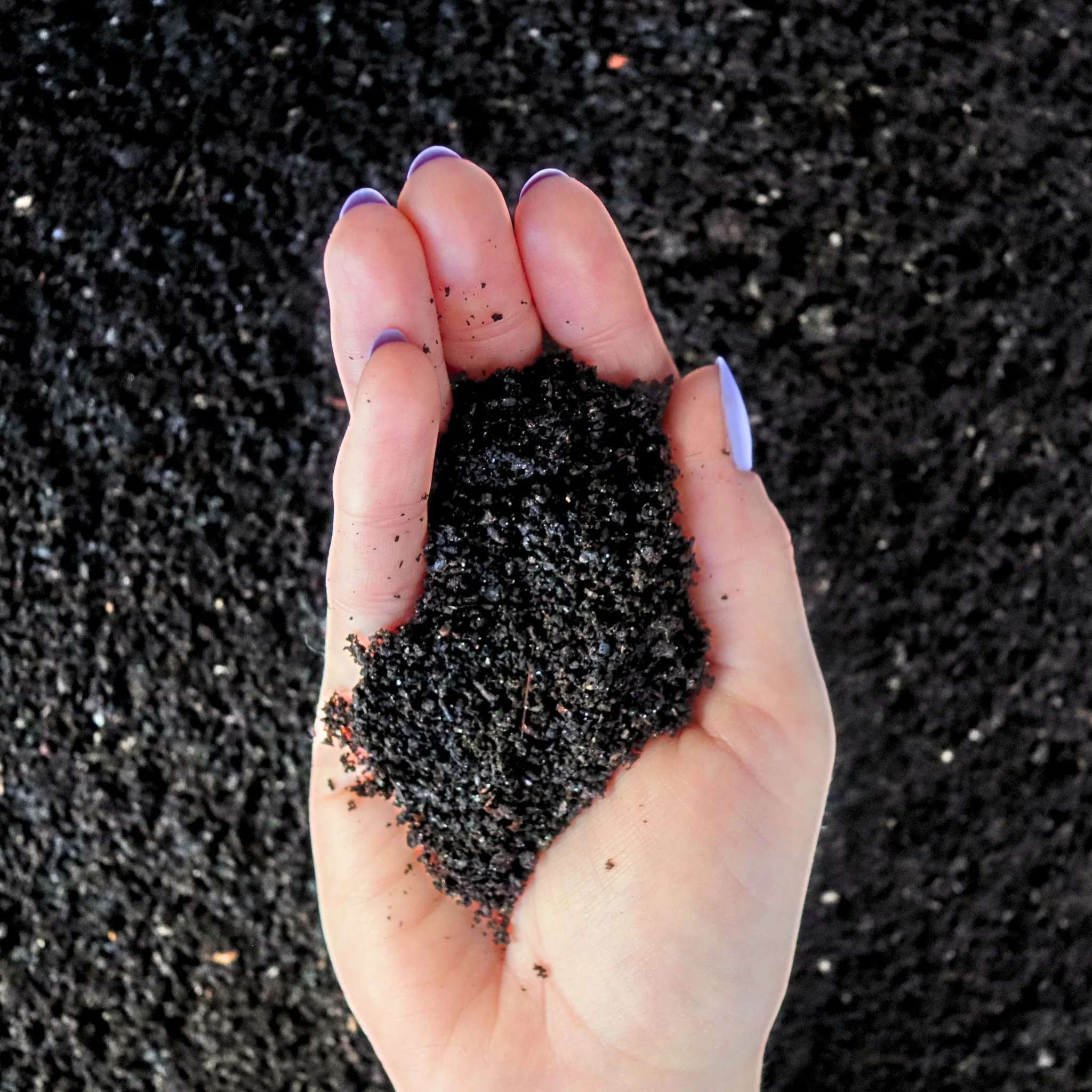
How do you make cactus soil at home?
To make cactus soil at home, combine six ingredients to total 100 percent by volume, mix them dry in a clean tub, and store the surplus sealed and out of the rain. This universal recipe is the default for the rare cacti most collectors grow; tune from it rather than reinvent per plant.
The universal rare-cactus mix (start here):
- 35% pumice
- 20% lava rock
- 15% decomposed granite (sifted)
- 10% zeolite
- 10% crushed limestone
- 10% worm castings
That split is 90 percent mineral, 10 percent organic. It suits Lophophora, Ariocarpus, Aztekium, Astrophytum, and most Mammillaria without further thought. Bump the limestone to 15 to 25 percent if you want a heavier share; drop it to zero for Copiapoa and other genera with no limestone tradition. Either way the limestone share is house convention. If you water from a hard tap, every watering already brings calcium and bicarbonate; rainwater and RO water bring none. Horticultural silica grit at 1 to 3 mm can stand in for part of the decomposed granite if your granite source carries too many fines.
Sift before you mix. Unsifted granite carries dust that migrates down and seals the bottom of the pot, undoing the drainage the recipe is built to create. Chicken grit from a feed store is a fines-free shortcut if sifting is a chore.
What ratio works for Ariocarpus, Lophophora, Astrophytum, and Copiapoa?
The per-genus ratio only shifts which minerals dominate the inorganic 90 percent; the overall 90/10 split holds. Match the mix to the rock the plant evolved on, then adjust for your climate.
Ariocarpus, Lophophora, Aztekium (geophytes): 35% pumice, 20% lava rock, 10% zeolite, 15% decomposed granite, 10% crushed limestone, 10% worm castings. These genera carry most of their mass below ground as a tuberous taproot, so the mix has to drain instantly at the surface and stay open six inches down. The limestone is grower convention for Ariocarpus, Lophophora williamsii, and Aztekium, not a proven requirement. On hard tap water these plants already get calcium and bicarbonate at every watering; on rainwater or RO water they get neither. Use a deep pot even for a small plant.
Astrophytum: 35% pumice, 20% lava rock, 10% zeolite, 25% decomposed granite, 10% worm castings. Astrophytum evolved on mixed alluvial valley soils rather than pure limestone, so skip the crushed limestone and let the granite carry a little more of the drainage.
Mammillaria: 35% pumice, 15% lava rock, 10% zeolite, 25% decomposed granite, 5% crushed limestone, 10% worm castings. A wide-ranging genus that mostly tolerates the default with a small limestone fraction. The cloud-forest types want a touch more retention; for those, push worm castings to 15 percent and drop pumice to 30 percent.
Copiapoa: 35% pumice, 30% lava rock, 15% zeolite, 15% decomposed granite, 5% worm castings. Copiapoa lives in the fog-fed Atacama. Leaving out the limestone is house practice, not a sign that the genus avoids lime. The organic drops to 5 percent to match the genus and its rot vulnerability. Repot every three years rather than five.
Columnar plants (San Pedro, Cereus, Pachycereus): 35% pumice, 30% lava rock at 5 to 10 mm, 10% zeolite, 15% decomposed granite, 10% worm castings. Bigger particles, taller pots. The coarse lava handles compaction at the base of a twelve-inch pot where pumice fines would otherwise block drainage.
Then adjust for climate. The 90/10 default suits temperate and Mediterranean growers. In hot, dry, low-humidity air (Phoenix, Las Vegas, inland California), drop to 80/20 or 85/15 so the extra organic buys a longer watering window. In cool, humid, wet conditions (Pacific Northwest, the UK, northern Europe, the southeast US), push to 92/8 or 95/5 so the pot dries faster and the rot risk falls. If you water heavily, cut the organic; if you tend to forget, nudge it up.
Can you use regular potting soil for cactus?
You can use regular potting soil for a cactus only if you cut it hard with grit, and even then it is the weakest option on the bench. Straight potting soil is built to hold water and nutrients for fast-growing leafy plants, which is the opposite of what a desert root system wants. Left undiluted it stays wet for days and starts the rot clock running.
If a bag of potting soil is what you have, the salvage ratio is one part potting soil to three or four parts mineral grit (pumice, lava, and granite). That pulls the blend back toward the mineral side and restores most of the drainage. It still carries more peat than ideal, so water less often and watch how long the pot takes to dry.
The cleaner answer is to skip potting soil as a base and build from pumice up. A bag of cactus and succulent potting mix is a step better than standard potting soil, but most commercial cactus mixes are still peat-heavy and need the same grit correction. The squeeze test sorts any bag in five seconds: if a damp handful holds its shape, it needs grit before a cactus goes anywhere near it.
How do you test a cactus mix?
Two tests confirm a cactus mix is right, and they take minutes. Run both on a fresh batch before you trust it with a plant you care about.
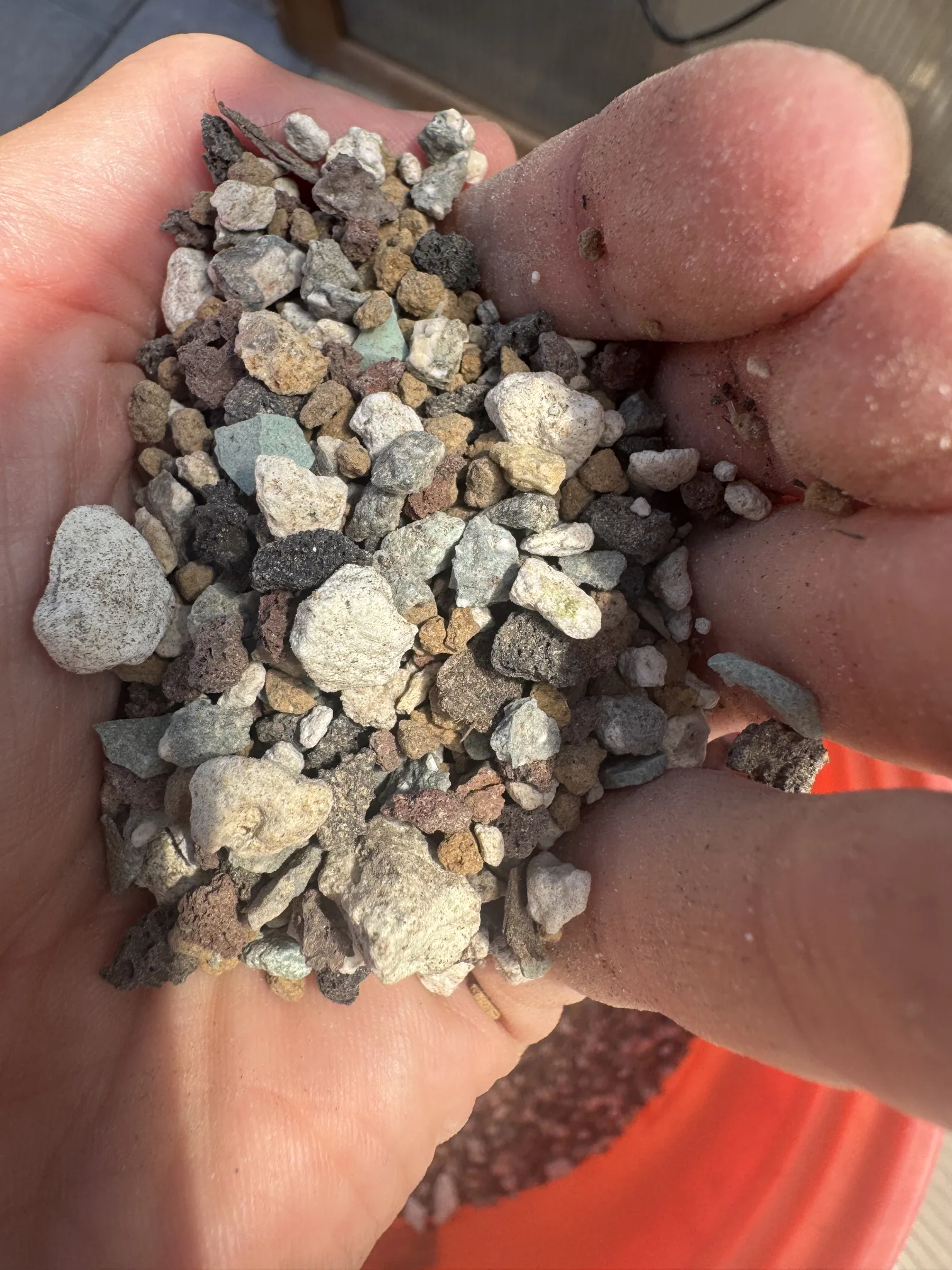
The squeeze test: wet the mix to evenly damp, not soaked. Squeeze a handful firmly, open your hand, and prod the lump. A correct mineral mix breaks apart at once and the particles fall away. If it forms a ball that survives a poke, there is too much organic content, or the granite went in unsifted and the fines are starting to bind.
The dry-down test: water a fresh pot to runoff, weigh it, then weigh it again every twenty-four hours until the weight stops dropping. A correct mineral mix in a four-inch pot under moderate conditions stabilizes in five to seven days. Slower than that and the mix is too retentive. Faster than three days and it may need a little more zeolite or worm castings to hold any water at all.
Both tests sound trivial. They are not. Most failures in this hobby happen where substrate meets water, and getting that line right separates a plant that grows from one that merely survives.
What fertilizer should I use on rare cacti?
Rare cacti from mineral habitats want very little nitrogen and almost no synthetic feed, and the full feeding routine is in our cactus fertilizer guide. The three products below cover the real cultivation needs: a microbial inoculant at repot, a trace-mineral top-dress in spring, and a low-nitrogen liquid during the bloom window. Skip everything else marketed as “cactus food” on the bag soil aisle. None of it is calibrated for plants that evolved on Chihuahuan limestone or Atacama scree.
Real Growers Recharge
Dry mycorrhizae and beneficial microbe blend, mixed into water as an instant compost tea. Triggers the fungal-root partnership cacti rely on in habitat. We use one light feeding at spring repot and one in mid-season; that covers the year for most rare cacti.
Buy on Amazon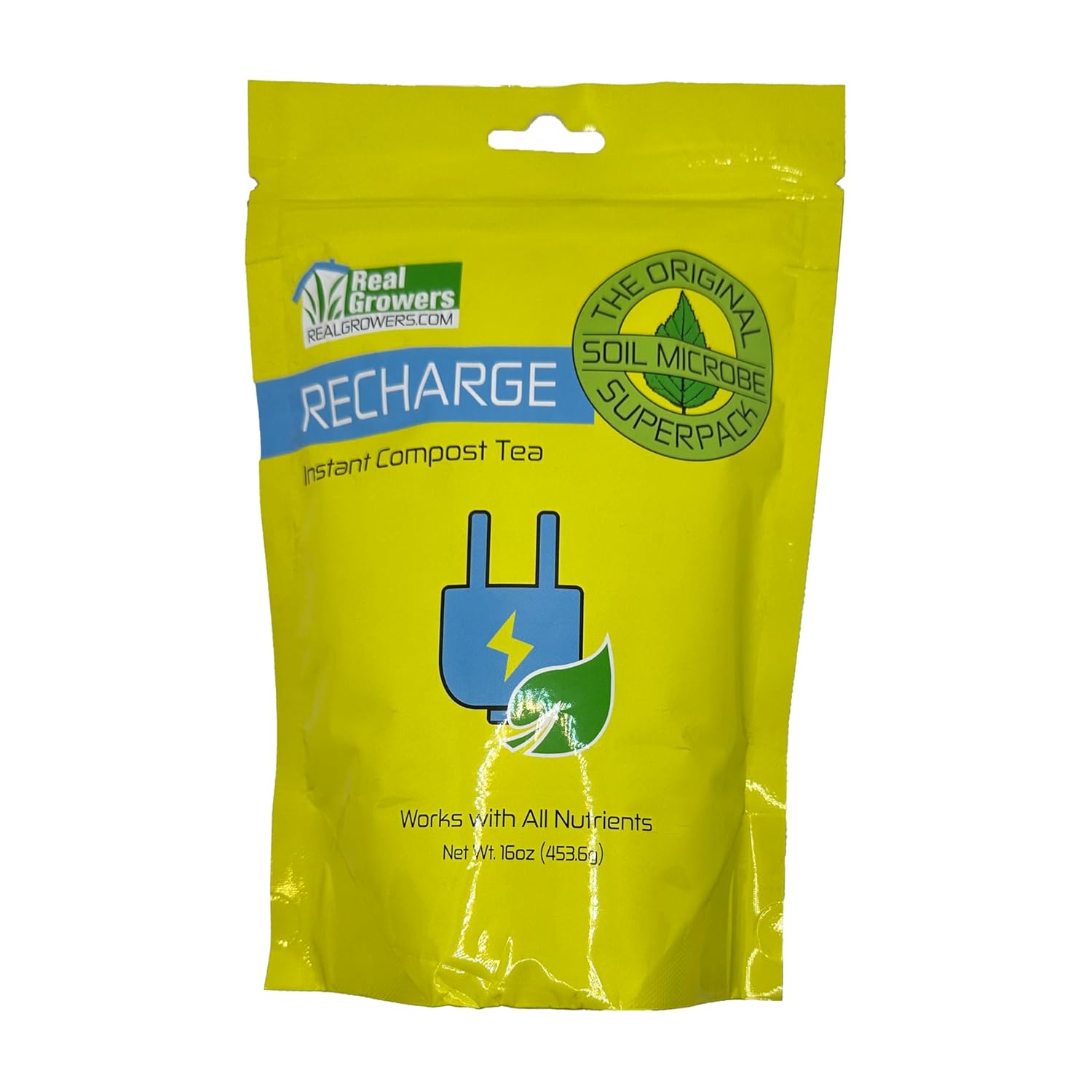
Azomite
Volcanic ash mineral powder. A pinch top-dressed in spring replaces the slow-weathering trace minerals cacti pull from native scree. Once a year is enough. Do not overdo it; rare cacti respond poorly to fertility spikes.
Buy on Amazon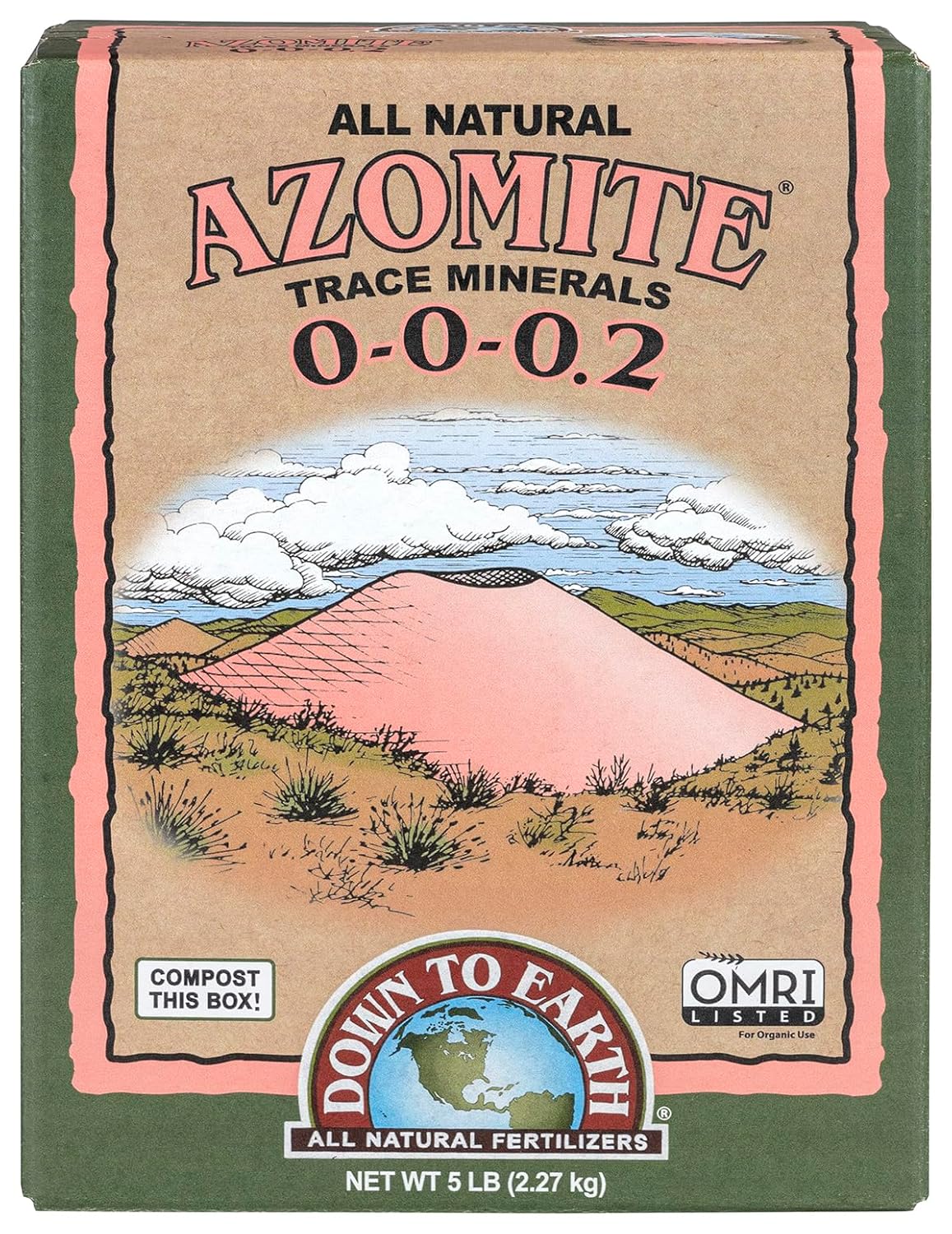
Fox Farm Liquid Plant Bloom
Liquid bloom-stage fertilizer for the flower and fruit window. We use it at quarter-strength, once or twice in late spring on flowering specimens. Skip on juveniles, skip outside the bloom window, and skip on geophytes that are already storing reserves in the taproot.
Buy on Amazon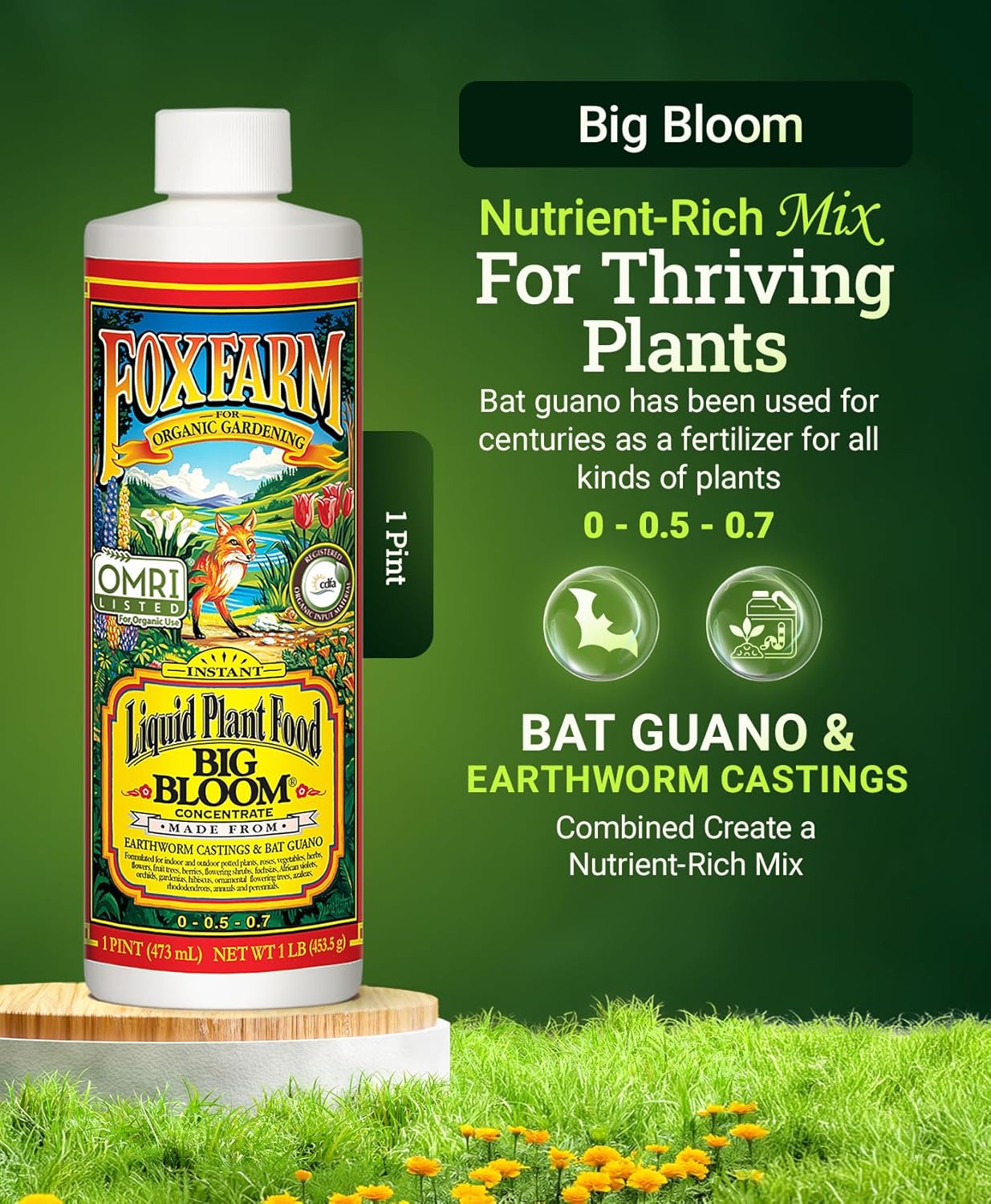
How do you prevent pests and fungus on rare cacti?
Two products cover the realistic threats: mealybugs, scale, and root mealies on the insect side, and fungal lesions or surface mold on the wet-season side. Neither is something you spray on schedule. Both are applied as targeted treatment when a problem appears, or as a preventative drench at repotting if a plant has had pest issues before.
BioAdvanced Systemic Insecticide
Systemic drench for mealybugs, scale, and root mealies. The active ingredient moves through the plant tissue and protects for weeks rather than hours. Apply at repotting per the label dose for a previously infested plant. Do not exceed labeled rates on small specimens.
Buy on Amazon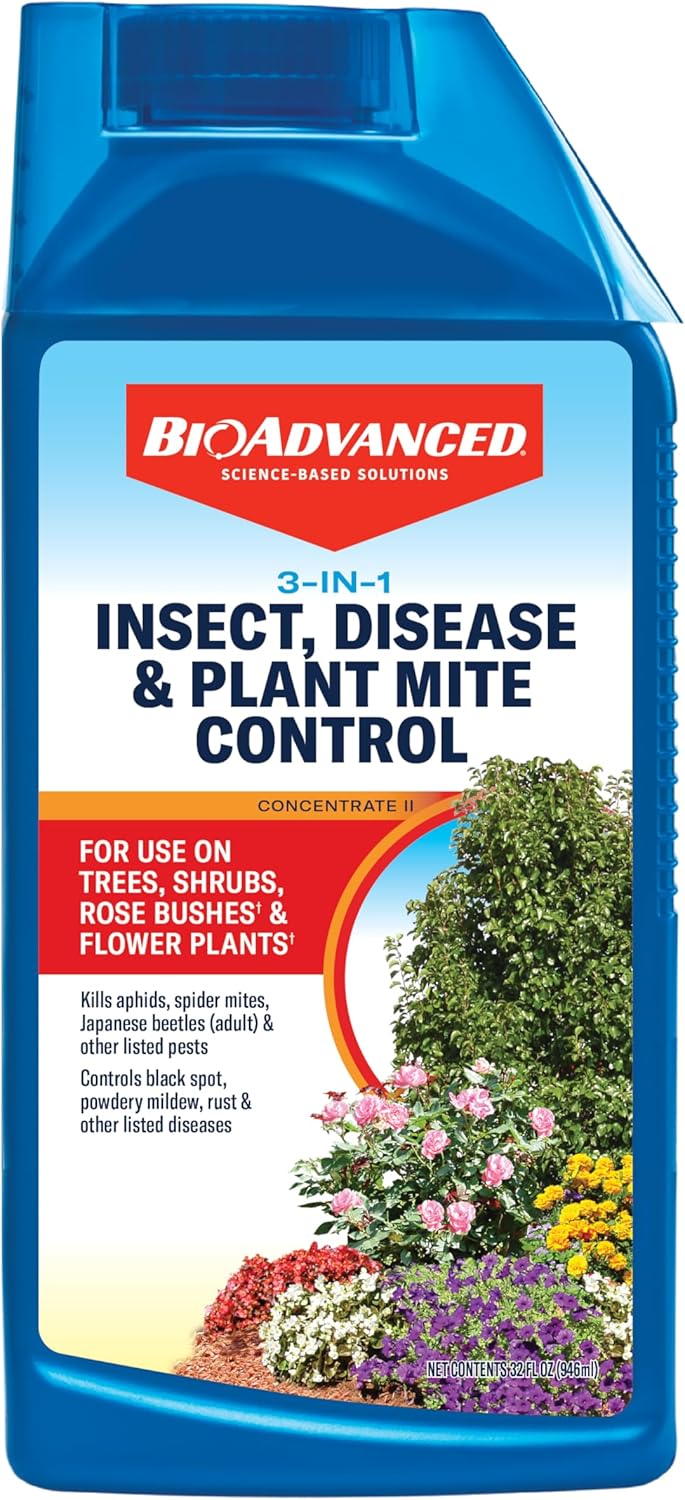
Bonide Captain Jack Copper Fungicide
Copper-based fungicide for surface mold and fungal lesions. Spray as a preventative going into damp seasons or after a wet day in cool conditions. OMRI-listed for organic production, which makes it safer around humans and pets than synthetic alternatives.
Buy on Amazon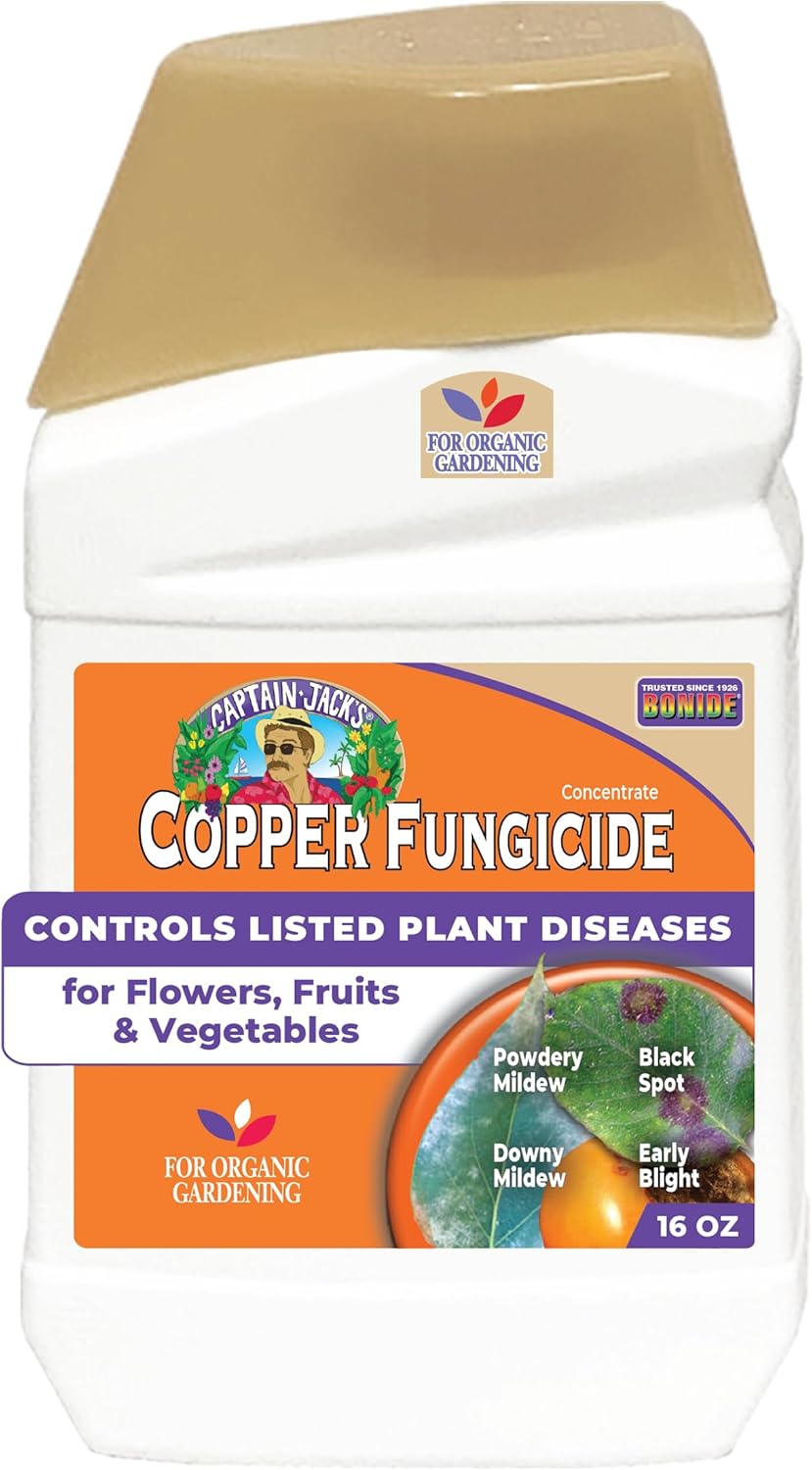
When should you repot?
Mineral mixes hold their structure longer than peat-based mixes, which means you repot less often. Most genera tolerate a 2-4 year cycle. Copiapoa wants the shorter end, around three years. Ariocarpus and Aztekium can stretch to five years if the substrate still looks structurally intact and you have not seen salt buildup at the soil surface.
The repot window is spring through early growing season, after the plant has had a 7-14 day dry-back so its roots are tight and rubbery rather than turgid and brittle.
The bare-rooting procedure:
- Run a butter knife around the inside of the pot to loosen the root ball.
- Massage the soil out of the roots gently. Do not wash with water.
- Inspect for rot, pests, or dead tissue. Trim cleanly with a sterile blade.
- Air-dry the bare-root plant on a wire rack for 3-7 days if you cut anything.
- Repot into dry mix at the same depth as before. Firm in with a chopstick.
- Hold off watering for 10-14 days regardless of how the plant looks.
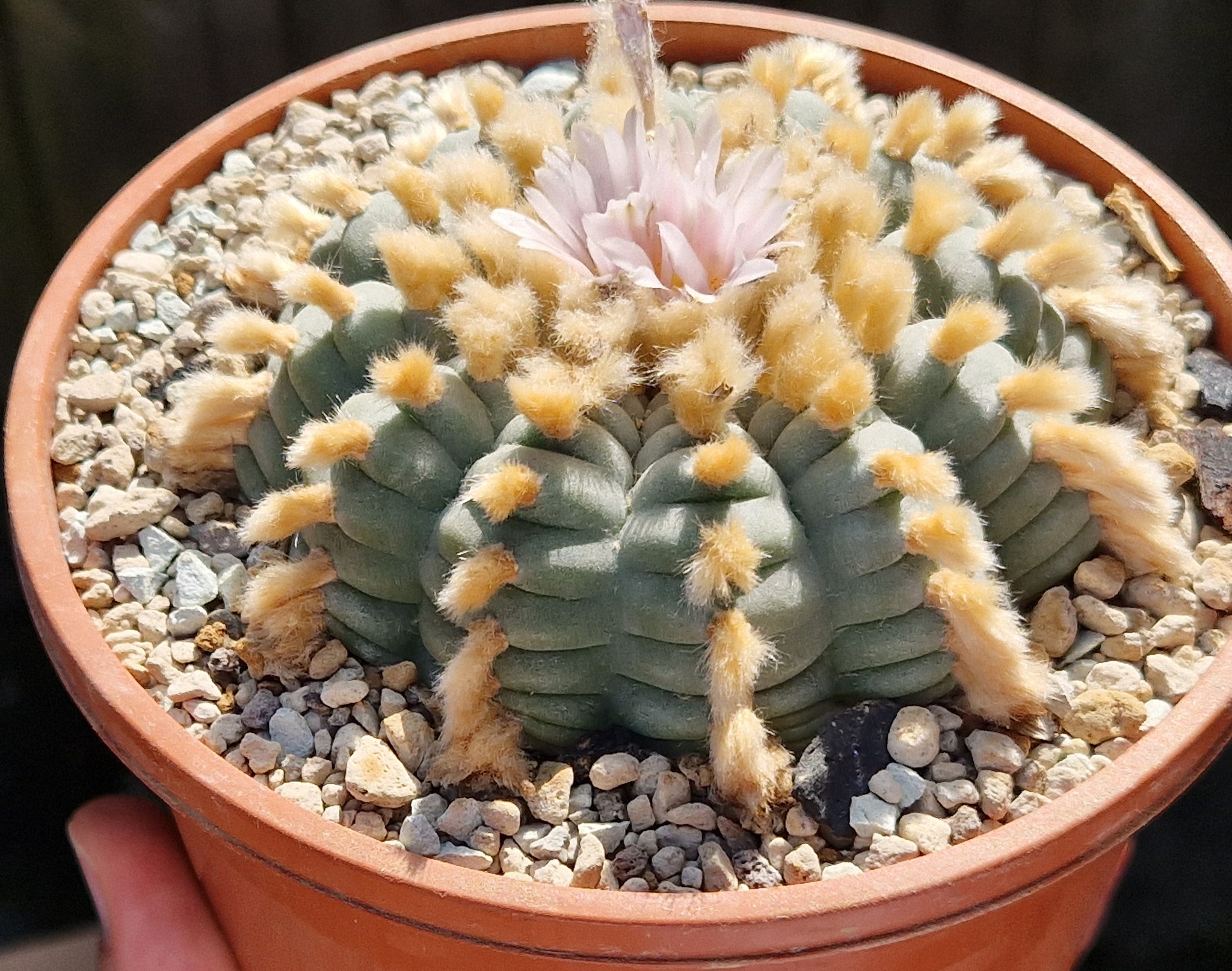
The post-repot waiting period is the part most growers shortcut, and it is the part that matters most. A freshly trimmed root surface is an open wound. Watering a wound is how rot starts.
Mix it once, repot less
The reason this whole article exists is that mineral mixes stop being expensive once you have the ingredients on a shelf. Buy pumice in 50-pound bags, lava rock and zeolite by the kilogram, decomposed granite from a stone yard, crushed limestone from a landscape supplier, and worm castings from any garden center. Mix in a clean tub. Store dry in a sealed bin out of the rain. The first batch costs roughly $80 to $120 depending on what you already own, and it makes enough mix for two dozen 4-inch pots.
The plants tell you whether you got it right. A mature Ariocarpus retusus in a correct mix puts on visible growth in the spring flush. A Copiapoa cinerea maintains its glaucous coating without etiolating. A Lophophora williamsii stays flat and wide instead of going clubby. Those are the signals that the substrate is doing its job.
If a plant is unhappy, recheck the mix before you blame your watering. Most of the time the answer is in the pot, not in the can.
Frequently Asked Questions
What is the best soil for a cactus?
The best soil for a cactus is roughly 90 percent mineral and 10 percent organic by volume: pumice, lava rock, zeolite, granite grit, and a little crushed limestone, with worm castings for the organic part. The pass test is simple. A damp handful should crumble apart when you open your hand. If it holds a ball, it has too much organic content and roots will sit wet.
How do you make your own cactus soil mix?
Combine 35 percent pumice, 20 percent lava rock, 15 percent decomposed granite, 10 percent zeolite, 10 percent crushed limestone, and 10 percent worm castings by volume, totalling 100. Sift the granite first to remove fines, mix dry in a clean tub, and store the surplus sealed and dry. This universal recipe suits Lophophora, Ariocarpus, Astrophytum, and most Mammillaria; the limestone share is house convention rather than a species requirement, and it comes out for Copiapoa. Hard tap water already supplies calcium and bicarbonate at every watering; rainwater and RO water supply neither.
Can I use regular potting soil for cacti?
Only if you cut it hard with grit. Straight potting soil holds water far too long for a desert root system and starts rot within days. If it is all you have, blend one part potting soil to three or four parts pumice, lava, and granite, then water sparingly. Building up from pumice instead of down from potting soil is the better path.
What is the ratio of mineral to organic in cactus soil?
About 90 percent mineral to 10 percent organic for most rare cacti in temperate climates. Drop to 80/20 or 85/15 in hot, dry, low-humidity air where pots dry fast, and push to 92/8 or 95/5 in cool, humid, wet climates where the rot risk is higher. True desert xerophytes such as Copiapoa run leaner still, around 5 percent organic.
Why do cacti need well-draining soil?
Because their roots evolved on dry mineral scree and need air as much as water. A healthy cactus root zone holds roughly 30 percent gas-filled pore space at the moment of watering; a correct mineral mix hits 35 to 45 percent, while peat-based bag soil drops to 5 to 15 percent after a few cycles. Below that floor, roots cannot respire, and rot sets in invisibly until the plant collapses.
LLIFLE Encyclopedia of Living Forms, cultivation entries for Ariocarpus, Lophophora, Aztekium, Copiapoa, and Mammillaria · copiapoa.com/care, Tony Sayer-Roberts on Copiapoa cultivation · British Cactus and Succulent Society (BCSS) cultivation notes on Aztekium · Anderson, E.F. (2001), The Cactus Family, Timber Press · Hernández, H.M. and Gómez-Hinostrosa, C. (2015), Mapping the Cacti of Mexico · Bear River Zeolite product specifications, clinoptilolite cation exchange capacity · General Pumice Company technical specifications · USDA Soil Survey Manual, soil texture feel test methodology · Real Growers Recharge product documentation, mycorrhizae and beneficial microbe composition · Azomite Mineral Products technical data sheet, trace element profile · FoxFarm Soil & Fertilizer Co., Liquid Plant Bloom NPK and application rates · BioAdvanced product label, systemic insecticide application guidance · Bonide Captain Jack’s Copper Fungicide OMRI-listed product specifications