How to Get a Cactus to Flower: Dormancy and Bloom Triggers by Genus
All ArticlesTo get a cactus to flower, give it a cool, dry, bright winter rest. Most desert cacti set flower buds only after eight or more weeks of cold, withheld water, and strong light, around 5 to 13 degrees Celsius. A cactus kept warm and watered all winter stays in growth and will not bloom. Size and maturity matter too.
Why do cacti need a cold, dry rest to flower?
Flowering is triggered by the change of season, and a cactus reads that change from three signals together: shortening days, falling temperature, and withheld water. As autumn turns to winter the plant slows, stops growing, and shifts its energy from making body tissue to setting flower buds for the coming spring. Without that pause, many species never get the cue to bloom.
This is why a heated, watered home is where cacti go to not flower. When the day and night temperature stay much the same all year and the pot is watered through winter, the plant never registers that a season has passed, so it keeps growing slowly instead of initiating buds. The rest also has to be bright: unlike a holiday cactus, a desert cactus spends its winter dormancy in full light, just cold and dry. Get the rest right and most healthy, mature cacti flower readily.
How big does a cactus have to be before it flowers?
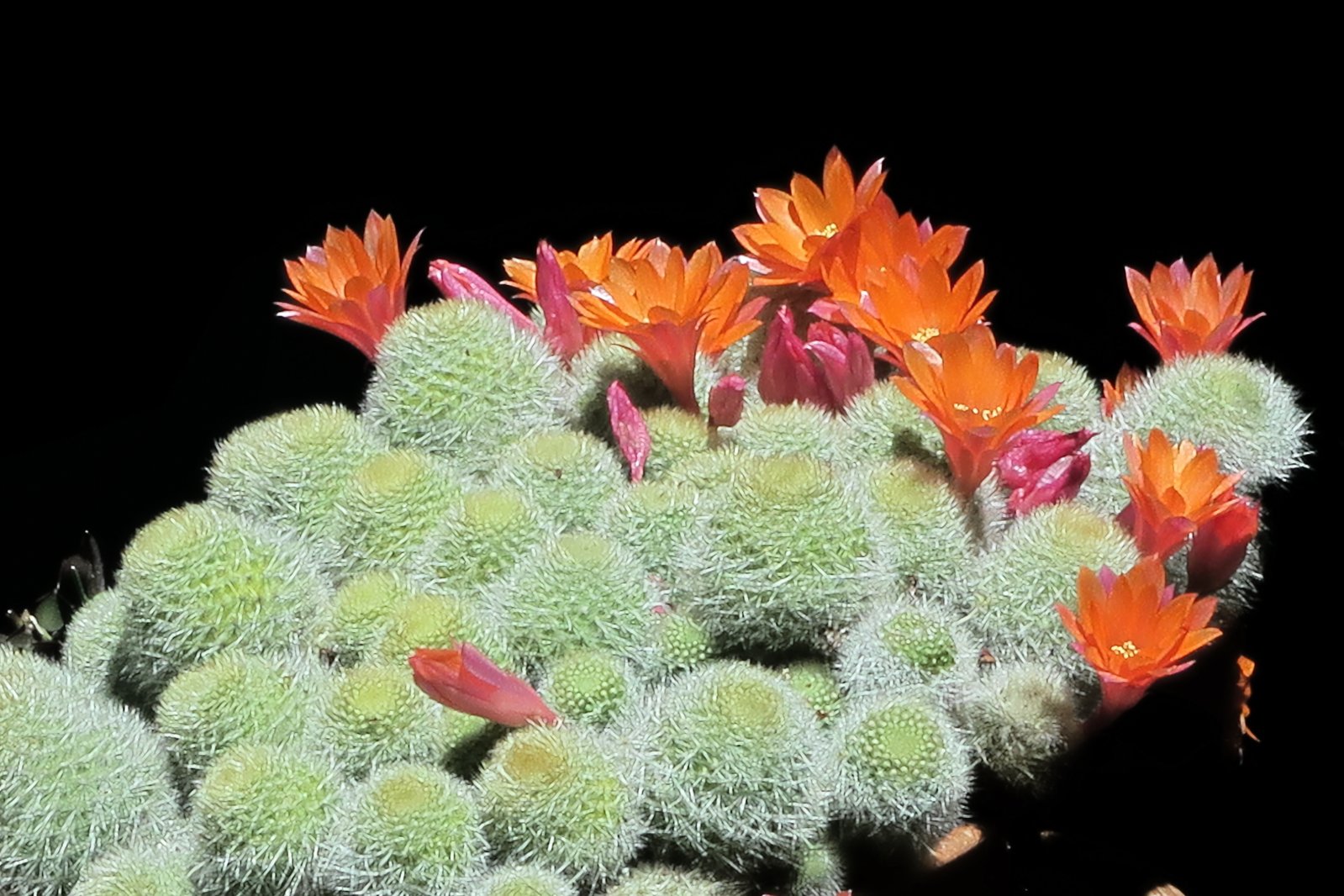
Size, more than age, decides when a cactus can first flower. A plant has to reach a minimum body diameter before flowering is physically possible, and the same genus blooms years earlier if it is grown fast and large. The small globular genera get there quickly: Gymnocalycium and the pincushion Mammillaria commonly flower within three years, and Rebutia can bloom at two.
Slow genera make you wait. Astrophytum flowers once it reaches a few centimetres across, which from seed usually means several years, and Ariocarpus is slower still, taking many years to reach blooming size. Columnar cacti are the extreme: a saguaro does not flower until it is around thirty to thirty-five years old, simply because it has not reached flowering size before then. If a small young plant refuses to bloom, the answer is often that it is not old enough yet, and no amount of coaxing substitutes for size.
Bloom triggers by genus
The cold, dry winter rest is the shared mechanism, but the details differ by genus, and matching the protocol to the plant is what turns a healthy cactus into a flowering one.
Mammillaria set their classic ring of flowers in spring after a cool, almost dry winter around 7 to 13 degrees Celsius for eight weeks or more; returned to warmth and light water in late winter, they often bloom within four to six weeks. Gymnocalycium flower in spring and summer off the same cool dry rest and bloom young. Rebutia are the early, generous bloomers, flowering in earliest spring after a cold dry winter near 10 to 12 degrees, often smothering a small plant in flower.
Echinopsis, which now absorbs the old Lobivia and Trichocereus, give the big show: large, often single-night flowers after a cold, dry winter with no water from roughly October to March. Skip the cold spell and they keep waiting for a season that never comes and do not bloom. Astrophytum flower yellow by day through summer once mature and given strong light. Ariocarpus are the counterintuitive genus, flowering in autumn, in October and November, after the dry rest of the previous winter; their full cycle is covered in the Ariocarpus care guide. Columnar cacti such as Cereus and Cleistocactus flower only once they reach size, often years after propagation, many of them opening at night.
The one true exception is the holiday cactus, Schlumbergera, the Christmas and Thanksgiving cactus. It is not a desert plant and does not use the dry-cold trigger; it is a short-day plant that sets buds in response to long nights, fourteen or more hours of unbroken darkness each day, combined with cool nights. A couple of hours of lamplight at night is enough to stop it budding. Treat it on its own rules, not the desert calendar.
How do you give a cactus a winter rest?
The protocol is the same across the desert genera, with the temperature band tuned to how cold-tolerant the plant is. The goal is a plant that goes into winter dry, stays cold and bright, and breaks dormancy hungry in spring. The survival side of that same rest, how cold each genus can take and how to overwinter safely, is covered in our cactus winter care guide.
Why won’t my healthy cactus flower?
When a plant looks healthy but never blooms, the cause is almost always one of a short list. It was kept too warm in winter, with no temperature drop to signal the season. It does not get enough light, since desert cacti need six or more hours of sun to flower. It is too young or too small to have reached flowering size. It was fed too much nitrogen, which drives soft green growth at the expense of flowers. Or it was watered straight through winter and never given the dry rest that sets buds.
Two smaller causes round it out: a plant recently repotted or root-disturbed may drop developing buds, so do repotting in dormancy rather than near bloom, and a plant in a water-retentive mix struggles to stay healthy through the dry rest. For flowers specifically, feed lightly in the growing season with a low-nitrogen, higher-phosphorus fertiliser rather than a general houseplant feed, and grow the plant in a sharp mineral mix so the roots come through the dry winter sound. The substrate logic is in our cactus soil mix guide, and a plant that is failing rather than just shy of bloom belongs in the diagnostic guide.
Frequently asked questions about getting cacti to flower
Why won’t my cactus flower?
Most often it never got a cool, dry winter rest: kept warm and watered through winter, a cactus stays in growth and skips bloom. The other common causes are too little light, a plant still too young or small to flower, too much nitrogen feed, or recent repotting. Desert cacti need a bright, cold, dry winter to set buds.
How do you get a cactus to bloom indoors?
Give it a winter rest. Stop watering in late autumn, move it somewhere bright and cool, around 5 to 13 degrees Celsius, withhold fertiliser, and keep it there for at least eight weeks. In spring, resume watering and warmth and feed lightly with a low-nitrogen, high-phosphorus fertiliser. Keep it in strong sun and make sure it is mature enough.
Do cacti need cold to flower?
Most desert cacti do. Many will not bloom without a cool, dry rest, often somewhere around 4 to 13 degrees Celsius for two months or more, though the exact need is genus-specific. The holiday cactus is the exception: it is triggered by long nights of 14 or more hours of darkness plus cool temperatures, not by desert-style dry cold.
How long does it take for a cactus to bloom for the first time?
It depends on size, not just age. Small globular genera like Rebutia, Mammillaria, and Gymnocalycium often flower within two to three years from seed. Slow genera like Astrophytum and Ariocarpus take several years to many. Columnar cacti such as the saguaro may not flower until they are thirty years old, because they must first reach flowering size.
What fertiliser makes a cactus flower?
Use a low-nitrogen, higher-phosphorus fertiliser in the growing season, not a standard high-nitrogen houseplant feed, which drives soft green growth at the expense of flowers. Feed sparingly, only when the plant is in active growth, and never during the winter rest. Most mineral-habitat cacti need very little feeding at all.
University of Wisconsin-Madison Horticulture Extension, holiday cactus photoperiod · Clemson Cooperative Extension HGIC, Thanksgiving and Christmas cacti · Royal Horticultural Society, cacti and succulents under glass · Anderson, E.F., The Cactus Family (Timber Press) · Hunt, D., The New Cactus Lexicon (DH Books) · llifle, Encyclopedia of Living Forms · British Cactus and Succulent Society, cultivation notes
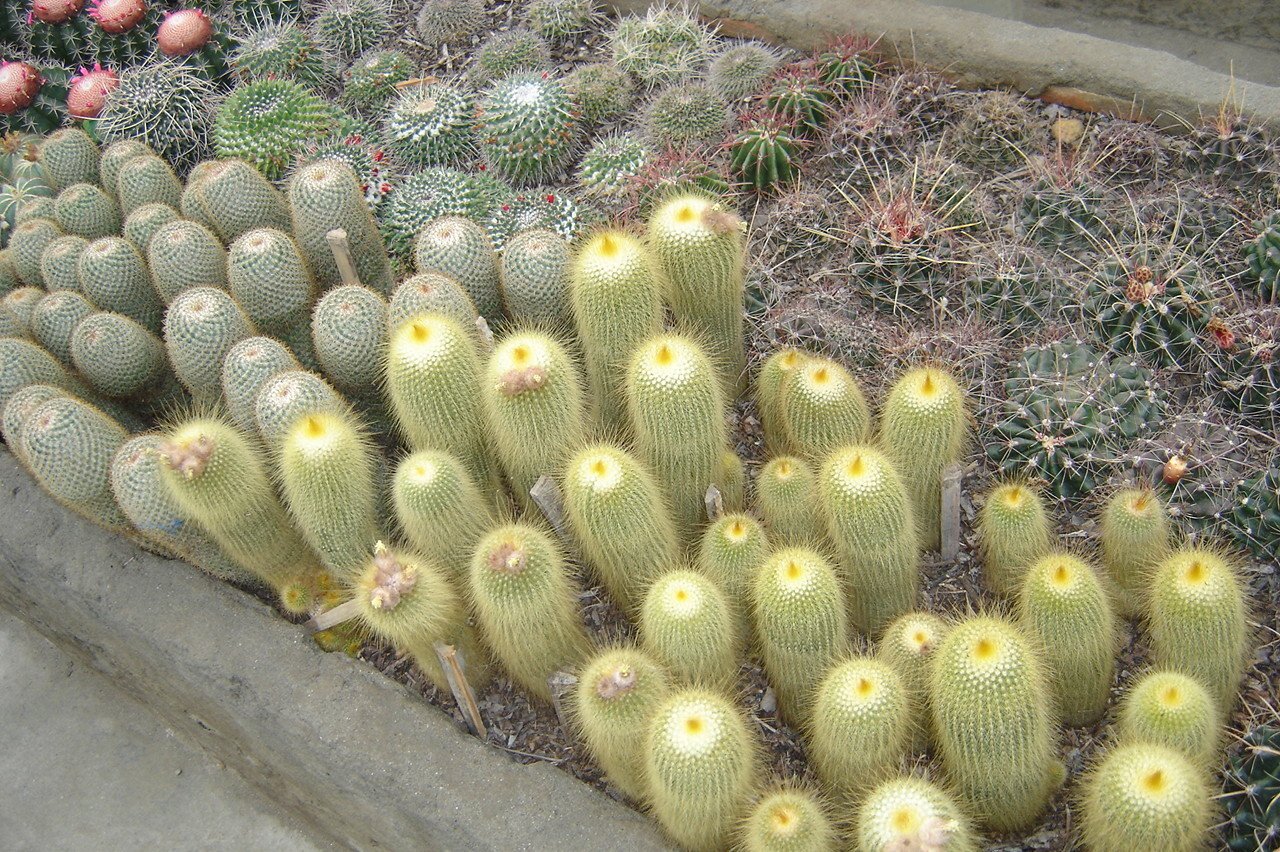
Photos: flowering Parodia by Jamil (CC BY 2.5) and Rebutia by John Rusk (CC BY 2.0), via Wikimedia Commons.