How to Repot a Cactus Without Getting Stabbed: A Step-by-Step Guide
All ArticlesTo repot a cactus without getting stabbed, work with a dry rootball, lift the plant with a folded newspaper collar rather than gloves, which fine spines pass straight through, trim any rotted roots, pot one size up in dry mineral mix, and wait seven to ten days before the first watering so root wounds callous over.
When is the best time to repot a cactus?
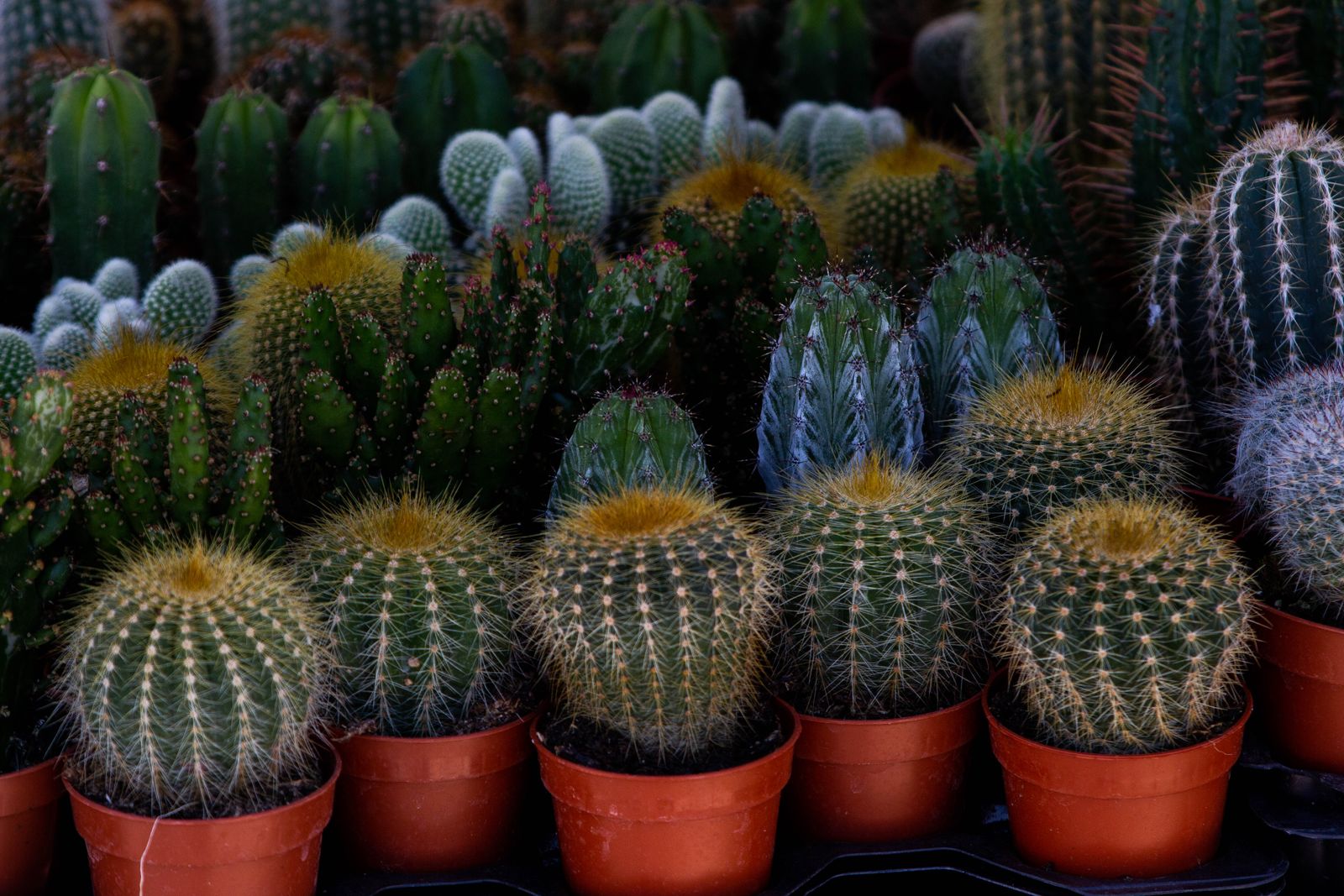
Repot in early spring, as the plant comes into active growth, and never during winter dormancy or while it is flowering. A cactus repotted in growth recovers fast and re-roots into its fresh mix; one disturbed in dormancy sits in damp soil with no growth to drive recovery and is far more likely to rot. Most cacti want repotting every two to four years, the slow taproot species nearer three to five.
The signs it is time are easy to read: roots pushing out of the drainage holes, a plant gone top-heavy or crowded in its pot, soil that has broken down or carries a pale mineral crust, or simply growth that has stalled. A root-bound plant is itself a quiet rot risk, since packed roots take up water poorly, so sizing up is as much about health as about room to grow. A newly bought cactus is worth repotting out of its often peaty nursery soil into a mineral mix, on the same dry-and-wait method below.
How do you handle a cactus without getting stabbed?
Gloves are not the answer. Fine spines pass straight through leather and fabric, then stick in the glove and transfer to your hands later. The workhorse method is a collar: fold a sheet of newspaper into a thick strip, wrap it into a loop around the body, and squeeze the ends together to make a sling that lifts even a spiny plant securely. All-metal kitchen tongs with a light grip work for stout-spined and columnar plants, and a folded towel or strip of carpet does the same job for larger specimens. Never squeeze hard; too much pressure bruises or splits the body.
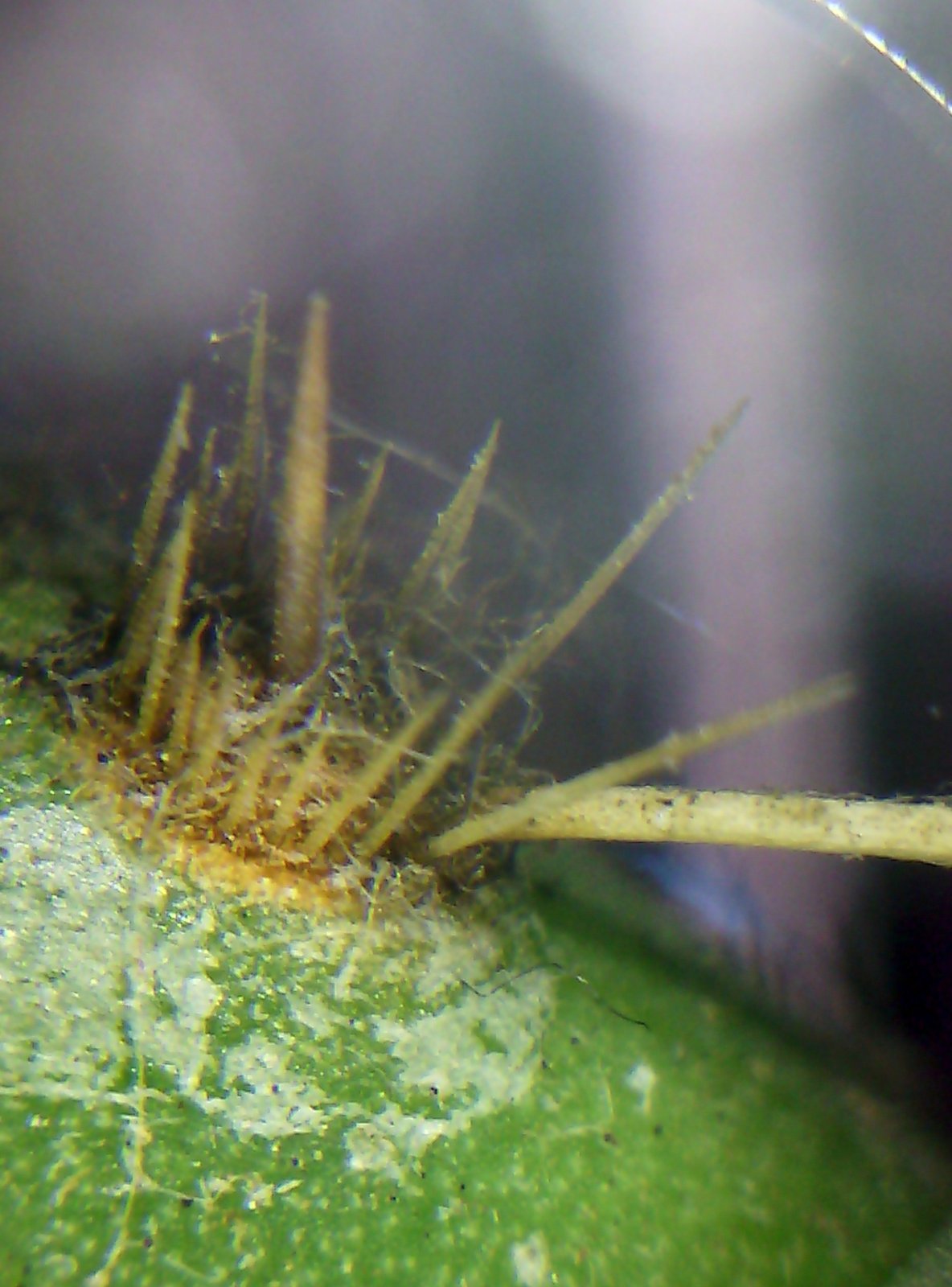
Match the grip to the plant. Spineless or weakly armed species, the Astrophytum and Ariocarpus among them, are easy to hold but easy to bruise, so handle them with soft foam or light fingertips. The real hazard is the Opuntia group, whose tiny barbed glochids break off in their hundreds on the lightest touch and drive deeper if you force them. Use tongs and never grab those bare-handed. If you do pick up a load of glochids, skip the tweezers: spread a thin layer of white glue over the skin, press a piece of gauze into it, let it dry, and peel, which lifts about ninety-five percent of them, where tape manages barely a third.
How do you repot a cactus step by step?
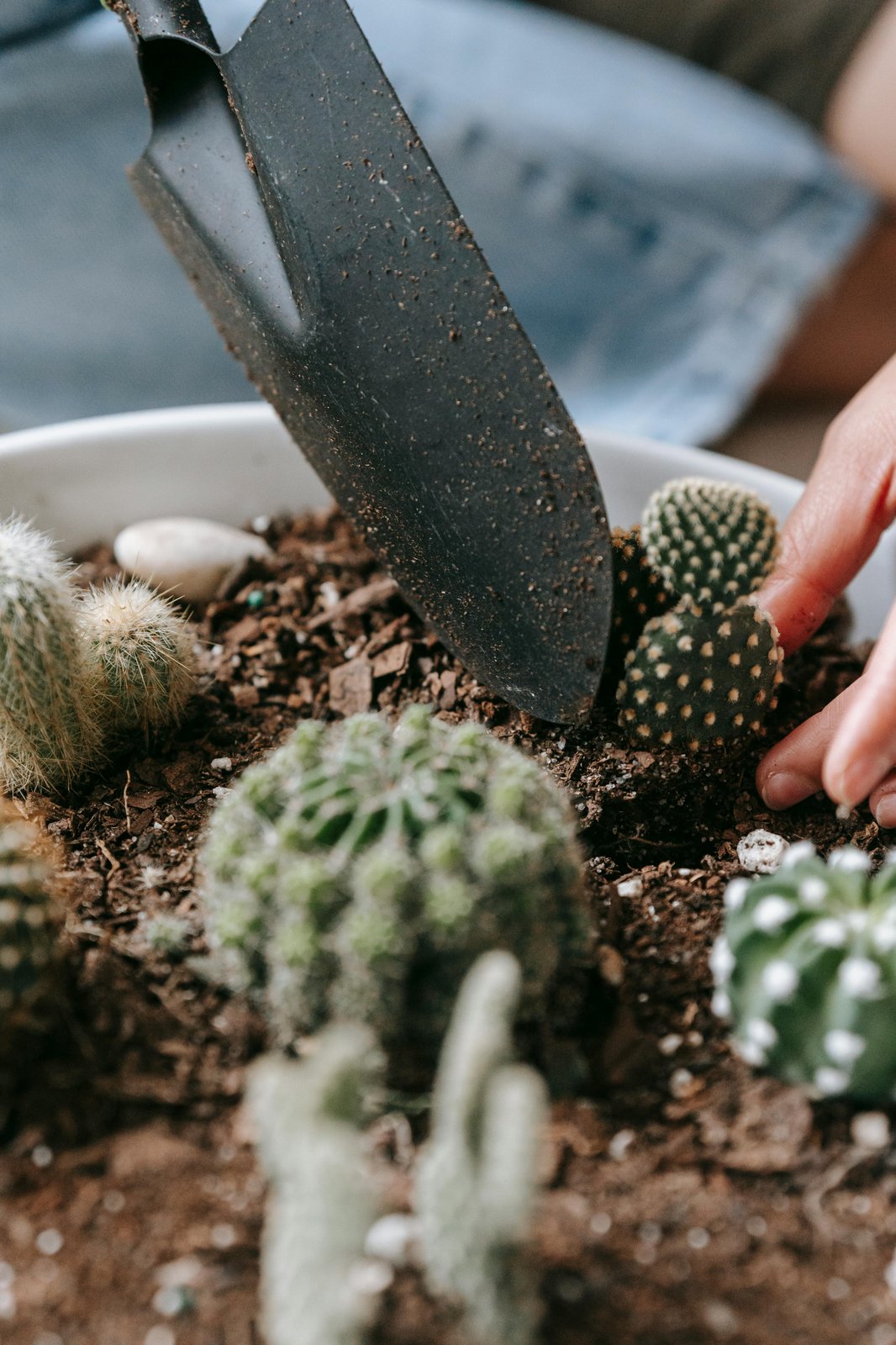
The whole procedure runs on one rule: repot dry, then wait to water. A dry rootball slips out cleanly and gives you the chance to inspect the roots, and the wait afterwards lets any wounds callous before water can rot them.
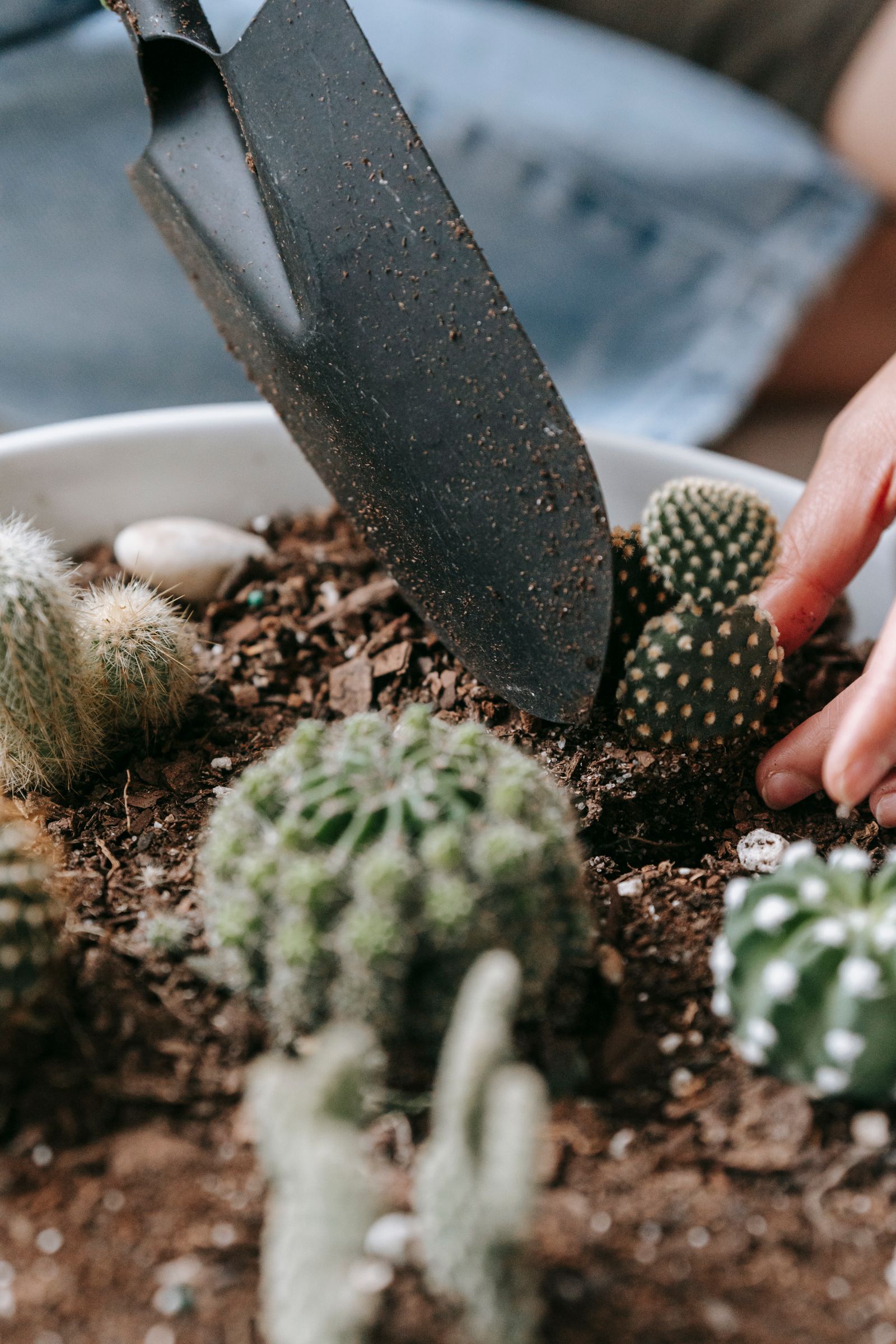
Two points carry most of the risk. Burying the collar, the point where the body meets the roots, traps moisture against the most rot-prone tissue, so keep it at or just above the surface and finish with a collar of coarse grit. And watering too soon undoes everything: a fresh root cut sitting in wet mix is the classic way a healthy repot turns into the rot covered in our root rot guide.
What pot and depth does each kind of cactus need?
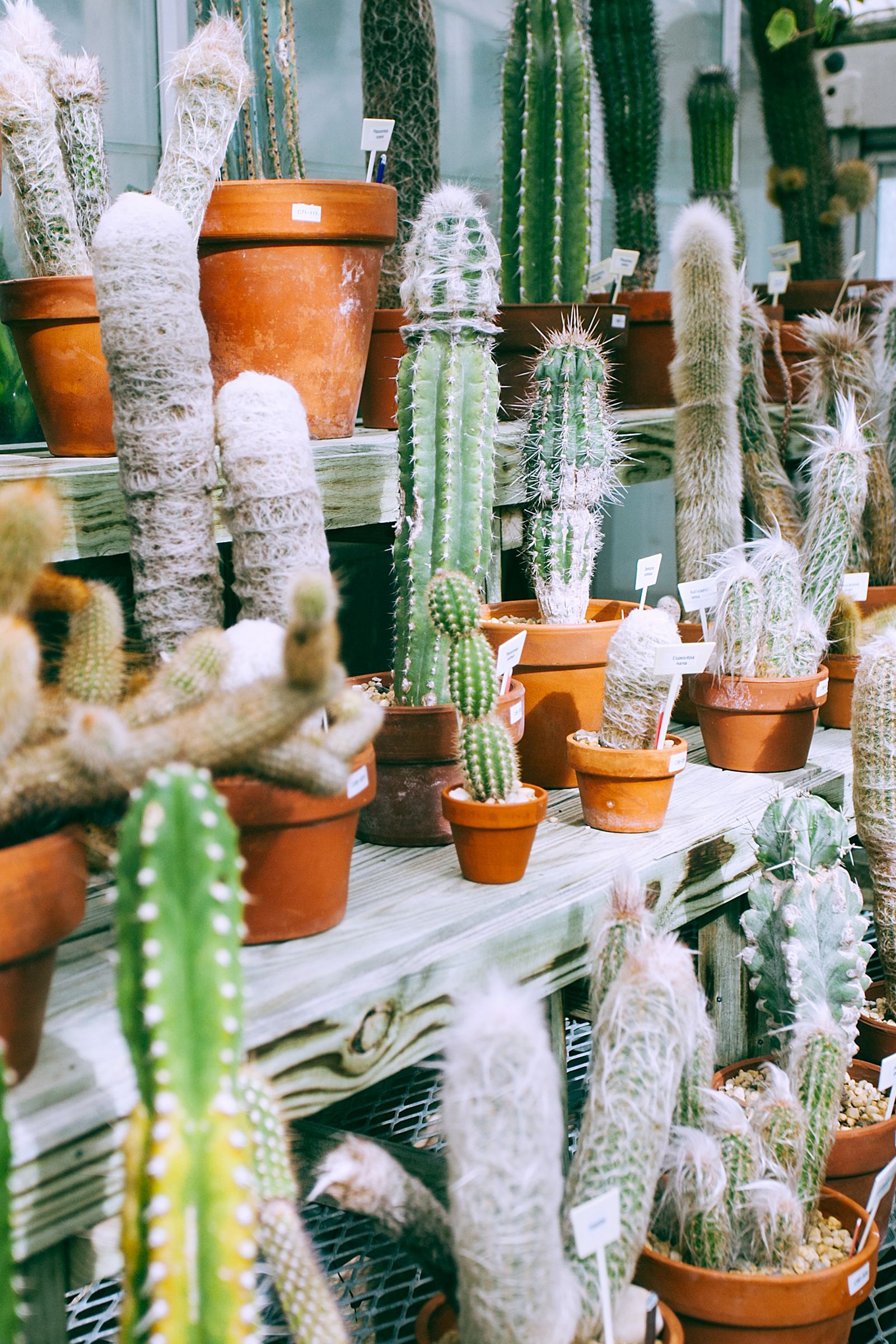
Pot material is a choice, not a default. Unglazed terracotta dries fastest and suits rot-prone plants, humid climates, and anyone who tends to overwater; plastic and glazed ceramic hold moisture longer and suit dry climates and careful waterers. What matters more than material is depth, and depth is set by the roots. Drainage holes are non-negotiable either way.
The tuberous taproot geophytes, Ariocarpus, Turbinicarpus, Lophophora, and taprooted Mammillaria such as napina and pectinifera, carry most of their bulk below ground and need deep pots that give the vertical taproot room, plus the longest wait before water. Gymnocalycium are shallow, fibrous-rooted and want a shallower, wider pot and only an occasional size-up. Columnar cacti are top-heavy and need a deeper, heavier pot for stability. And the rot-prone flat species like Astrophytum asterias want their collar set high and dry above a thick grit top-dressing. The Ariocarpus and Mammillaria care guides cover each genus in full.
Do you water a cactus right after repotting?
No. Wait seven to ten days, and longer if you trimmed roots or repotted a slow taproot species, so any wounds callous before water reaches them. Then give a light first watering rather than a full soak, and return to the normal soak-and-dry rhythm once the plant is growing. Keep it in bright shade for the first few days rather than full sun while the roots settle, and do not be alarmed by a little post-repot droop or shrivel, which is ordinary transplant shock that passes as the roots take hold.
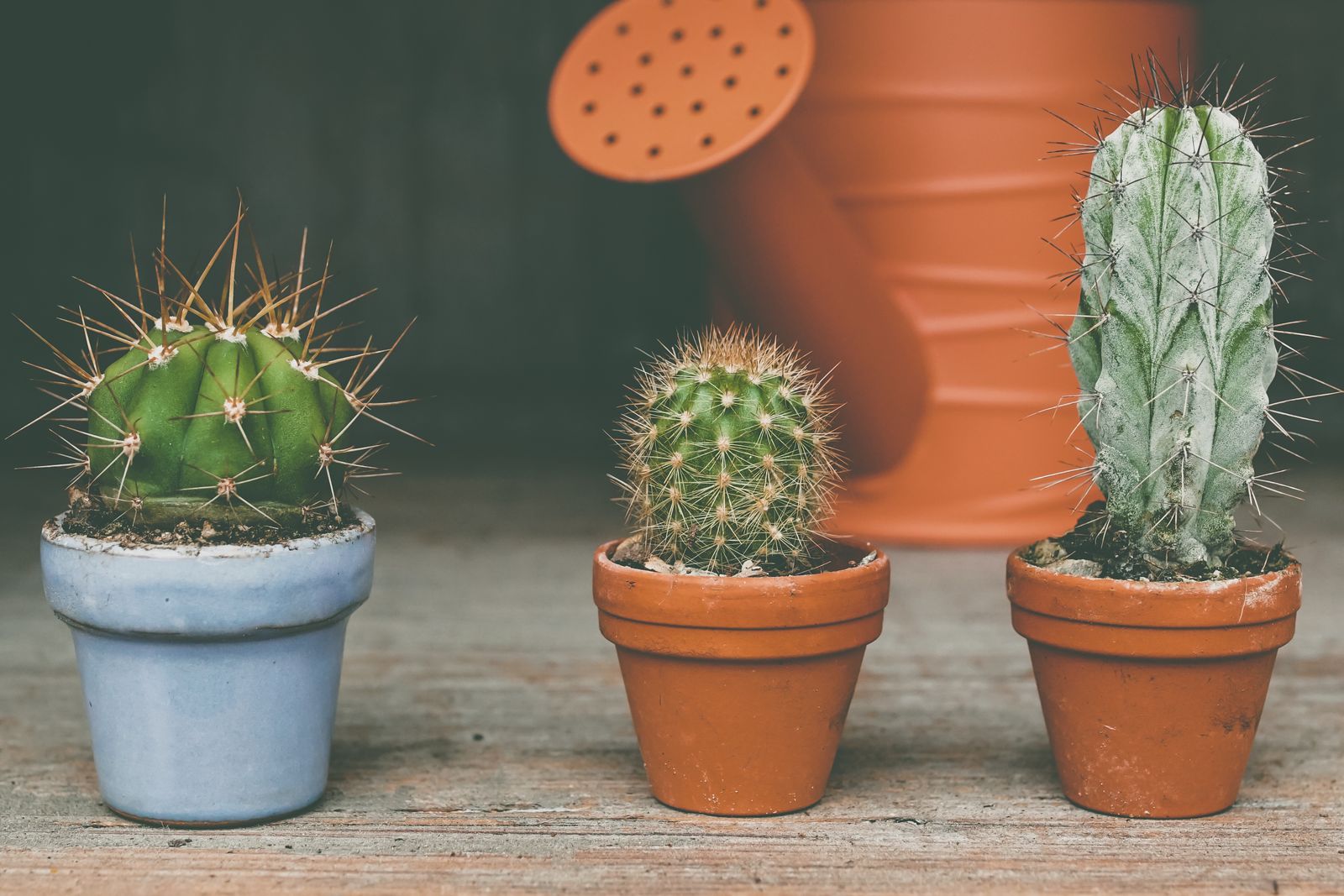
Watch the base over the following weeks, since this is when a disturbed plant is most vulnerable to rot. A firm body is fine; a softening, discolouring base means water reached a wound too soon. Hold off feeding, too: wait four to six weeks after repotting before the first dilute feed, because fresh mix already carries what the plant needs and the roots are in no state to use more. And do not repot again until the plant has earned it, which for a settled cactus in good mineral mix is years away. If trouble does set in, our diagnostic guide is the place to start, and our winter care guide explains why the dormant months are the wrong time to disturb the roots at all.
Once the roots have settled, the pot rejoins the ordinary rhythm, and our guide to how often to water a cactus takes over from there.
Frequently asked questions about repotting a cactus
When is the best time to repot a cactus?
Repot in early spring as the cactus comes into active growth, every two to four years, or three to five for slow taproot species. Repot when roots show at the drainage holes, the plant is top-heavy, or the soil has broken down. Never repot during winter dormancy or while the plant is flowering.
How do you repot a cactus without getting hurt?
Lift the plant with a folded newspaper collar, all-metal tongs, or a towel wrap rather than gloves, which fine spines pass straight through. Keep a light grip so you do not bruise the body. For Opuntia glochids, use tongs and never grab bare-handed, then remove stray glochids with glue and gauze.
Do you water a cactus right after repotting?
No. Wait seven to ten days, and longer if you trimmed roots or repotted a slow taproot species, so the root wounds callous before water reaches them. Watering a fresh root cut in damp mix is the most common way a healthy repot turns into rot. After the wait, give a light watering, not a soak.
What size pot does a cactus need?
One size up, about one to two inches wider than the rootball, always with drainage holes. An oversized pot holds a reservoir of wet mix the roots cannot use, which causes rot. Depth depends on the roots: deep pots for taproot species, shallower wider pots for fibrous-rooted ones like Gymnocalycium.
How do you repot a cactus with a deep taproot?
Taproot geophytes like Ariocarpus and Lophophora need a deep pot that lets the taproot sit vertical, and a fast mineral mix that drains instantly at the surface. Keep the collar at or just above soil level, top-dress with grit, and give these the longest wait of all, up to two weeks, before the first careful watering.
Gardening Know How, repotting cactus and handling guidance · Laidback Gardener, “Repot a cactus without getting jabbed” (newspaper-collar method) · ScienceInsights and ED-removal literature on glochid removal (glue-and-gauze method) · Royal Horticultural Society, cacti and succulents under glass · Henry Shaw Cactus and Succulent Society, cultivation notes · Anderson, E.F., The Cactus Family (Timber Press)
Photos: planting cacti and trowel work by Teona Swift, nursery cacti by Nikolaos D. Nomikos, terracotta benches by Maria Orlova, and watering can still life by Susanne Jutzeler (all Pexels License); Opuntia glochids by Roger Griffith (CC BY-SA 4.0), via Wikimedia Commons.