
Cactus Root Rot: How to Identify, Treat, and Prevent It
All ArticlesCactus root rot is the decay of roots and stem base by water molds (Pythium, Phytophthora), fungi (Fusarium), or bacteria (Erwinia), almost always triggered by wet substrate or a cold-wet wound. The plant can look healthy until it suddenly softens and topples. Caught early, most cacti can be cut back to clean tissue and re-rooted.
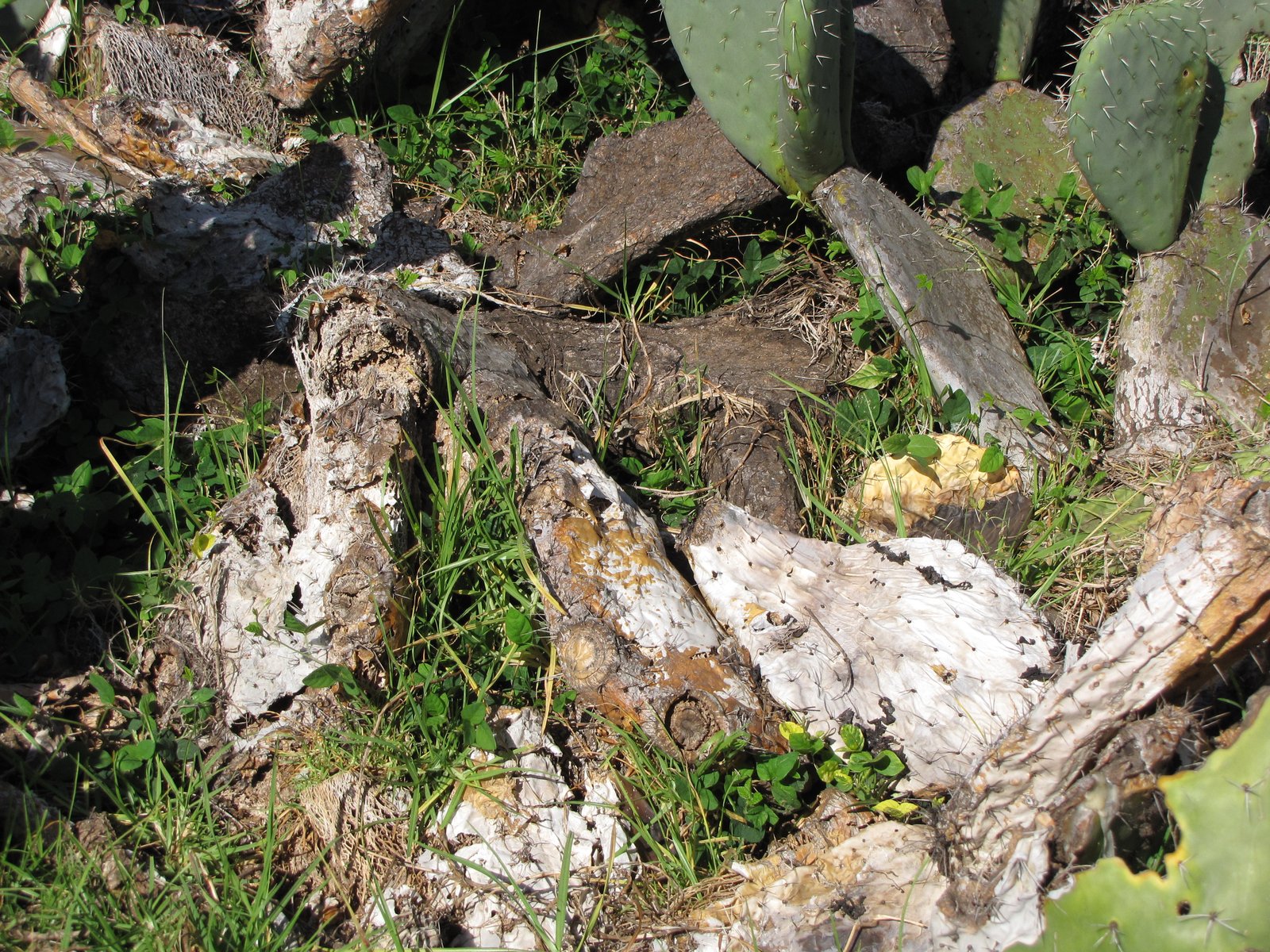
What does cactus root rot look like?
Root rot begins below the soil where you cannot see it, which is why it so often reads as a healthy plant that collapses overnight. Healthy roots are firm and white to light tan. Rotted roots are brown to black, soft, and mushy, and with water-mold infection the outer root tissue sloughs off and leaves a thin thread of vascular tissue behind, the so-called rat-tail.
Above the soil the signs come later and in a recognisable order: a base that softens and darkens, a body that loses firmness or wrinkles even though the plant has water, a lean or a sudden topple, and in bacterial rot a foul smell and dark fluid weeping from the tissue. The reason a plant can look fine and then fall is mechanical. Once rot reaches the central vascular ring, the plant can no longer move water, and it can stand intact on a dead core until the body deflates. Our broader root-to-crown diagnostic guide is the place to start if you are not yet sure rot is the cause.
Is it rot, corking, sunburn, or just thirst?
Most panic about a browning cactus is really one of four things, and a few checks separate them. Rot is soft and mushy, dark and wet, it spreads in days, and a cut through it shows brown or black streaking in the central ring. Corking, the natural woody bark that forms at the base of an ageing plant, is firm, dry, and odorless, it creeps up evenly over months and years, and the flesh under it stays green. A giant brown patch that appears overnight is never corking.
Sunburn is firm, bleached then tan, and only on the sun-facing side. A dehydration wrinkle is firm and even, and the plant plumps back up after a good soak. Frost damage starts water-soaked and translucent, then collapses, and matters here because freeze cracks are a documented entry wound for bacterial soft rot. Two quick tests resolve most cases: press the tissue, because firm means safe and mushy means rot, and smell it, because rot, especially bacterial rot, has a distinct foul odor that corking and sunburn never do.
What actually causes cactus root rot?
Root rot is not one disease, and that matters because the fixes differ. The most common culprits in overwatered cacti are the water molds, Pythium and Phytophthora. These are oomycetes, more closely related to algae than to true fungi, and they activate in saturated substrate, swimming to the roots as zoospores once the mix is at or above field capacity. They attack the fine feeder roots first, then the rest of the system. Water molds are the reason overwatering and poor drainage are the leading causes of rot.
True fungi are the second group. Fusarium species cause both soft and dry rot and are documented on Astrophytum, Echinocereus, Ferocactus, Gymnocalycium, Mammillaria, and others; the giveaway is orange-brown vascular tissue and sometimes a salmon or violet spore bloom on the surface. Fusarium is widely described as effectively incurable once it is systemic. The third group is bacterial soft rot, chiefly Erwinia cacticida (now placed in Pectobacterium), first described from saguaro and other desert cacti by University of Arizona pathologists in 1991. Bacterial rot is a wet, foul-smelling rot that enters through wounds, including frost cracks, and has no chemical cure.
The practical takeaway is that culture, not chemistry, is the real lever. The oomycete fungicides that work on Pythium and Phytophthora, such as mefenoxam and fosetyl-Al, do nothing against Fusarium or against bacteria, and home growers rarely diagnose which organism they have. Drainage, water discipline, and timely surgery save far more plants than any spray.
How do you treat a cactus with root rot?
Treatment is surgical: remove the dead tissue, expose clean tissue, let it callous, and re-root dry. The sooner you start, the better the odds. Caught early, while the rot is small and localised, a plant has a good chance; one left until it softens through or topples has very little.
Two points on wound treatments, because care sites overclaim here. Powdered sulfur is a well-established topical fungicide and the safest default. Cinnamon has real antifungal activity in the lab, but its home efficacy is unproven and, applied thickly, it forms a water-trapping crust that blocks callusing, which is the opposite of what you want. Activated charcoal is traditional rather than evidence-backed. The callous step is the one most people rush, and a cut that re-roots before it has hardened simply rots again.
Rescue protocols by genus
The general procedure holds, but the details change with root architecture, and this is where generic advice falls short.
Tuberous-taproot genera (Ariocarpus, Lophophora, Turbinicarpus, Pelecyphora). The fleshy taproot stores moisture and holds it far longer than fibrous roots, so rot tends to begin in the taproot and the root neck and climb invisibly. Cut the taproot back until the tissue is uniformly pale, because even a small stained patch will keep spreading. These plants tolerate a long callous of two to four weeks well, since the body buffers the wait, and they can regrow on fine roots after losing the taproot entirely, just slowly. The same plants need the limestone-rich mineral mix described in our Ariocarpus care guide; the wrong substrate is what rotted them in the first place.
Globular genera (Gymnocalycium and relatives). Gymnocalycium are often called forgiving, and they do tolerate lower light and missed waterings, but they are not rot-proof. They are shallow-rooted, sensitive to wet substrate, and a documented natural host of Fusarium. Treat them as drought-forgiving but moisture-sensitive, not bulletproof.
Columnar genera (Trichocereus, Echinopsis, and kin). These are fibrous-rooted and need very sharp drainage. Their advantage in a rescue is that cutting and re-rooting doubles as propagation: a long rotting column can be cut above the rot and re-rooted as a clean cutting, and the base often pups. Watch for the core problem, where the central tissue is rotten while the rind looks fine, and keep cutting up the stem until the cross-section runs clean. Cut at a slight downward angle so water does not pool on the wound. Our propagation guide covers the rooting of clean cuttings in detail.
Astrophytum. Spineless and rot-prone, with A. asterias the most unforgiving of the group on water, Astrophytum lose roots readily, which is why the genus is so often grafted. If the roots are gone and the body is still sound, grafting the clean top onto a vigorous rootstock is a legitimate rescue. One exclusion: forest epiphytes such as Christmas and jungle cacti live by different moisture rules and are not covered by these desert-cactus protocols.
How do you prevent cactus root rot?
Prevention is mostly substrate and water timing. Rot pathogens need saturated, airless conditions, so the single most effective defence is a mineral substrate with high air-filled porosity. Coarse grit, pumice, lava, and granite hold open the pore spaces that let oxygen reach the roots and let water drain away, denying water molds the standing moisture they require. This is the mechanism behind the mineral mixes the site recommends, and the reason we steer growers away from peat-heavy bagged soils: peat and perlite-laden mixes hold water against the roots, the exact opposite of what prevents rot. The full recipe lives in our cactus soil mix guide.
The rest is discipline. Use a pot with drainage holes and avoid oversizing it, since a large reservoir of wet mix the roots cannot use is a rot risk. Water thoroughly, then verify the mix is dry to depth before watering again, by weight, by a probe, or by a moisture meter, not by the surface. Respect the seasonal danger window, because cold and wet together is what kills: nearly all cacti tolerate dry cold far better than wet cold, and winter saturation drives both water-mold rot and the frost cracks that let bacteria in. Rainwater or filtered water keeps mineral salts from building up and degrading drainage over time.
Prevention starts one step earlier still, with the watering decision itself; our guide to how often to water a cactus covers the checks that keep the mix from ever staying wet.
Frequently asked questions about cactus root rot
Can a cactus recover from root rot?
Yes, if you catch it before the rot reaches the growing tip. Cut back to clean white or green tissue above the rot, dust the wound with sulfur, let it callous until hard, and re-root in dry mineral substrate. Columnar species re-root readily; slow tuberous species recover but take longer. A plant that has gone soft throughout cannot be saved.
How far up do you cut a rotting cactus?
Cut at least one to two inches above any visible brown or black tissue, then check the cut face. It should be uniformly white or green with a clean central ring. If you see any staining or discoloration in the core, keep cutting higher until the cross-section runs completely clean, because rot travels up the vascular tissue ahead of the visible damage.
Should I use cinnamon or sulfur on a cactus cut?
Use powdered sulfur. It is a well-established topical fungicide and the safer default for a fresh cut. Cinnamon has antifungal activity in the lab but its effect in home use is unproven, and applied thickly it forms a water-trapping crust that blocks callusing. Whatever you dust on, the callousing and dry re-rooting matter far more than the powder.
How long should a cactus cutting callous before replanting?
Small cuttings need about three to seven days; thick columnar stems and large taproot cuts need one to two weeks or longer, and everything takes longer in cool or humid air. The cut is ready when it is hard and dry to the touch. Re-rooting before the wound has calloused is one of the most common ways a rescued cactus rots a second time.
What causes root rot in cacti?
Root rot in cacti is caused by water molds (Pythium and Phytophthora), true fungi (Fusarium), and bacteria (Erwinia), and the trigger is almost always wet substrate or a cold-wet wound. Water molds activate in saturated soil, so overwatering and poor drainage are the leading causes. A fast-draining mineral substrate and a dry winter remove the conditions all of them need.
UC Statewide IPM Program (UC ANR), “Pythium Root Rot” · Penn State Department of Plant Pathology, Pythium disease module · University of Wisconsin-Madison Horticulture Extension, “Bacterial Soft Rot” · Alcorn S.M. et al., “Taxonomy and Pathogenicity of Erwinia cacticida sp. nov.,” International Journal of Systematic Bacteriology (1991) · Sánchez-Chávez et al., “Fusarium and Neocosmospora Species Associated with Rot of Cactaceae,” (2022) · New Mexico State University, Phytophthora root and crown rot · Pacific Northwest Pest Management Handbooks, Phytophthora diagnosis and management · University of Arizona Cooperative Extension, saguaro problems, pests and disease · ihort, air porosity and disease risk in propagation media · Anderson, E.F., The Cactus Family (Timber Press)
Photo: rotted Opuntia by Forest & Kim Starr (CC BY 3.0), via Wikimedia Commons.