
Why Is My Cactus Turning Brown? Sunburn, Corking, and Rot Explained
All ArticlesA cactus turns brown for five main reasons, and one quick test sorts the harmless from the deadly: press the brown area. Firm, dry brown is usually corking or an old sunburn scar, both harmless. Soft, wet, spreading brown is rot, which kills. Location, speed, and smell settle the rest.
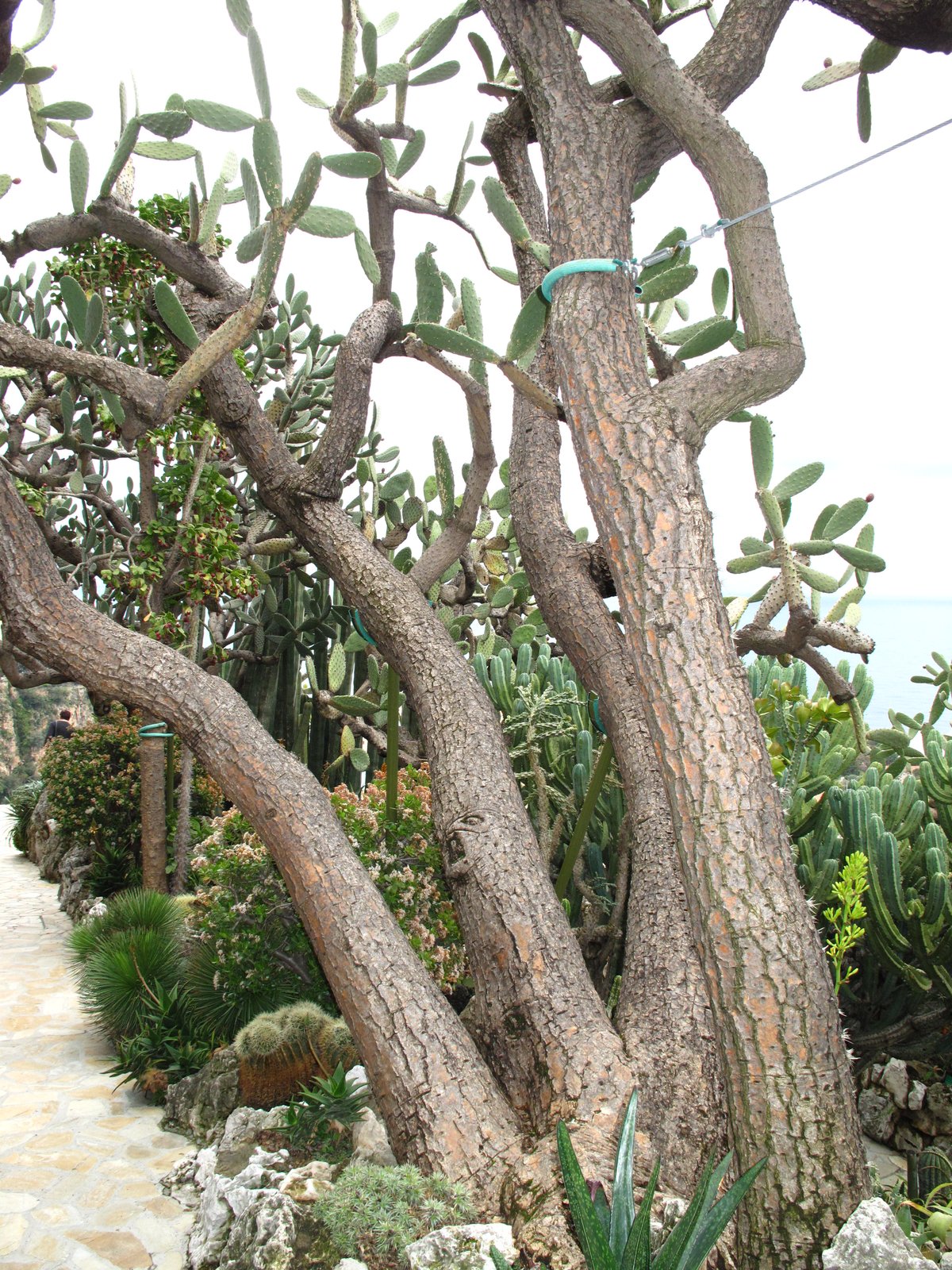
Is my cactus corking or rotting?
Corking or rotting is the question behind most brown-cactus panic, and the press test answers it. Corking is firm. It is the natural, bark-like aging of the skin: dry, woody, tan to grey-brown, and it creeps up evenly from the base of a mature plant over months and years. The flesh underneath stays green, spines on the corked zone may drop, and it needs no treatment at all. Columnar and older globular cacti, including the Echinopsis and San Pedro types, cork heavily and normally with age.
Rot is soft. It is dark brown to black, often wet or weeping, it gives way under a gentle press, and it spreads fast, over days rather than months. It can start anywhere, not just the base, frequently carries a foul smell, and a cut through it shows brown, mushy interior and a stained vascular ring rather than clean green flesh. Rot is the one brown that kills, and it needs the surgery covered in our cactus root rot guide. If you remember one thing: firm and slow is safe, soft and fast is not.
What does cactus sunburn look like?
Sunburn shows on the sun-facing side only, and that one-sidedness is its signature. It begins as a bleached yellow or white patch where the strong light overwhelmed unhardened tissue, then darkens to a tan or brown scar as that tissue dies. It happens when a plant grown in a greenhouse, indoors, or at an east or west window is moved into strong direct sun too fast, before its skin has built up its protective pigments. The scar is permanent, but the plant is not in danger; prevent more by acclimating to brighter light over a week or two, as our light and grow-light guide describes.
One honest complication: a mild to moderate sunburn leaves a firm scar, but a severe scorch can go soft and black, which overlaps with rot on the press test alone. When texture is ambiguous, use location and spread as the tiebreaker. Sunburn stays on the sun-facing aspect and does not creep wet through the rest of the body; rot travels and spreads. A one-sided mark that holds its position is a burn, not a rot.
Other causes of a brown cactus: mites, frost, and scab
Three less common browns round out the picture. Spider mites scar the apex: the new growth at the top turns a rusty, greyish brown in fine stippled patches, often under a faint webbing, as the mites drain the chlorophyll from the tenderest tissue. The scarring is permanent and the webbing is the tell. Frost damage shows after a cold snap as water-soaked tissue that turns brown or black and collapses, sometimes with split freeze cracks; the full extent can take a week or two to appear, so wait before cutting, and read our winter care guide for the cold rules that prevent it.
The trickiest is corky scab, or edema. When a plant takes up more water than it can transpire, usually from overwatering combined with low light and poor airflow, cells rupture and heal as rusty, corky, scaly patches. These look like aging corking but are not: age-corking is even, base-up, and only on mature plants with no cultural trigger, while edema is patchy, can appear on young plants, and traces directly to a wet, dim, stagnant spot. The fix is cultural, not surgical: more light, less water, and better drainage in a sharp mineral mix.
How do you tell which kind of brown you have?
Run the brown through five questions in order, and it almost always sorts itself. First, texture: press it. Firm points to corking, an old sunburn scar, or healed scab; soft points to rot or fresh frost damage. Second, location: even and creeping up from the base is corking; on the sun-facing side only is sunburn; rusty stippling at the apex under webbing is mites; anywhere, wet and spreading, is rot.
Third, speed: corking takes months, so a brown that appeared overnight is rot or frost, never corking. Fourth, smell: a foul, decomposing odor means rot; corking and sunburn are odorless. Fifth, if you are still unsure, the cut test settles it: slice into the edge of the brown with a clean blade, and green, firm interior with a clean central ring means the plant is sound, while brown, mushy interior and a stained ring means rot that needs cutting back now. When the answer is rot or a plant in real trouble, our broader root-to-crown diagnostic is the next stop.
Frequently asked questions about a cactus turning brown
Is my cactus corking or rotting?
Press it. Corking is firm, dry, woody, and odorless, and it creeps up evenly from the base of a mature plant over months, with green flesh underneath. Rot is soft, dark, often wet and foul-smelling, and it spreads over days. Firm and slow is safe; soft, smelly, and fast is rot.
Why is my cactus turning brown at the base but still firm?
Firm brown creeping up evenly from the base of a mature cactus is almost always corking, the natural bark-like aging of the skin. It is harmless and needs no treatment; the flesh underneath stays green. The key word is firm: if the base is soft, mushy, or wet instead, that is rot, not corking.
Are brown spots on a cactus dangerous?
Sometimes. Firm tan corking and old sunburn scars are harmless and permanent. Soft, wet, dark, spreading spots are rot and need cutting back at once. Rusty stippling at the apex under fine webbing is spider mite scarring. Texture decides first: firm spots are usually safe, soft spots are not.
Can a sunburned cactus turn green again?
No. Sunburn scars are permanent; the marked tissue never returns to green. The plant itself is fine, and new growth comes in normal. Prevent more sunburn by acclimating a cactus to brighter light gradually over a week or two rather than moving it into full sun all at once.
My cactus turned brown overnight, what happened?
Corking takes months, so a brown that appears overnight is not aging. The two fast browns are rot, which is soft, wet, and often smelly and spreads from a spot, and frost damage, which appears after a cold snap as water-soaked tissue that browns and collapses. Press the area: soft and spreading means act now.
Royal Horticultural Society, “Oedema in plants” · University extension and society notes on cactus corking, sunburn, and frost damage · Gardening Know How, cactus scab (corky scab) and sunburn guidance · Henry Shaw Cactus and Succulent Society, cultivation notes · Anderson, E.F., The Cactus Family (Timber Press) · llifle, Encyclopedia of Living Forms
Photo: corked Opuntia trunks by Tangopaso (public domain), via Wikimedia Commons.