
Types of Cactus: A Collector’s Care & ID Guide
All ArticlesTypes of cactus are grouped by growth form: living rock, star, barrel, pincushion, hedgehog, columnar, and globular cacti, each with its own light, water, and soil needs. At rarecactus.com we grow more than 25 rare cactus genera from seed and tune care to each form, every name checked against Kew POWO.
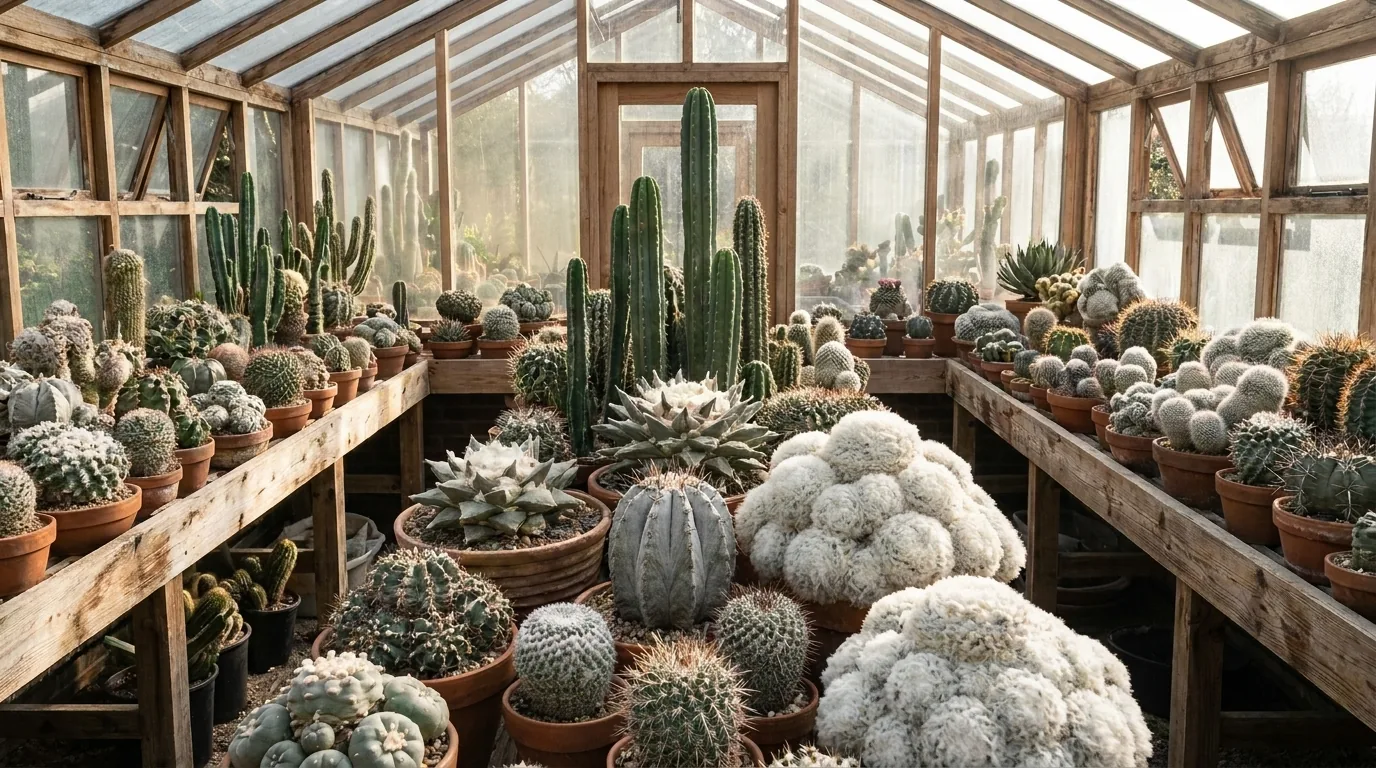
Use the chart to compare every type at a glance, then read down for what each growth form looks like and how to keep it alive.
| Type | Light | Water | Soil mineral : organic | Cold floor | Level |
|---|---|---|---|---|---|
| Living rockliving rock cactus · Ariocarpus | Bright, shade cloth | 10–14d, summerbone-dry winter | 95 : 5 | −12°C dry | Advanced |
| Star & geometricstar cactus · Astrophytum | Bright, shade cloth | 2–4 wks, Mar–Octdry Oct–Mar | 95 : 5 | −5°C dry | Intermediate |
| Barrel & ribbedbarrel cactus · Ferocactus | Full sun, 6–8h | 2–3 wksnear-dry winter | 95 : 5 | −7°C dry | Intermediate |
| Pincushionpincushion cactus · Mammillaria | Full sun | 10–14d, Mar–Sepbone-dry Oct–Feb | 95 : 5 | −5°C dry* | Intermediate |
| Hedgehograinbow cactus · Echinocereus | Full sun, 6–8h | 10–14d, Apr–Sepbone-dry Nov–Feb | 90 : 10 | −12°C dry** | Intermediate |
| Columnar & torchSan Pedro cactus · Echinopsis | Full to bright | Weekly, spring–autumndry Oct–Mar | 90 : 10 | −7°C dry | Beginner |
| Globular gemschin cactus · Gymnocalycium, Copiapoa | Bright to full | 2–5d, hot summerdry Nov–Feb | 85 : 15 | Above 10°C | Beginner |
| Living stonesnot cacti · Lithops | Full sun, 5–6h | Inverted, Sep–Aprbone-dry May–Aug | 95 : 5 | −2°C dry | Beginner |
The soil bar shows the mineral-to-organic split of our seed-grown mixes. *Southern pincushion species want a warmer 8–10°C minimum. **Claret cup hedgehogs harden to roughly −25°C when bone-dry.
What are the different types of cactus?
Collectors sort cactus by growth form, because shape is the fastest field clue to both identity and care. There are seven forms worth knowing, from the flat living rocks that sit flush with the soil to the tall torch cacti that drink through summer. Each one carries the genus we grow most of, the common name to search by, and the care the form demands.
Living rock and cryptic cacti
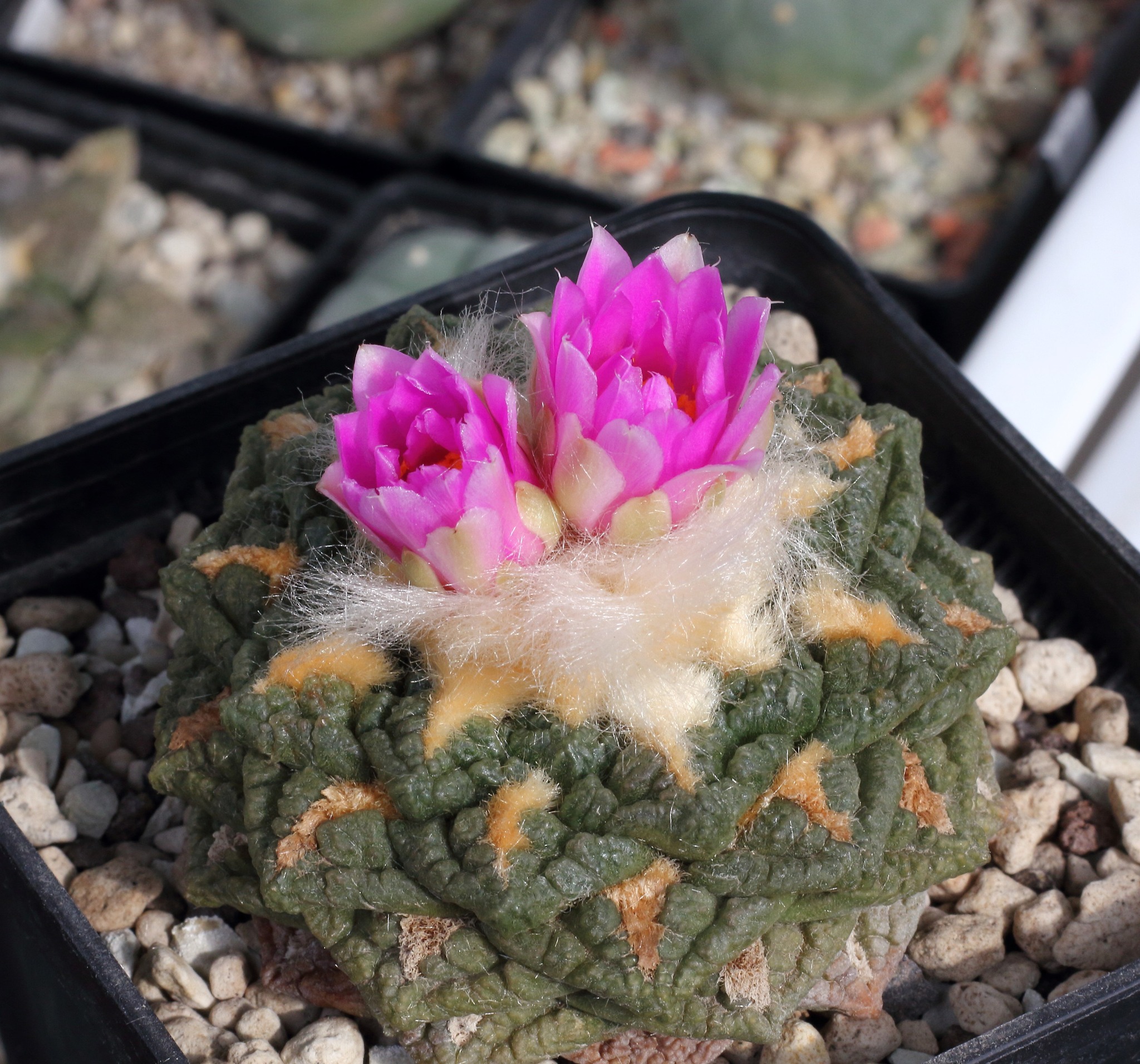
Living rock cacti press their bodies flat against the ground and mimic the surrounding stone, which is exactly why poachers and collectors prize them. Ariocarpus, Aztekium, Lophophora, and Turbinicarpus are the genera in this group, and they are the slowest, most exacting plants on the bench.
The living rock cactus wants strong light, but stretch a light shade cloth over it through high summer; under unfiltered sun the body goes dull and faded instead of the rich grey-green a collector wants. Keep it in a lean mix that runs about 5 percent organic to 95 percent mineral grit, and follow a hard rule: water only through the warm months, then keep it bone-dry through a long winter rest. It tolerates brief frost to roughly −12°C only when bone-dry; a wet root zone near freezing kills faster than deep cold ever will.
Star and geometric cacti
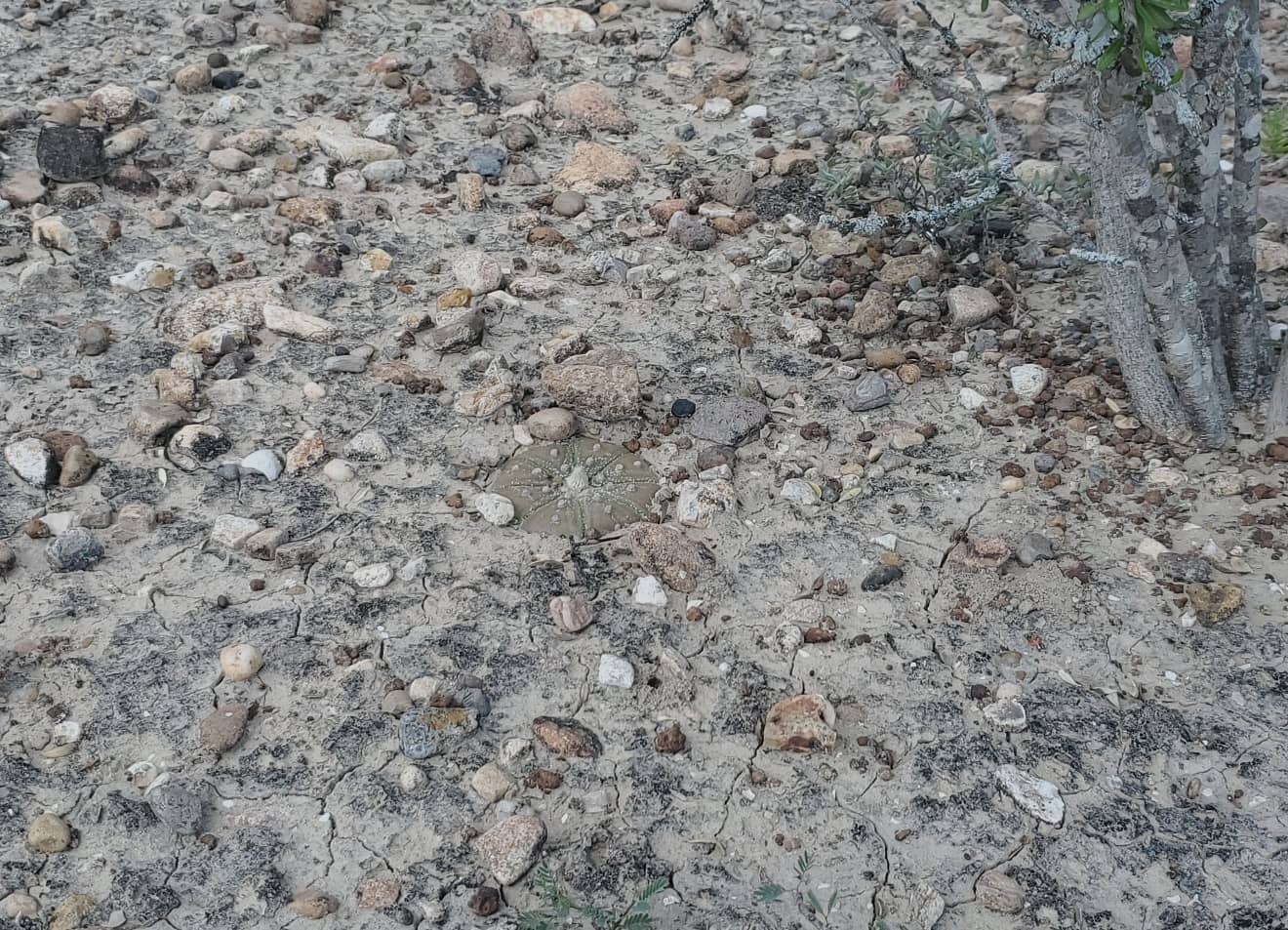
Star and geometric cacti are the ones people point to as the prettiest in the genus, flat-topped domes split into clean ribs and flecked with white scale. Astrophytum is the headline genus, and Leuchtenbergia sits nearby with the same geometric logic on long tubercles.
The star cactus takes strong light, but like the living rocks it colors best under a light shade cloth through the peak of summer rather than unfiltered sun. Water it every two to four weeks when the pot has gone fully dry from March to October, and keep a dry winter. It holds at −5°C dry but rots at the neck near 4°C if it is wet, so the winter dry-off is the whole game.
Barrel and ribbed cacti
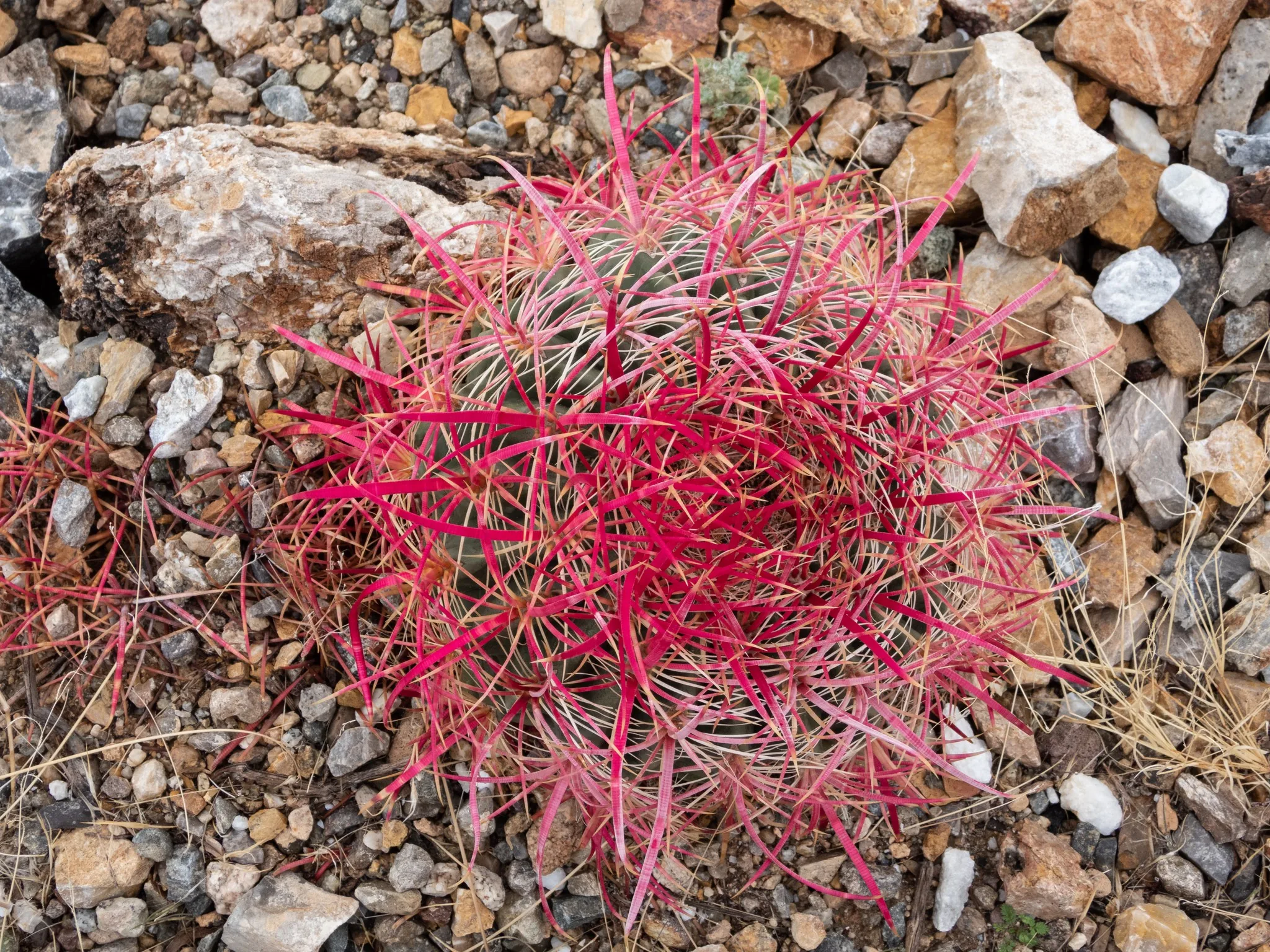
Barrel and ribbed cacti are the heavyweights, stout cylinders of deep ribs and serious spine. Ferocactus is the classic barrel; Thelocactus and the wavy-ribbed Stenocactus round out the group with smaller, more sculptural bodies.
A barrel cactus wants full sun for six to eight hours, water every two to three weeks in growth with a full dry-down between, and a nearly dry winter. Most take brief cold to about −7°C dry. Give them room: a barrel that looks slow for years can double once its roots fill a deep pot.
Pincushion and tubercled cacti
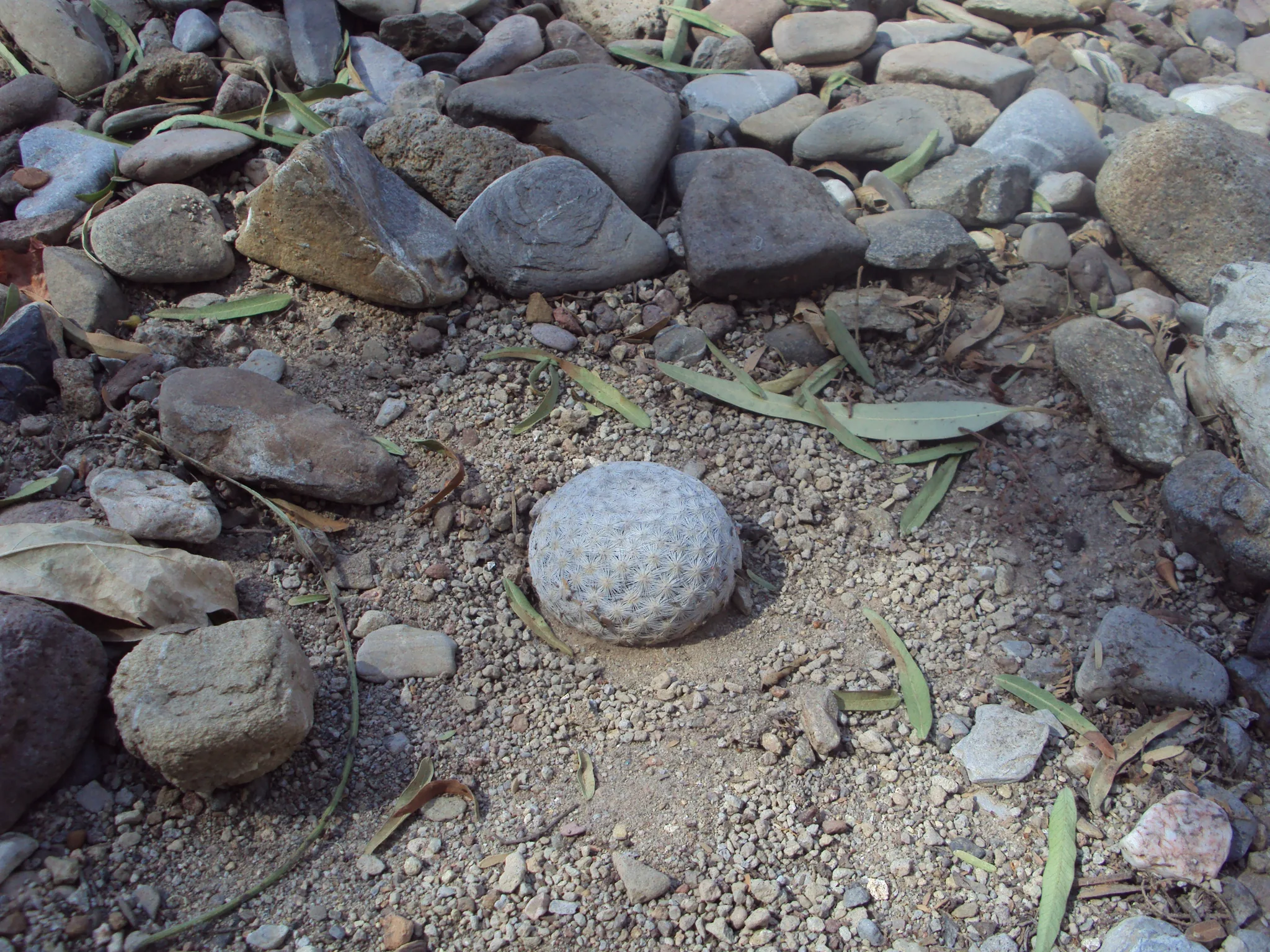
Pincushion cacti are the small, clustering, flower-ringed plants most growers start with. Mammillaria leads a large group that includes Coryphantha, Cochemiea, and the tiny button-like Epithelantha, all built on tubercles rather than continuous ribs.
A pincushion cactus takes full sun once acclimated, sparse water through the warm months with a full dry-out between, and a bone-dry rest from October to February. Cold tolerance splits hard inside the group: the northern limestone species shrug off −5°C dry, while the southern Oaxacan geophytes want a warmer 8 to 10°C minimum.
Hedgehog cacti
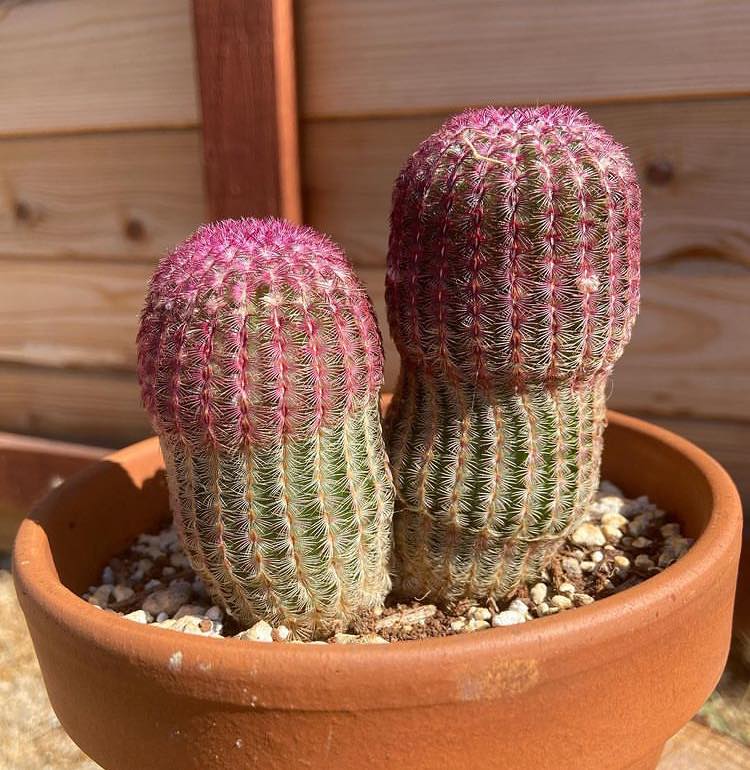
Hedgehog cacti are the short, banded columns that flower enormous for their size. Echinocereus is the genus, and it holds two of the most searched common names in the family: the rainbow cactus and the cold-hardy claret cup.
The rainbow cactus wants unobstructed full sun for six to eight hours, water every 10 to 14 days from April to September, and a bone-dry winter. The lime-hating species, including the rainbow cactus itself, take zero limestone and slightly acidic water. It holds to −12°C dry, and the claret cup hardens far lower, to roughly −25°C.
Columnar and torch cacti
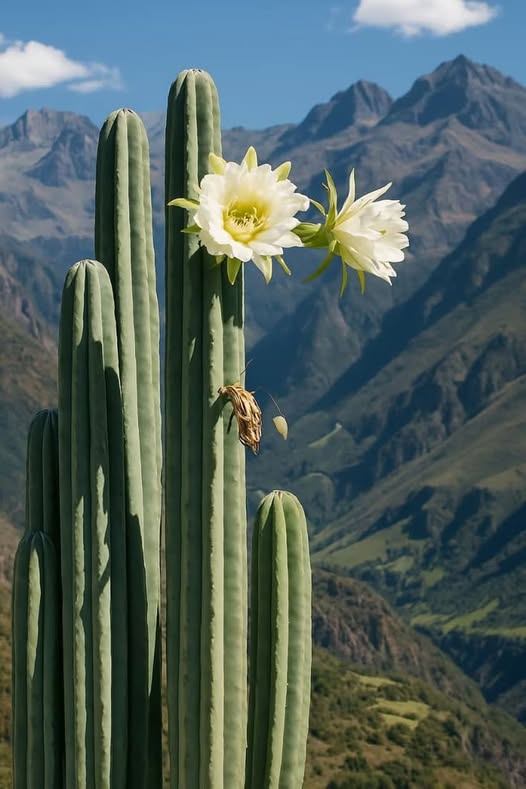
Columnar and torch cacti are the tall, fast growers that read least like the rest of the genus. Echinopsis, including the San Pedro group, is the anchor here, and it is the easiest entry point in this whole guide.
The San Pedro cactus takes full sun to bright filtered light, regular water through spring and summer, often weekly in warm weather, and a dry rest from October to March. A conservative cold floor is about −7°C dry. This is the type to hand a beginner: it grows visibly within a season and forgives most early mistakes.
South American globular gems
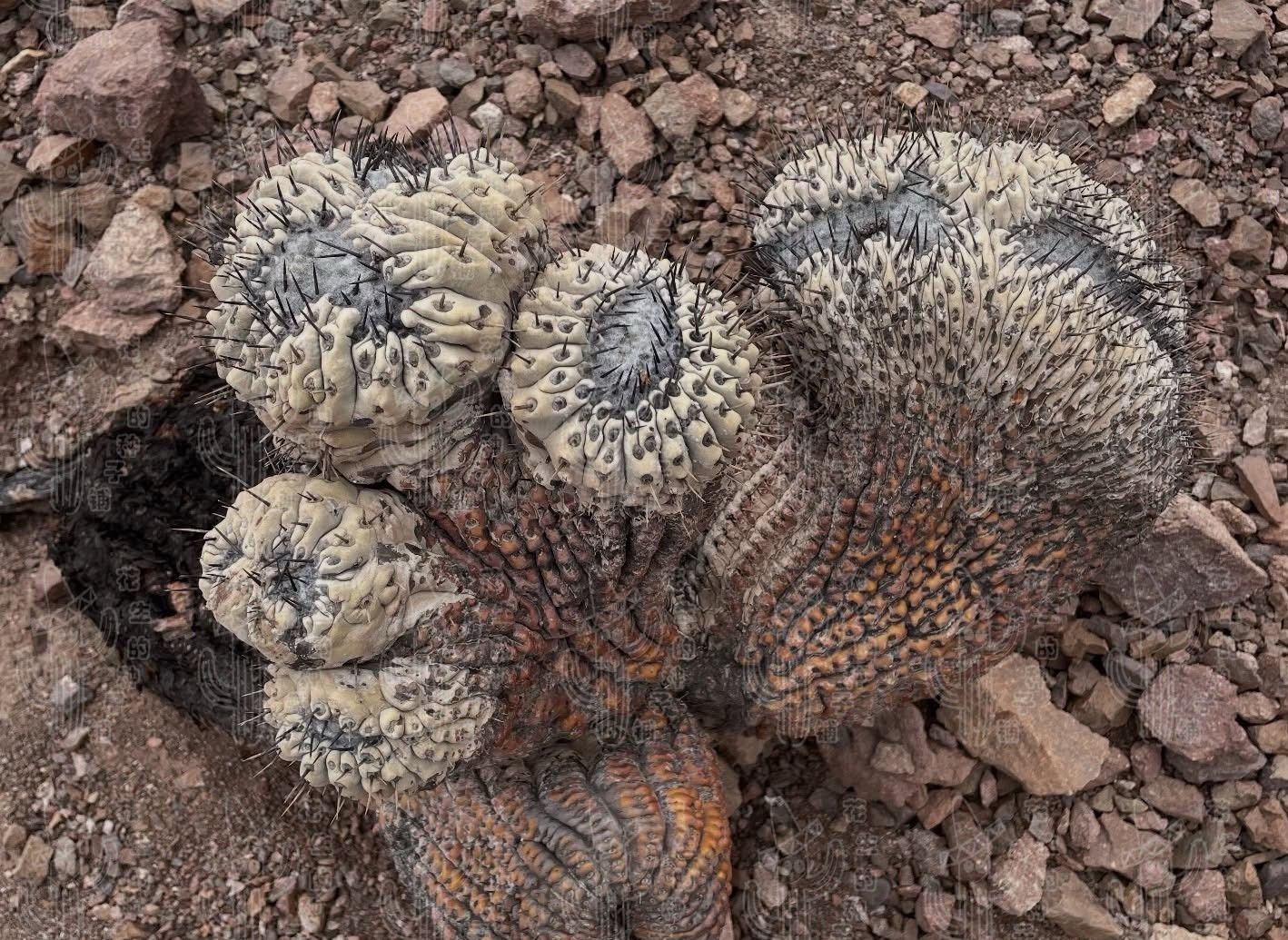
South American globular cacti are the rounded, often solitary gems from the dry side of the continent. Copiapoa carries the fog-fed Atacama survivors, while the chin cactus (Gymnocalycium) is one of the most forgiving plants a beginner can grow.
The two genera split on water. Chin cactus tolerates bright indirect light through to near full sun and takes frequent summer water, every two to five days in real heat, on a richer 15 percent organic mix. Copiapoa is the opposite, a fog drinker that wants a much drier near-mineral mix. Both keep a dry winter rest, and both prefer to stay above about 10°C.
How do you care for each type of cactus?
Cactus care is not one rule applied to every plant. It is three levers, light, water rhythm, and soil ratio, set differently for each growth form. Once you can read a cactus by its shape, the chart above tells you where to set each lever. Here is how to think about all three.
Light. Almost every cactus here wants full sun, but the lean matters. Barrel, hedgehog, and pincushion cacti take the strongest light you can give. Living rock and star cacti want a light summer shade cloth so they color up instead of bleaching dull and faded. Columnar and globular types accept bright filtered light and still grow well, which is part of why they suit a first-time grower.
Water rhythm. The single most useful habit is to water hard in the growing season and then stop completely for the winter rest. Most cacti grow in summer and rest dry in winter. The barrel, pincushion, and living rock types take this to the extreme with a long bone-dry rest. Torch cacti drink the most, often weekly in warm weather. The one true exception lives in the next section.
Soil ratio. Rare cacti want a sharp, mostly mineral mix, not bagged potting soil. Our baseline is about 90 percent mineral grit to 10 percent organic, and the leanest desert types run drier still at 95 to 5. We build mixes from pumice, lava, zeolite, granite grit, a little limestone where grower convention calls for it, and worm-casting organic. We use no perlite, no coarse sand, and no peat: perlite floats and washes out, sand compacts to concrete, and peat breaks down to airless mud that rots roots. By house convention, most living rocks and many pincushions get about 15 to 20 percent limestone and the rainbow cactus gets none; neither choice rests on a proven lime requirement or lime aversion. Hard tap water already supplies calcium and bicarbonate at every watering, while rainwater and RO water supply neither. Feed lightly, once or twice in the growing season, never in rest.
For the full per-genus picture, every type above links to its hub in the rare cactus encyclopedia, where each species carries its own substrate table, watering calendar, and cold floor.
Is it a cactus or a succulent?
All cacti are succulents, but not all succulents are cacti. The test is the areole, the small felted cushion that a cactus grows its spines and flowers from. If a plant has areoles it is a cactus; if it does not, it is some other succulent. The areole test is the one reliable way to tell them apart.
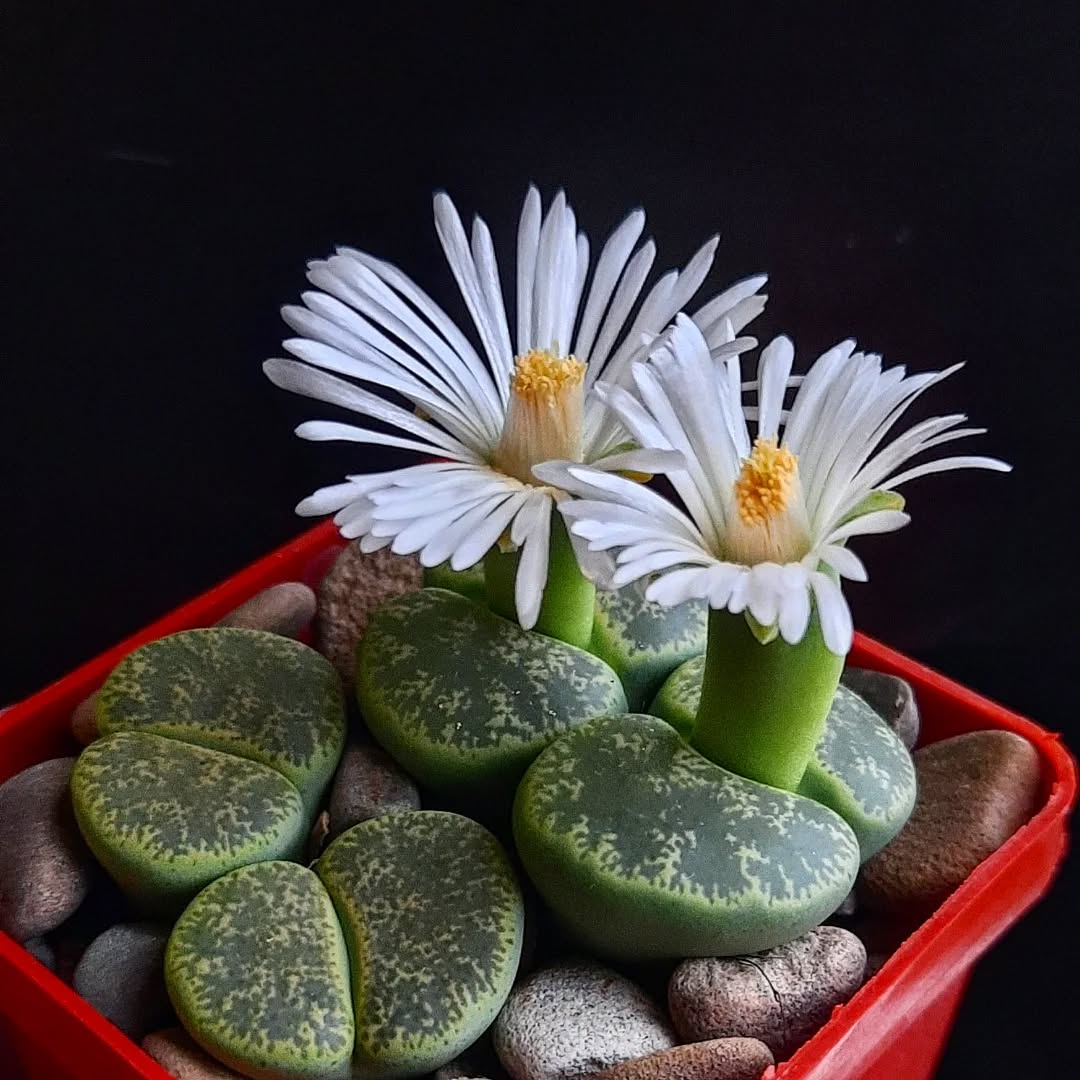
Living stones (Lithops)
Lithops, the living stones, are mesembs from the family Aizoaceae, and they break the cactus calendar entirely. They are winter growers: they wake and drink from autumn through spring, September to April, then rest bone-dry through summer. Water a Lithops on a cactus summer schedule and you rot it. They want a near-mineral 95 percent grit mix heavy in silica, full sun, and a dry floor near −2°C.
Pseudolithos, from the family Apocynaceae, is the other look-alike. It is not inverted like Lithops, but it carries its own hard rule: never water it below 23°C, because cool wet roots rot within hours. It keeps a near-mineral mix and a warm 10°C minimum. Neither plant is a cactus, which is exactly why the areole test matters before you decide how to water anything new. Not every true cactus is a desert plant, either: the forest-dwelling holiday cacti are the exception, which we cover in our guide to christmas cactus vs thanksgiving cactus.
Which types of cactus are easiest for beginners?
The easiest rare cacti for beginners are the types that grow fast and forgive a missed watering; the slow, exacting forms come later, once you trust your own hand. Growth form predicts difficulty almost as well as it predicts care.
Start here. Columnar and torch cacti like San Pedro are the most forgiving: they grow visibly in a single season, take regular water, and recover from early mistakes. The globular chin cactus is a close second, undemanding about light and happy with frequent summer water. Common pincushion cacti are a natural next step, small and free-flowering, though the rare collector species in this group ask for more care than their windowsill cousins.
Work up to these. Living rock cacti reward patience and punish overwatering; they grow so slowly that a single rot can erase years. The fog-fed Copiapoa wants a discipline around water that takes experience to feel. Save both for after you have killed nothing for a couple of seasons. Every plant we sell is grown from seed, which means it arrives already adapted to a sharp mineral mix rather than the soft nursery soil that sets new growers up to fail.
Frequently Asked Questions
What are the main types of cactus?
Collectors group cactus by growth form: living rock and cryptic miniatures, star and geometric cacti, barrel and ribbed cacti, pincushion cacti, hedgehog cacti, columnar and torch cacti, and South American globular gems. Shape is the fastest clue to both identity and the care a plant needs.
How do you care for different types of cactus?
Care follows growth form, not one rule. Living rock and barrel cacti want a lean, gritty mineral mix and a bone-dry winter rest, while columnar torch cacti take much more water and a slightly richer mix through summer. Pincushion and hedgehog cacti sit in between with full sun and moderate watering.
What is the difference between a cactus and a succulent?
All cacti are succulents, but not all succulents are cacti. A true cactus has areoles, the felted cushions that spines and flowers grow from, which is why Lithops and Pseudolithos are succulents but not cacti.
Why do Lithops grow in winter when most cactus are resting?
Lithops are winter growers whose active and dormant seasons are inverted from most cactus. They drink from autumn through spring and stay bone-dry through summer, so watering them on a cactus summer schedule is the fastest way to rot them.
How can I tell what kind of cactus I have?
Identify by growth form first: is it a flat rock, a star, a barrel, a pincushion ball, a banded hedgehog, or a tall column? Then confirm with the spine pattern and where the flowers open. The growth form alone tells you most of what its care needs to be.
Kew Plants of the World Online (POWO), Cactaceae and Aizoaceae names · Anderson, E.F., The Cactus Family (Timber Press) · Hunt, D., The New Cactus Lexicon (DH Books) · IUCN Red List, Cactaceae assessments · IUCN Cactus and Succulent Plants Specialist Group · Schulz & Kapitany, Copiapoa · Cole & Cole, Lithops: Flowering Stones · rarecactus.com seed-grown greenhouse substrate records and per-genus cultivation data · CITES Appendices I and II (Ariocarpus, Astrophytum asterias, Turbinicarpus, Lophophora)