Top 10 Universities for Botany and Plant Biology in the United States
All Articles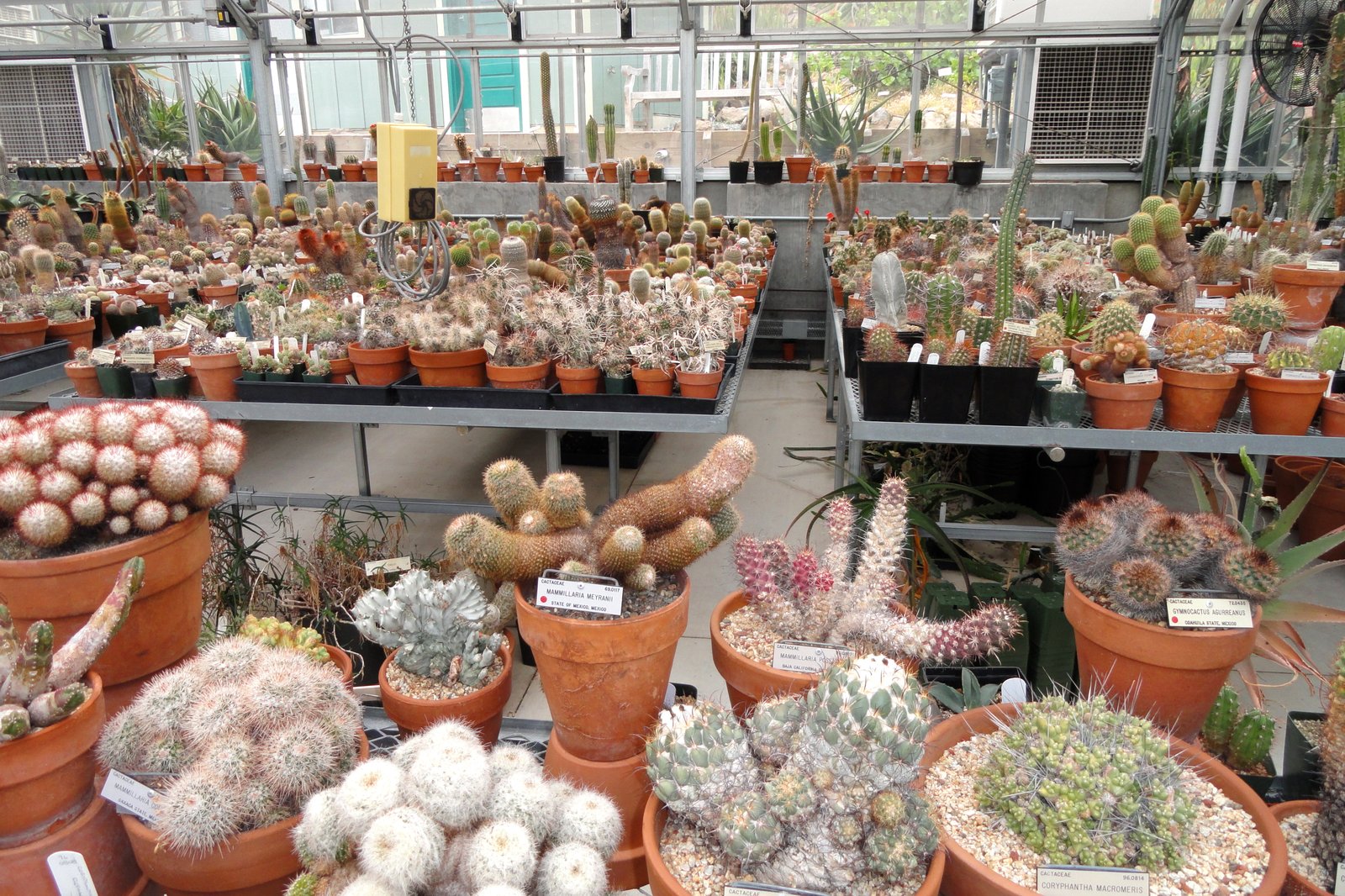
The United States produces roughly 700 botany and plant biology graduates each year. That number has held steady for two decades while other life sciences expanded dramatically. The field is small, the people in it know each other, and the programs that train them vary enormously in focus, facilities, and outcomes.
If you grow rare cacti from seed, debate taxonomy on forums, or keep a greenhouse full of plants that most nurseries refuse to stock, you already know more about plant morphology and cultivation than the average biology undergrad. A formal program converts that knowledge into something more powerful: herbarium access, collecting permits, molecular phylogenetics training, and the credentials that unlock careers in conservation, research, and botanical garden leadership.
This ranking evaluates programs through a specific lens: plant diversity research, living collections, herbarium depth, and arid-plant specialization. Generic rankings measure graduation rates and alumni earnings. This one asks whether you will have access to a serious collection, world-class greenhouses, and faculty who publish on the plants you care about.
What Can You Do With a Botany Degree?
Plant science careers split across four major tracks, each with distinct entry points and salary trajectories.
Government and agency work. The USDA Forest Service, U.S. Fish and Wildlife Service, Bureau of Land Management, and National Park Service collectively employ thousands of field botanists. Rare plant surveys, Endangered Species Act compliance, and habitat conservation plans drive the demand. Entry-level positions (GS-5 to GS-7) pay $40,000 to $55,000; mid-career scientists and managers reach GS-12+ at $85,000 to $130,000.
Academic research. University faculty, herbarium directorships, and botanical garden research positions require a PhD. The pipeline is narrow but well-compensated at senior levels. Molecular phylogenetics, conservation genetics, and systematic botany are the strongest hiring areas.
Conservation and consulting. Environmental consulting firms hire botanists for NEPA surveys, wetland delineation, ecological restoration, and rare plant monitoring. Conservation biologists run reintroduction programs and ex situ seed banking operations. Demand is steady and growing.
Applied science and industry. Plant genetics and crop improvement, pharmaceutical natural-product screening, and agricultural biotechnology absorb a growing share of graduates. CAM photosynthesis research (the metabolic pathway that lets cacti survive arid conditions) has applications in drought-tolerant crop development.
The Bureau of Labor Statistics projects 6% growth for agricultural and food scientists through 2034 (median salary $78,770) and 4% growth for environmental scientists ($80,060 median). Both outpace the national average. The constraint is not job availability; it is the declining number of programs producing trained botanists.
How did we rank these botany programs?
Programs were evaluated on six criteria: research output in plant systematics and ecology, herbarium and living-collection depth, greenhouse and field-station infrastructure, graduate program strength, faculty expertise in Cactaceae or desert botany, and documented career outcomes. We weighted facilities and active research more heavily than program size or institutional prestige. A small program with a 1.2-million-specimen herbarium and active cactus taxonomists ranked above a large program with a famous name and limited living collections.
| Rank | University | Herbarium | Key Facility | Cactaceae Focus |
|---|---|---|---|---|
| 1 | University of Arizona | ~450,000 | Desert Lab, Tumamoc Hill (860 acres) | High |
| 2 | Arizona State / Desert Botanical Garden | 315,000+ | Desert Botanical Garden (140 acres) | High |
| 3 | University of Texas at Austin | 1,000,000+ | Turner Plant Resources Center | High |
| 4 | UC Berkeley | 2,200,000+ | UC Botanical Garden (34 acres) | Moderate |
| 5 | University of Florida | ~500,000 | Florida Museum of Natural History | High |
| 6 | UW-Madison | 1,370,000 | Botany Greenhouse (8,000 sq ft) | Moderate |
| 7 | Northwestern / Chicago Botanic Garden | 14,000+ | Rice Conservation Science Center | Conservation |
| 8 | Harvard University | 5,000,000+ | Arnold Arboretum (281 acres) | Limited |
| 9 | Claremont / California Botanic Garden | 1,200,000+ | 86-acre native plant garden | Moderate |
| 10 | UC Davis | 300,000+ | Botanical Conservatory (3,600 sq ft) | Moderate |
1. University of Arizona
School of Plant Sciences, Tucson, AZ
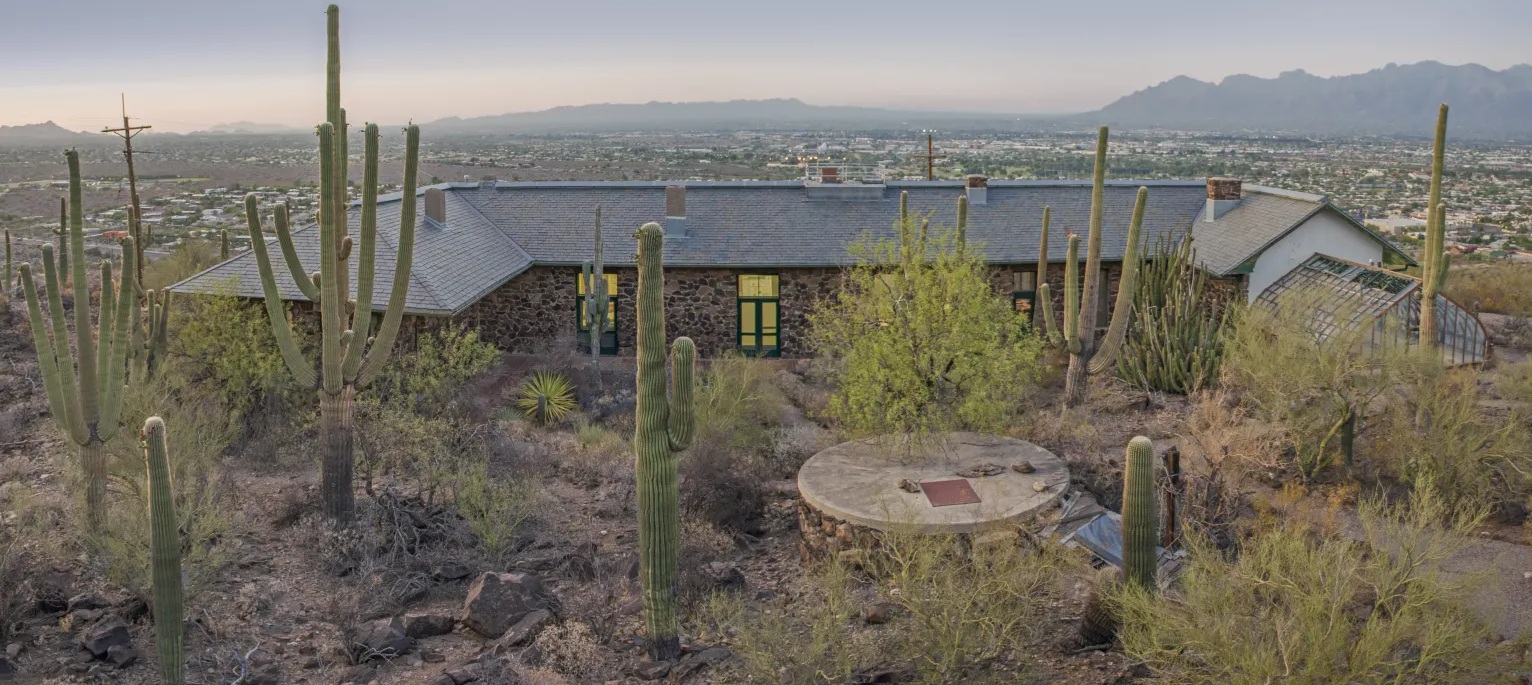
No university in the country can match the University of Arizona’s daily proximity to wild Cactaceae. The School of Plant Sciences sits in Tucson, in the heart of the Sonoran Desert, the most biodiverse desert in North America. Roughly 140 native cactus species grow within driving distance of campus. Students here do not study desert plants from a distance. They walk into them.
The university operates the Desert Laboratory on Tumamoc Hill, an 860-acre ecological preserve with the longest-running vegetation monitoring plots on Earth, active continuously since 1906. The saguaro demographic study has tracked 5,280 individually tagged Carnegiea gigantea since 1964. The University of Arizona Herbarium holds nearly 450,000 specimens with exceptional depth in Sonoran Desert and Sky Island flora.
The Controlled Environment Agricultural Center pushes research into arid-adapted crop production, and the campus itself grows boojum trees and columnar cacti in open ground. For anyone serious about desert plant science, this is the starting line.
2. Arizona State University and the Desert Botanical Garden
School of Life Sciences + Desert Botanical Garden, Tempe/Phoenix, AZ
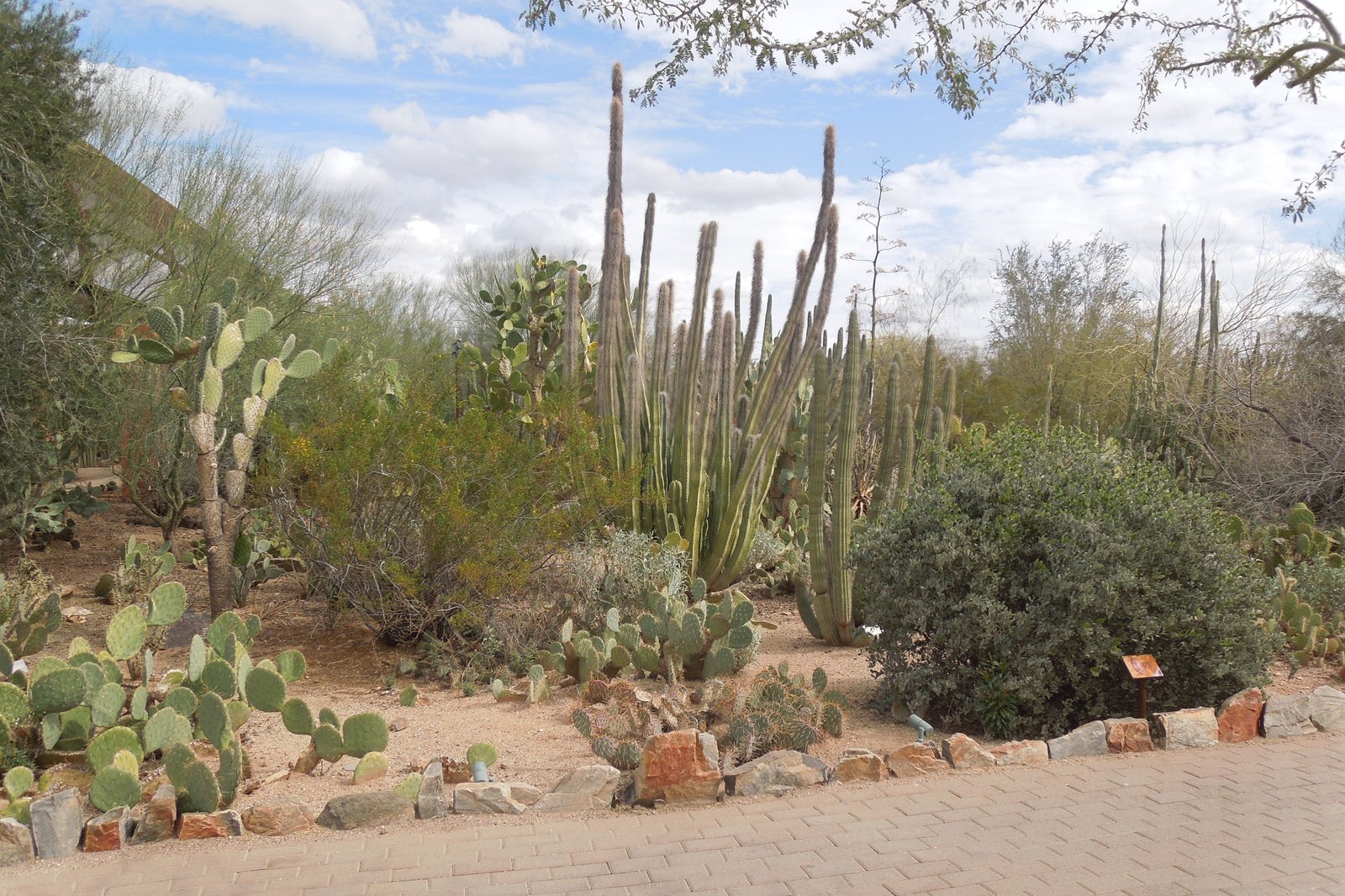
Arizona State runs the only joint master’s program in the Southwest that pairs a research university with a world-class botanical garden. Students split time between ASU’s School of Life Sciences and the 140-acre Desert Botanical Garden in Phoenix. The arrangement provides access to 13,973 accessioned cacti across 1,320 taxa, 4,026 agaves in 248 taxa, and 379 documented rare, threatened, or endangered species.
The ASU Vascular Plant Herbarium holds over 315,000 specimens, including more than 1,100 Cactaceae chromosome counts. Faculty research touches genera that collectors follow closely. Martin Wojciechowski publishes on Cactaceae phylogenetics, and the garden’s Dryland Plant Ecophysiology Lab studies the genomics of genera including Astrophytum and Lophophora. ASU researchers contributed to the saguaro genome sequencing published in 2017.
The Conservation and Land Management internship program at the garden has placed nearly 1,650 young professionals into conservation careers since 2001. That pipeline alone justifies the ranking.
3. University of Texas at Austin
Department of Integrative Biology, Austin, TX
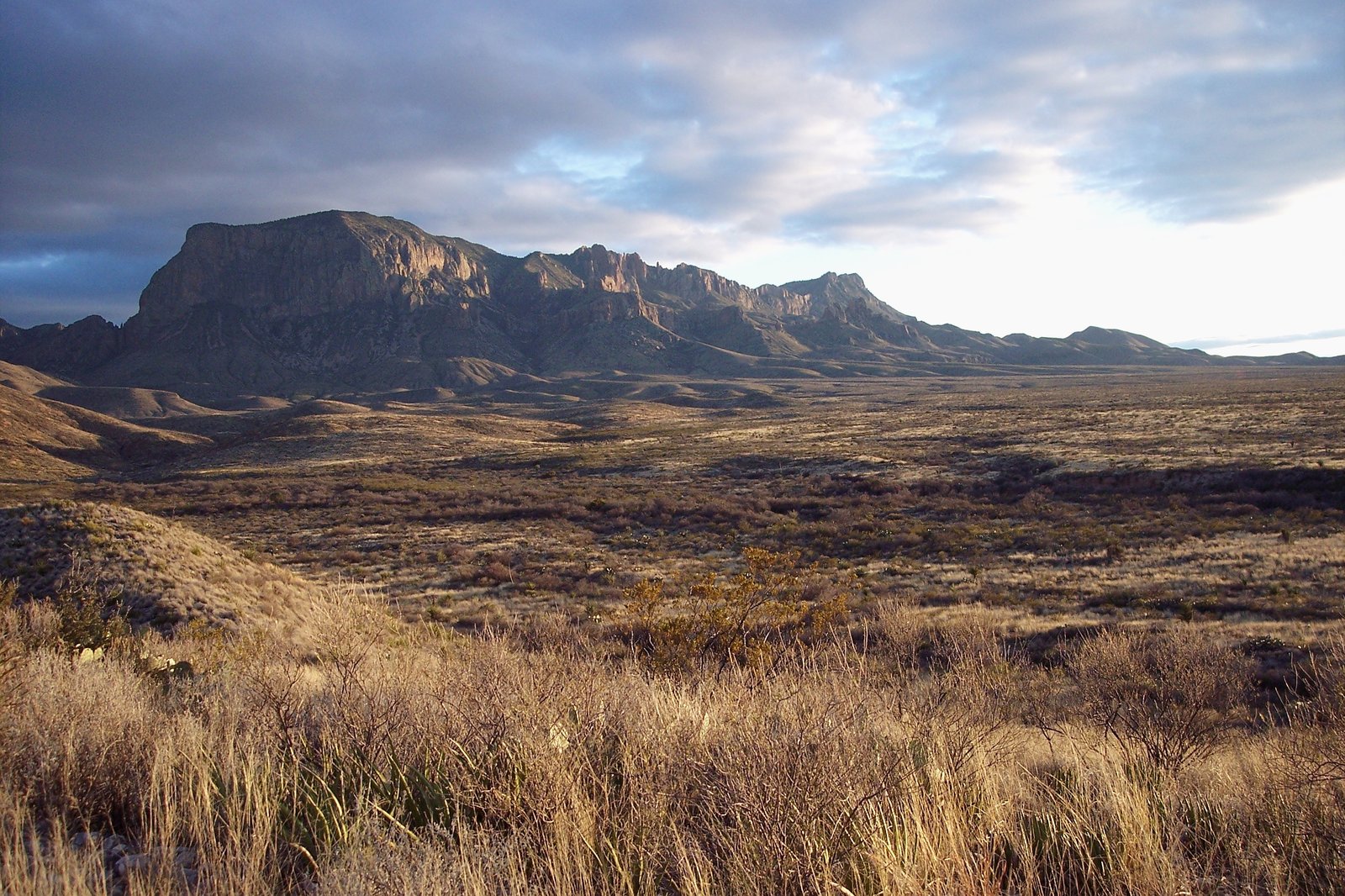
James D. Mauseth spent over 40 years at UT Austin producing foundational research on cactus structural anatomy. His work on cortical bundles, wood anatomy, tubercle vasculature, and spine development established the framework that every subsequent Cactaceae anatomist builds on. Mauseth retired in 2017 as Professor Emeritus, but his textbooks (Plant Anatomy, Botany: An Introduction to Plant Biology) remain standard references.
The Billie L. Turner Plant Resources Center holds over one million specimens, ranking fifth among U.S. university herbaria. The collection runs deep in Chihuahuan Desert flora, covering the ranges where genera like Ariocarpus and Turbinicarpus grow wild across northern Mexico and South Texas.
Brackenridge Field Laboratory adds 82 acres and nine greenhouses. The Texas Field Station Network provides additional access across the state’s full ecological gradient.
4. University of California, Berkeley
Department of Plant and Microbial Biology, Berkeley, CA
The University and Jepson Herbaria hold over 2.2 million specimens, the largest botanical collection at any public university in the United States. For molecular systematics, floristics, or revisionary taxonomy, this is as deep a resource as exists outside the Smithsonian and New York Botanical Garden.
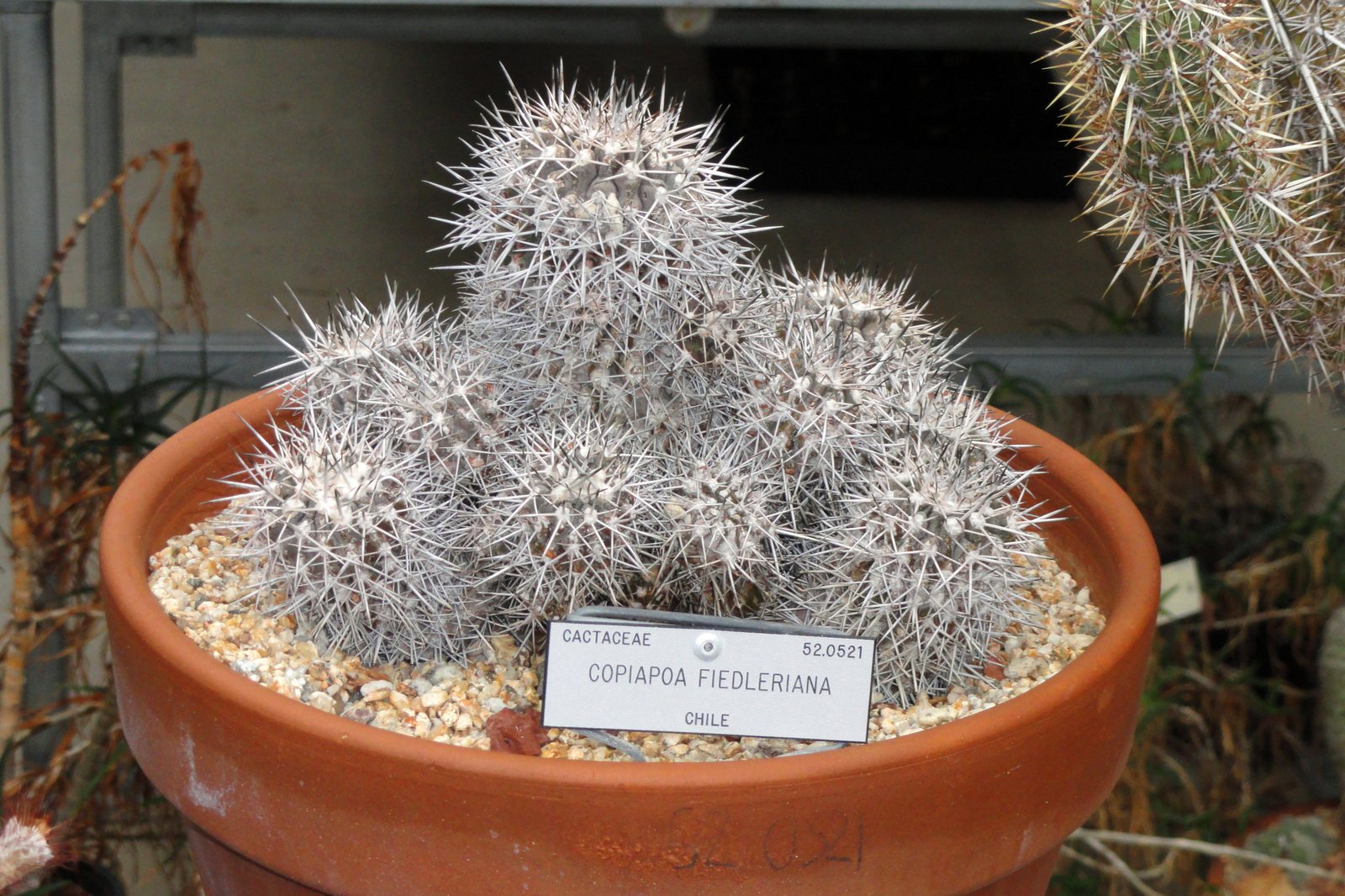
The UC Botanical Garden spans 34 acres in Strawberry Canyon with over 10,000 plant taxa. The Arid House holds 2,500+ plants, 350 of them endangered species, with a collection dating to the 1920s. Many specimens were grown from seed collected on original field expeditions, giving the provenance data unusual depth. Research on fog-dependent desert plants, including Chilean genera like Copiapoa, benefits from California’s coastal fog belt as a natural analogue.
Brent Mishler directs both herbaria and drives plant systematics and phylogenetics research. The Jepson Flora Project is the authoritative reference for California plant identification, and UC’s Natural Reserve System (41 reserves statewide, including desert sites) adds field capacity that few competitors match.
5. University of Florida
Department of Biology / Florida Museum of Natural History, Gainesville, FL
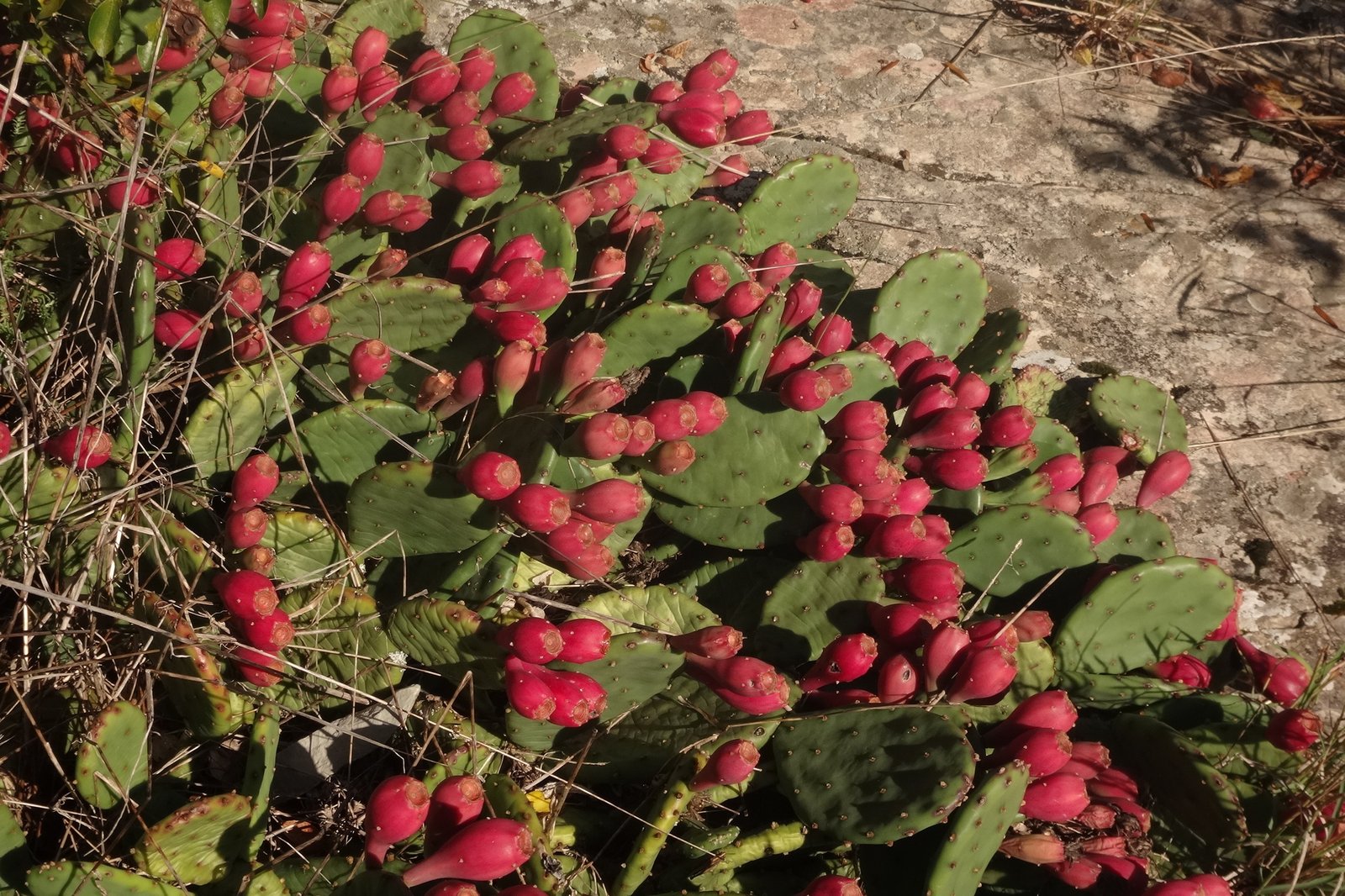
Lucas C. Majure is the most active Cactaceae systematist at a U.S. university today. As Curator of the UF Herbarium and researcher at the Florida Museum of Natural History, Majure publishes taxonomic revisions of Opuntia, phylogenies of prickly pear lineages across the Americas, and ongoing work on Greater Antilles cactus floras. National Geographic named him an Explorer in 2017 for his research on Cuban cactus diversity.
Pamela Soltis and Douglas Soltis, both Distinguished Professors at the Florida Museum, operate a molecular phylogenetics lab that has contributed directly to Cactaceae phylogeny, including Opuntia clade delineation. Their lab has produced dozens of professors and research scientists.
The herbarium holds roughly 500,000 specimens, established in 1891. Florida may not look like cactus country, but this is where the phylogenetic trees that reshape cactus classification get built.
6. University of Wisconsin-Madison
Department of Botany, Madison, WI
Wisconsin-Madison maintains a standalone Department of Botany. That distinction matters: most universities have folded botany into broader biology departments. A dedicated department means dedicated faculty lines, graduate admissions focused on plant science, and a curriculum built around botanical training.
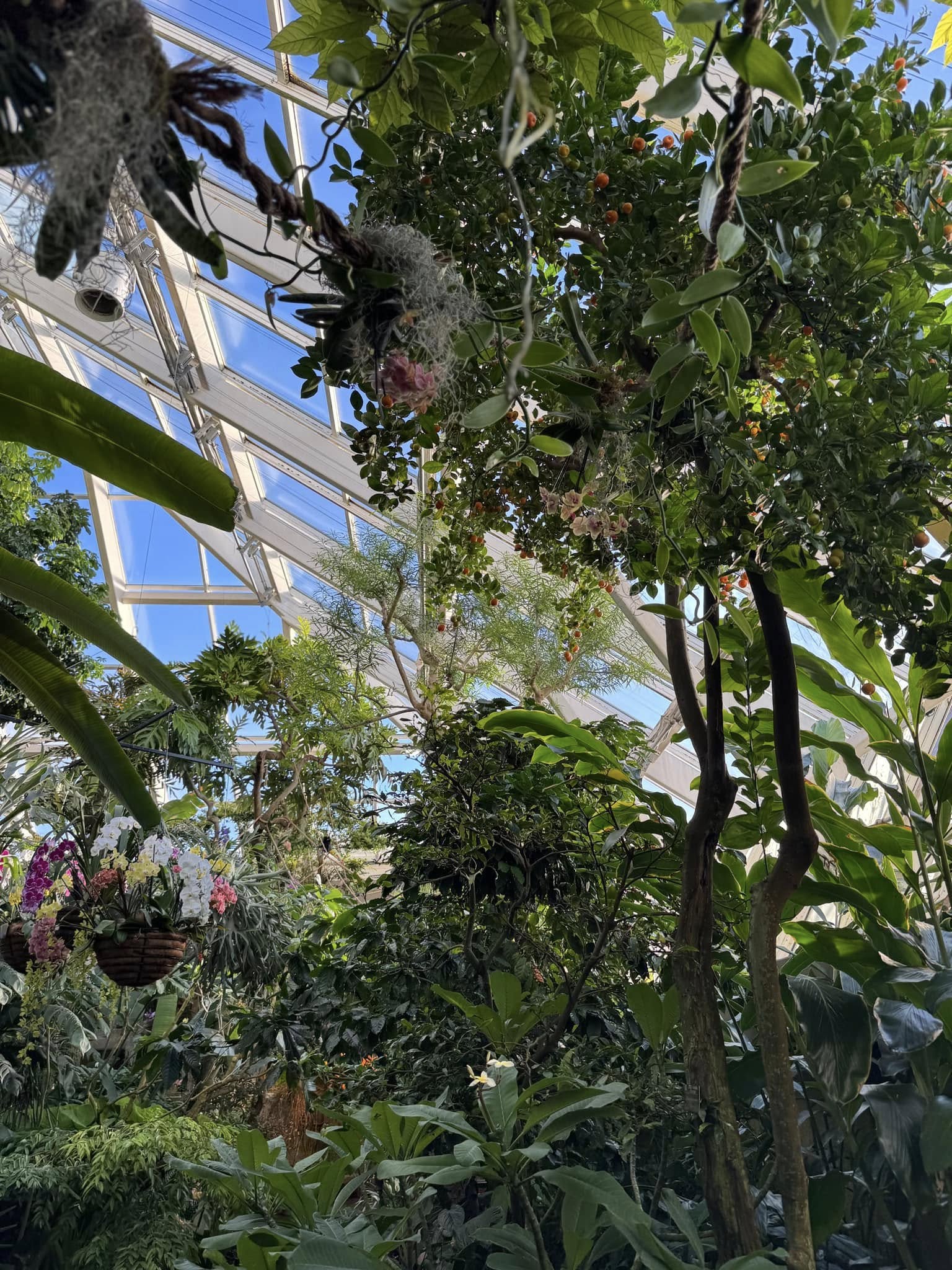
The Wisconsin State Herbarium holds 1.37 million specimens. Kenneth Cameron directs the collection and publishes on orchid and Cactaceae systematics. The Botany Greenhouse covers 8,000 square feet across 11 climate zones, including a dedicated desert room with living cacti and succulents representing genera like Gymnocalycium and Mammillaria.
The Botany Garden (1.3 acres) was the first in the world organized by the APG IV molecular classification system. The nearby Olbrich Botanical Gardens houses the 10,000-square-foot Bolz Conservatory, a glass pyramid rising 50 feet at its apex with 750+ tropical and subtropical species.
7. Northwestern University and the Chicago Botanic Garden
Program in Plant Biology and Conservation, Evanston/Glencoe, IL
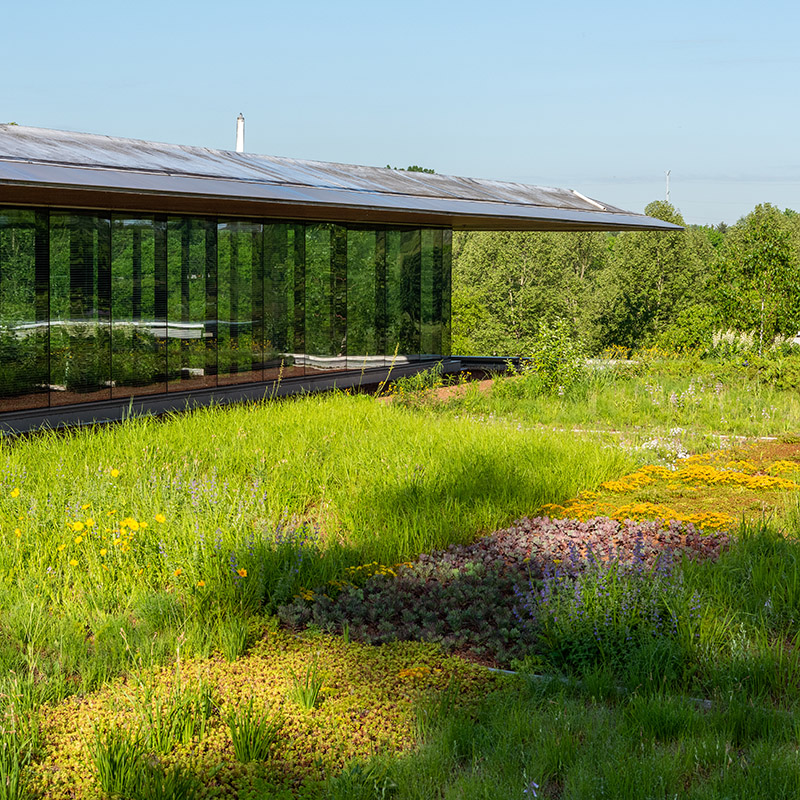
Northwestern’s joint program with the 385-acre Chicago Botanic Garden is built on a single premise: conservation biology works best when researchers train inside a world-class living collection. Students earn degrees through Northwestern while conducting research at the garden’s Daniel F. and Ada L. Rice Plant Conservation Science Center, a 38,000-square-foot facility housing over 200 scientists, research associates, and students.
The program excels at conservation career placement. The Conservation and Land Management internship has trained nearly 1,650 young professionals since 2001, feeding directly into USDA Forest Service, U.S. Fish and Wildlife Service, and state natural heritage programs. For students drawn to the conservation side of rare cacti (IUCN assessments, CITES authority work, ex situ seed banking for threatened genera like Turbinicarpus and Aztekium), this program builds the exact skill set those roles require.
The garden holds 2.7 million plants across 27 display gardens. Jeremie Fant leads conservation genetics; Andrea Kramer directs seed banking. The emphasis is applied conservation, not pure taxonomy.
8. Harvard University
Department of Organismic and Evolutionary Biology / Arnold Arboretum, Cambridge, MA
The Harvard University Herbaria hold over five million specimens across six collections, the largest herbarium at any university in the world and third largest in the United States. Type specimens from 19th-century collecting expeditions sit in these cabinets. For anyone pursuing systematic botany or historical taxonomy, this depth is unmatched.
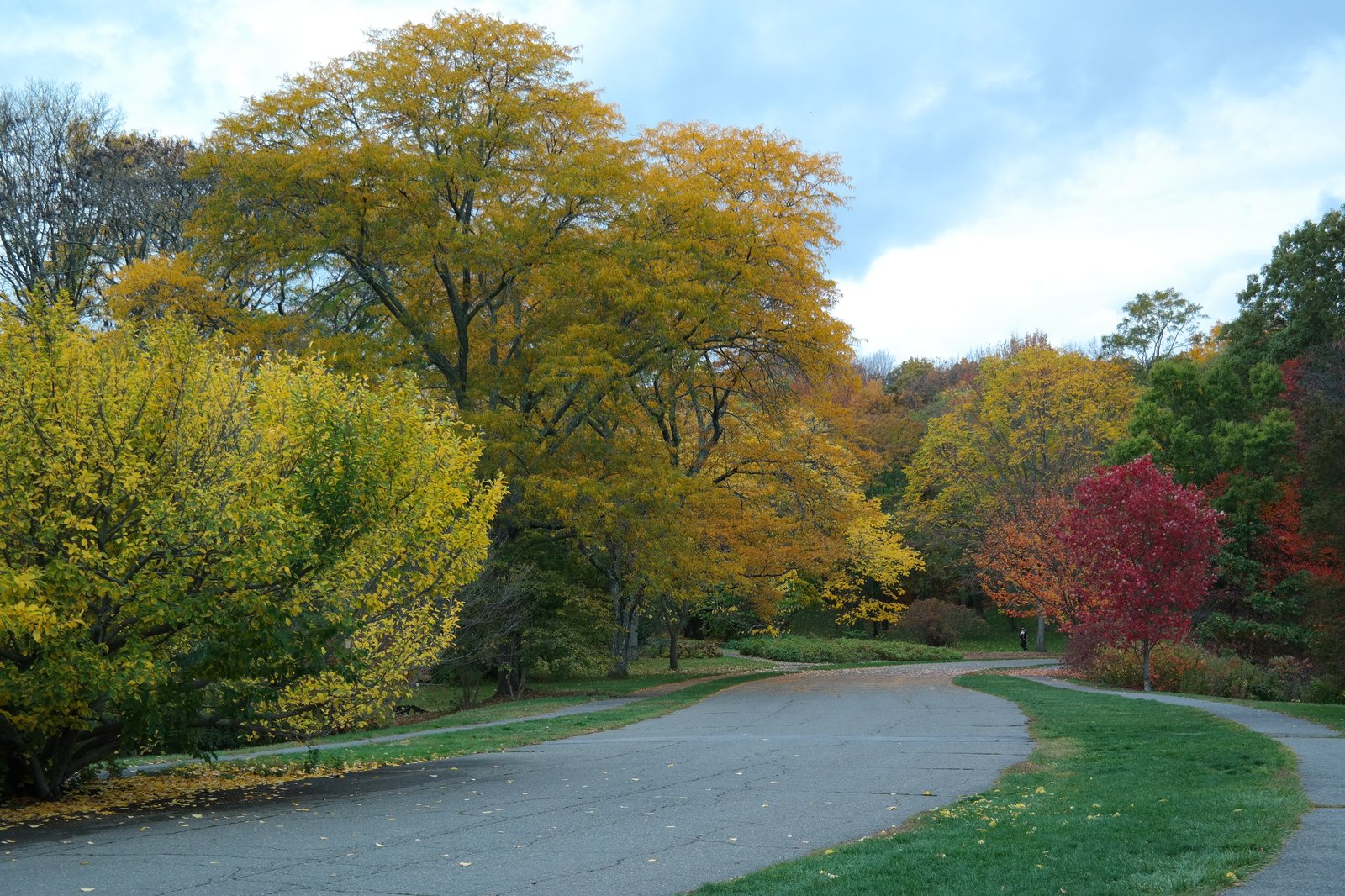
The Arnold Arboretum, founded in 1872, covers 281 acres in Jamaica Plain. Frederick Law Olmsted designed the landscape as part of Boston’s Emerald Necklace park system. It is the oldest public arboretum in North America, maintaining 16,000+ living plants across 10,000+ accessions. The Weld Hill Research Building (45,000 sq. ft., opened 2011) adds 12 greenhouses and modern molecular labs.
Harvard’s direct cactus research is limited; the strength lies in temperate woody flora, tropical ecology, and molecular evolution. But the herbaria, the historical botanical library, and the academic network make it a strong choice for students building careers at the intersection of systematics and institutional leadership.
9. Claremont Graduate University and the California Botanic Garden
Botany Graduate Program, Claremont, CA
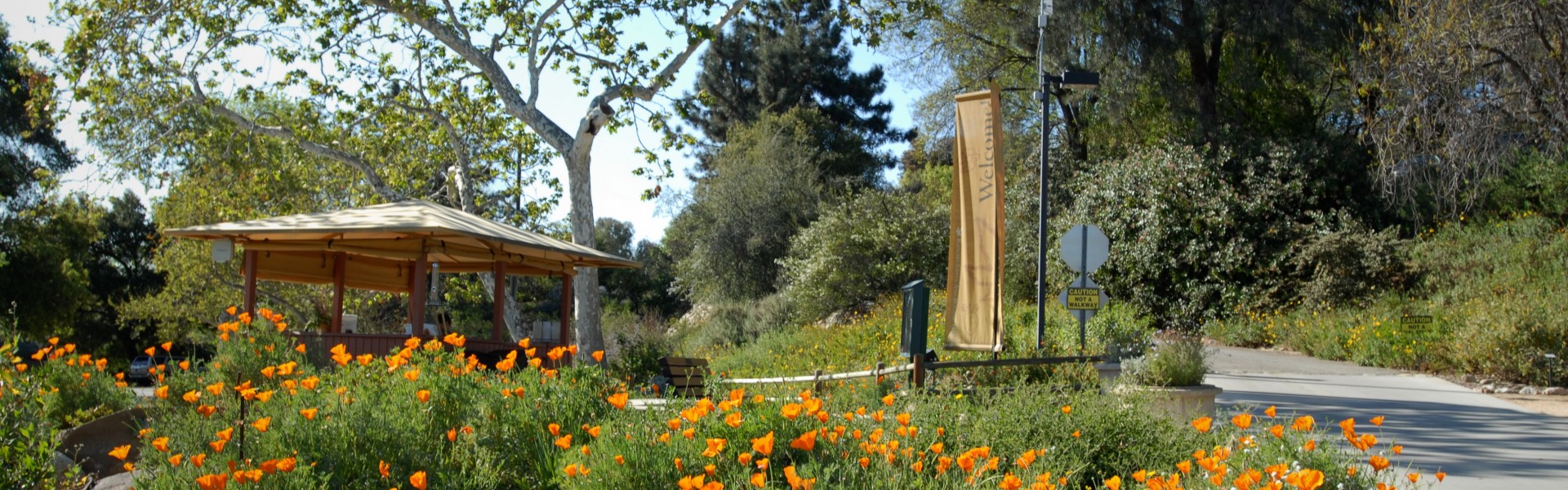
The California Botanic Garden (formerly Rancho Santa Ana) is the largest botanic garden in the United States dedicated exclusively to California native plants. The 86-acre site at the base of the San Gabriel foothills grows over 2,000 taxa across native plant communities from desert to coastal sage scrub. Southern California’s native flora includes meaningful cactus diversity: Cylindropuntia, Opuntia, Ferocactus, Echinocereus, and Mammillaria.
The RSA-POM Herbarium holds over 1.2 million specimens (10th largest in the U.S.) and houses the largest collection of Southern California plants in the world. For systematic botany of western North American flora, this collection is unmatched at its scale.
The graduate program enrolls 10 to 15 students at any given time. That scale means direct faculty access, collection time, and greenhouse space that students at larger programs rarely get. The trade-off is a narrower alumni network.
10. University of California, Davis
Departments of Plant Biology and Plant Sciences, Davis, CA
UC Davis fields over 80 faculty across Plant Biology and Plant Sciences, creating the densest concentration of plant researchers at any university in the country. The breadth is the selling point: molecular biology, genomics, crop improvement, CAM photosynthesis, environmental plant science, and agricultural applications all run simultaneously.
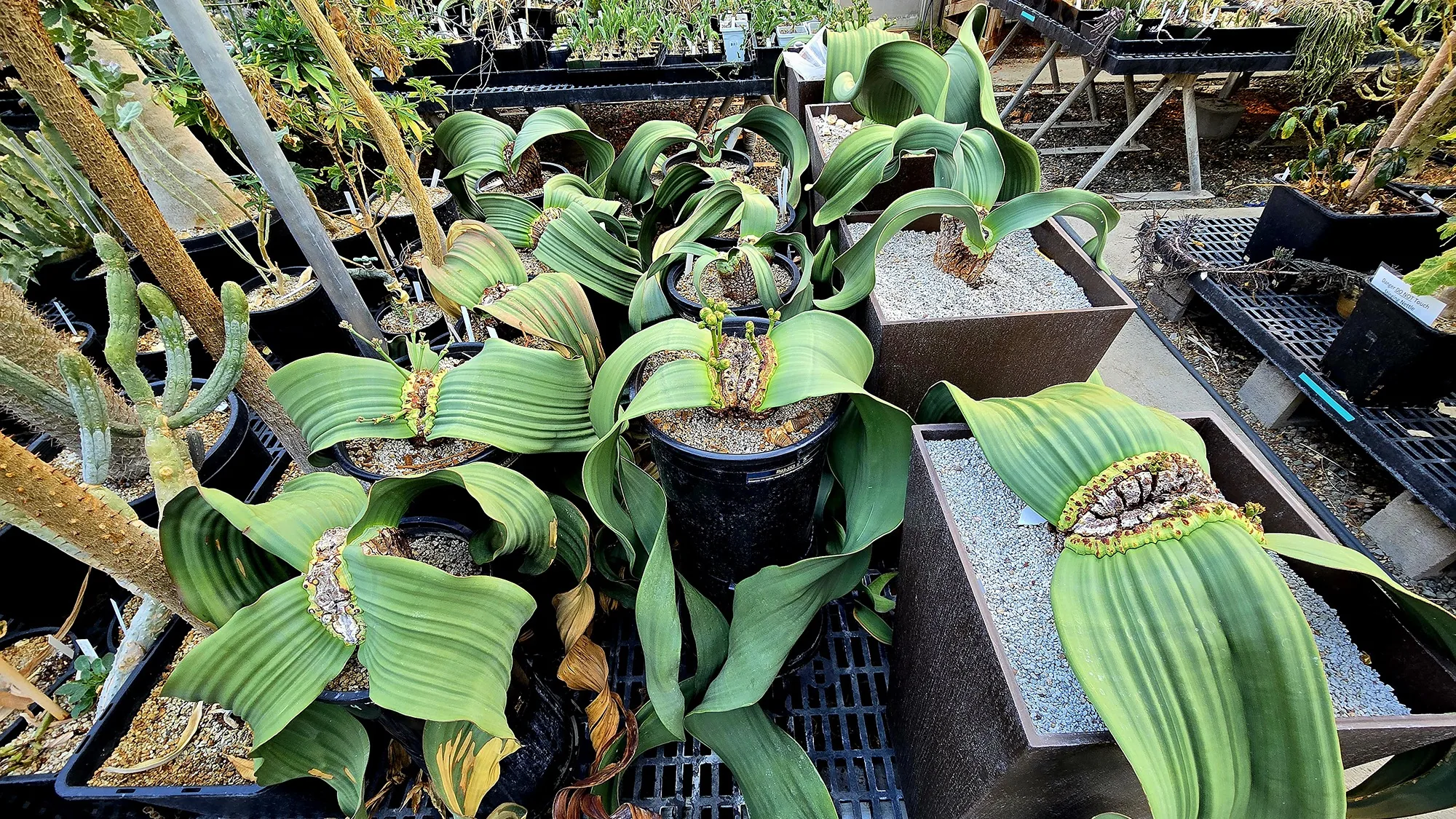
The UC Davis Botanical Conservatory houses 4,000+ species in a 3,600-square-foot greenhouse behind Storer Hall. The dedicated arid room grows cacti, euphorbias, and island succulents including Socotra endemics like Dendrosicyos socotranus and Dorstenia gigas. The UC Davis Arboretum and Public Garden spans 100 acres along Putah Creek with free 24/7 public access.
For students oriented toward applied plant science, agricultural biotechnology, or crop genomics, Davis is the strongest program on this list. Research on CAM photosynthesis (the metabolic pathway that allows cacti like Echinopsis and other arid-adapted species to fix carbon at night) is a significant focus area. Its proximity to California’s agricultural industry creates career pathways that more theoretical programs cannot match.
What should you look for in a botany program?
Evaluate programs on four things.
A strong botany program starts with its collections. A strong herbarium (500,000+ specimens) and living greenhouse collections give you research material that no textbook replaces. Ask how many specimens the herbarium holds and whether graduate students have direct cabinet access.
Field access. Programs near ecologically rich sites (deserts, tropical forests, sky islands) provide hands-on research that lab-only programs cannot. Field stations and botanical garden partnerships multiply the value.
Faculty alignment. A program with 80 plant scientists is useless if none study the taxa you care about. Read publication lists before applying. If you want to study Copiapoa fog ecology, a program with Chilean fieldwork tradition matters more than a program ranked #1 by U.S. News.
Funding. Most PhD programs in plant biology offer tuition waivers and stipends ($25,000 to $35,000 per year at R1 universities). Master’s programs vary widely. Ask about funding before applying.
For a deeper look at the genera referenced throughout this article, browse the Rare Cactus Encyclopedia.
Frequently Asked Questions
What is the best university for botany in the United States?
The University of Arizona offers the strongest combination of desert field access, herbarium depth, and long-term ecological research for students interested in plant diversity and arid-land botany. Its Desert Laboratory on Tumamoc Hill has operated continuously since 1906, and the School of Plant Sciences sits in the Sonoran Desert, the most biodiverse desert in North America.
Is a botany degree worth it?
Yes. The Bureau of Labor Statistics projects 6% job growth for agricultural and food scientists through 2034, with a median salary of $78,770. Federal agencies, conservation organizations, and biotech firms all hire plant scientists. The limiting factor is supply: fewer programs produce trained botanists each decade while demand holds steady.
What is the difference between botany and plant biology?
The terms overlap almost completely. Botany is the traditional name; plant biology is a broader modern label that includes molecular genetics, genomics, and applied crop science. Some universities maintain standalone botany departments (Wisconsin-Madison, notably); others house the same training under a plant biology or integrative biology umbrella. Curriculum differences are minimal.
Can you get a PhD in botany?
Yes. Most programs on this list offer doctoral degrees, though some title it PhD in Plant Biology or PhD in Ecology and Evolutionary Biology rather than PhD in Botany. The research training is functionally identical. Programs typically take 5 to 7 years and include full tuition coverage plus a stipend.
What careers can you pursue with a plant biology degree?
Conservation biologist, herbarium curator, botanical garden director, USDA Forest Service botanist, environmental consultant, plant geneticist, pharmaceutical researcher, university professor, ethnobotanist, agricultural scientist, and ecological restoration specialist. Government positions (GS-5 through GS-12+) pay $40,000 to $130,000 depending on experience.
Which universities have cactus and succulent research programs?
The University of Arizona and Arizona State University (via the Desert Botanical Garden) have the deepest Cactaceae research programs in the country. The University of Florida’s Lucas Majure is the most active Cactaceae systematist at a U.S. university. UT Austin’s James Mauseth built the foundational body of cactus anatomy research over four decades. UC Berkeley and UC Davis maintain significant living cactus collections.
University of Arizona School of Plant Sciences · Desert Laboratory on Tumamoc Hill · Arizona State University Vascular Plant Herbarium · Desert Botanical Garden, Phoenix · Mauseth, J.D., Research on Cacti, UT Austin · Billie L. Turner Plant Resources Center (TEX-LL) · University and Jepson Herbaria, UC Berkeley · UC Botanical Garden at Berkeley · Majure, L.C. et al., Opuntia phylogenetics, Florida Museum · Soltis, P. & D. Soltis, molecular phylogenetics, UF · Wisconsin State Herbarium (WIS) · UW-Madison Department of Botany · Chicago Botanic Garden, Rice Plant Conservation Science Center · Harvard University Herbaria · Arnold Arboretum of Harvard University · RSA-POM Herbarium, Claremont · California Botanic Garden · UC Davis Botanical Conservatory · UC Davis Center for Plant Diversity · Bureau of Labor Statistics, Occupational Outlook Handbook: Agricultural and Food Scientists, Environmental Scientists and Specialists (2024 data)
Photos: greenhouse collection and Copiapoa fiedleriana by Daderot (public domain); Desert Botanical Garden by Simeon87 (CC BY-SA 3.0); Chihuahuan Desert by Adbar (CC BY-SA 3.0); Opuntia by Christian Berg (CC BY 4.0); Arnold Arboretum by TanRo (CC BY-SA 4.0). Via Wikimedia Commons.