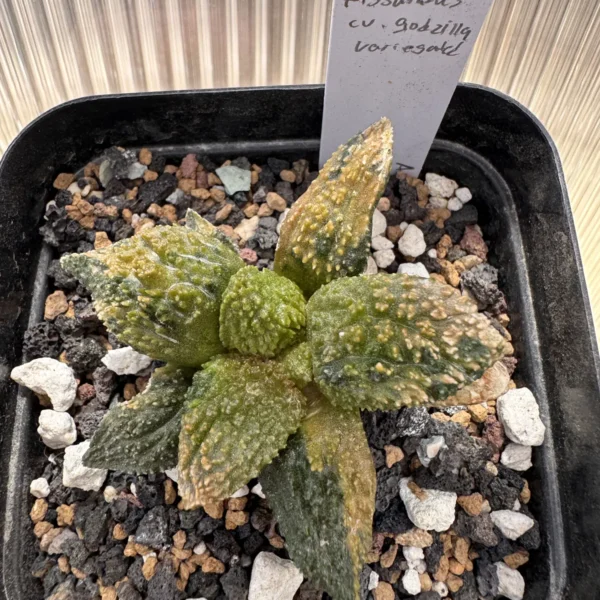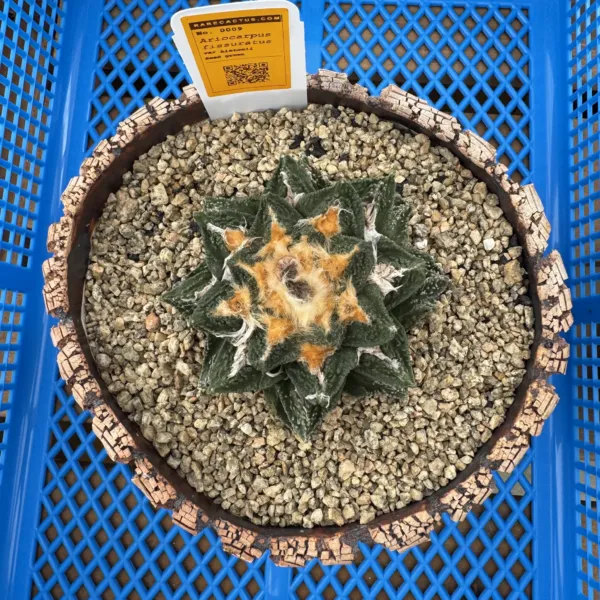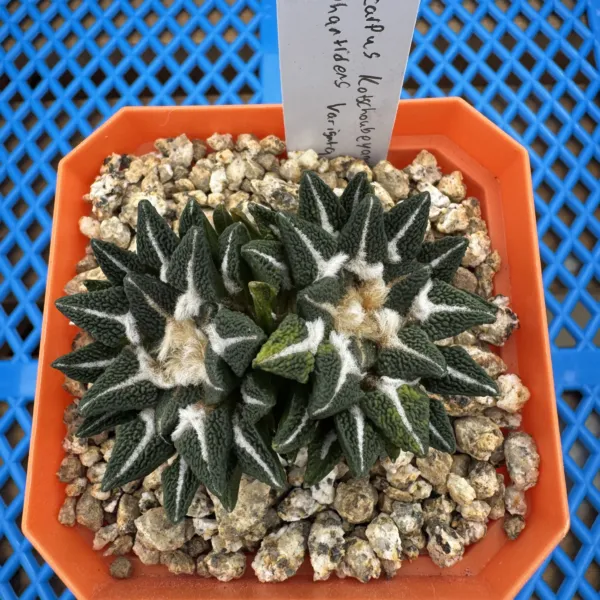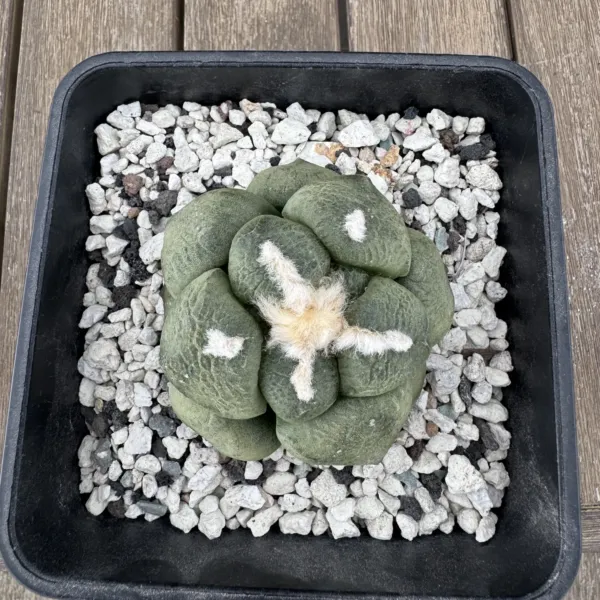
Ariocarpus agavoides
Lot ARIO-AGAV-01 2 available, sold individually
$40.00
- Plant: Ariocarpus agavoides
- Cultivation: seed grown, with a strong root system
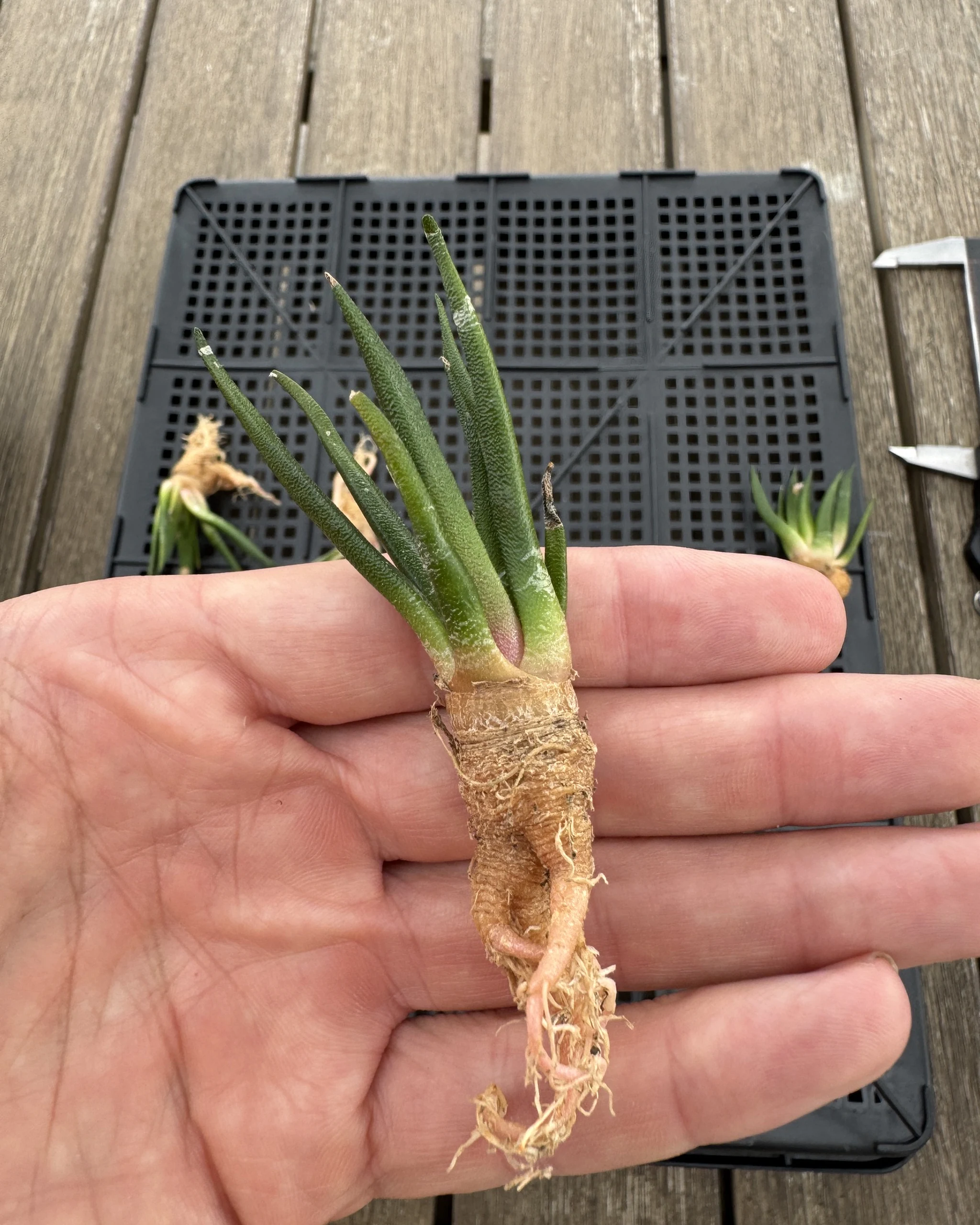
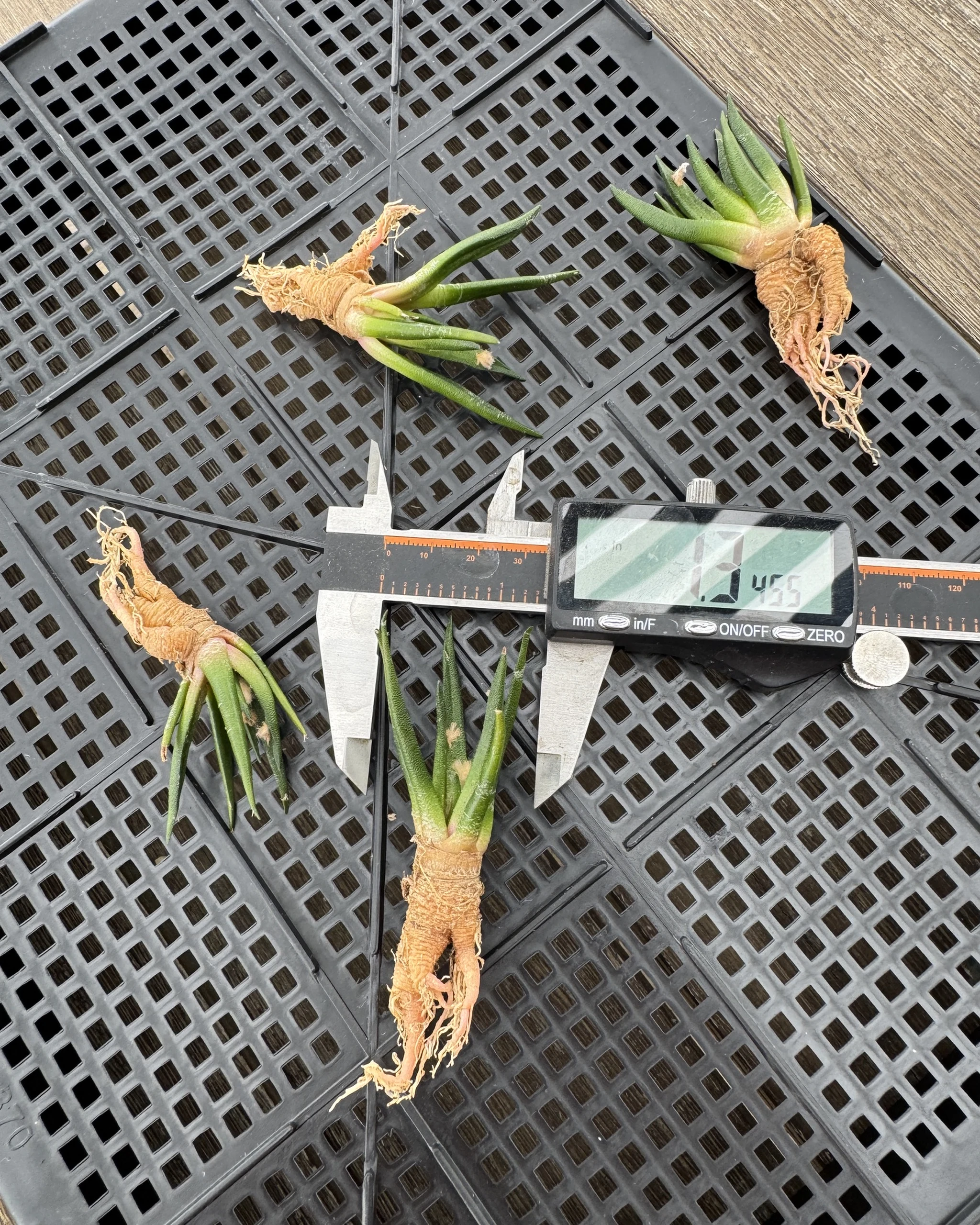
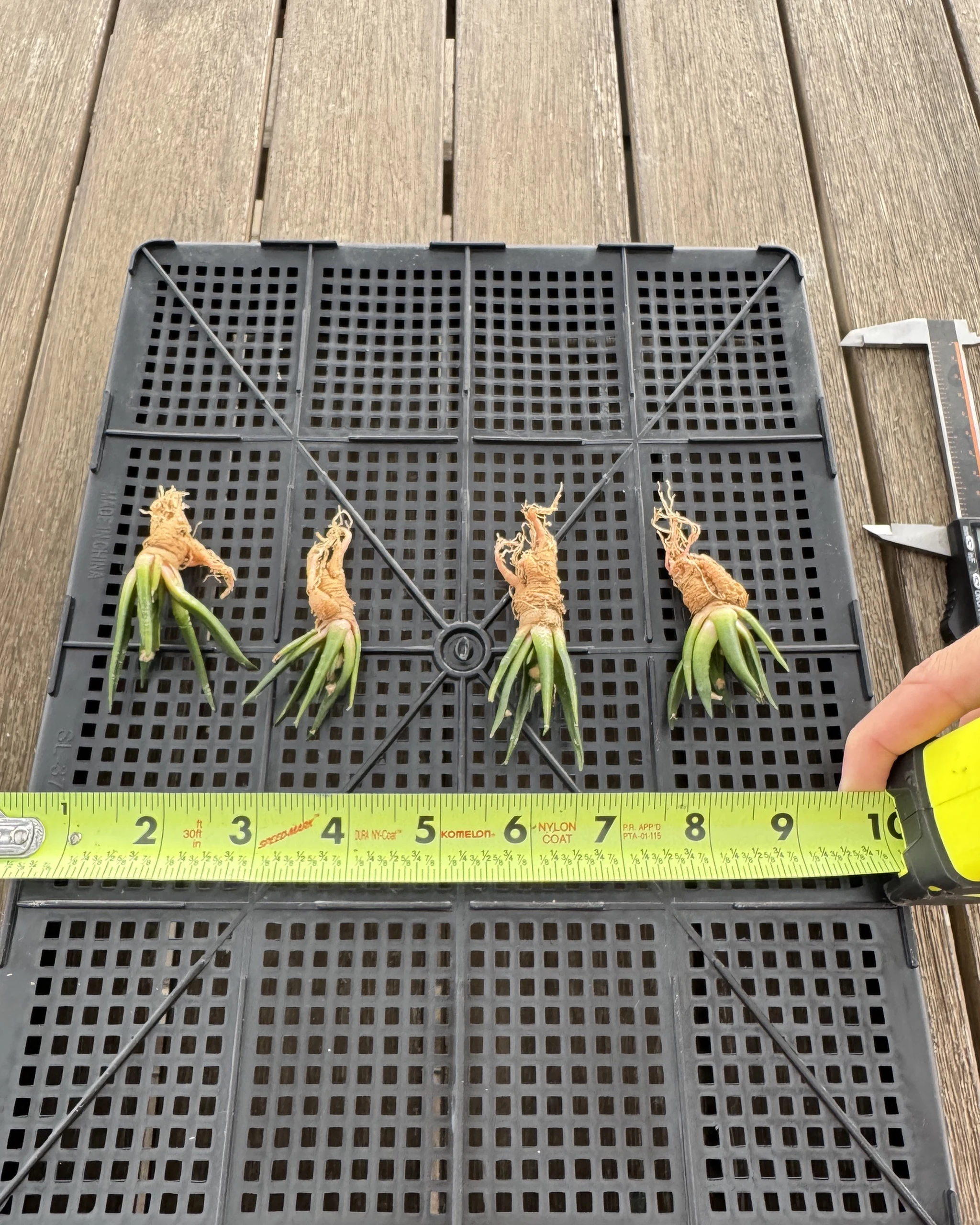
- Size: about 1.5 to 2 in (4 to 5 cm) across, bare-root
- Listing: one plant from the batch pictured, sold individually
- Grown: cultivated in our greenhouse
In stock
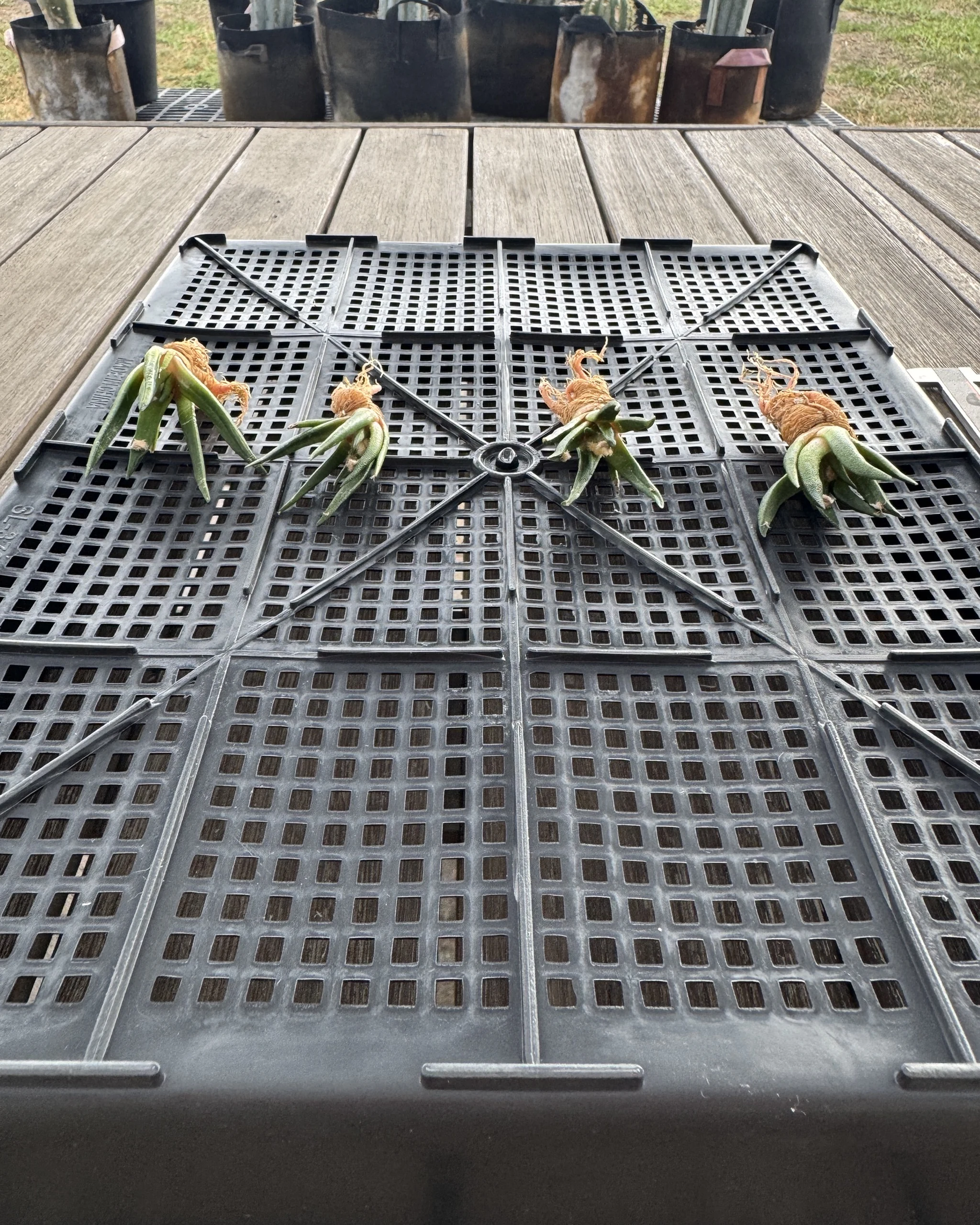
The photos show a representative plant from this batch. Yours matches it in size and character.
- Flat $12 shipping anywhere in the United States, for one plant or several.
- Ships within 1 to 3 business days and usually arrives 2 to 5 business days later.
- All sales are final. If a plant arrives dead, email photos of the plant and packaging within a couple of days. Shipping and returns
- 237 plants sold
- Grown in Orange County, California
- Artificially propagated, never wild-collected
Description
Type: Seed grown · Size: about 1.5 to 2 in (4 to 5 cm) across, bare-root · 2 of 4 available, sold individually
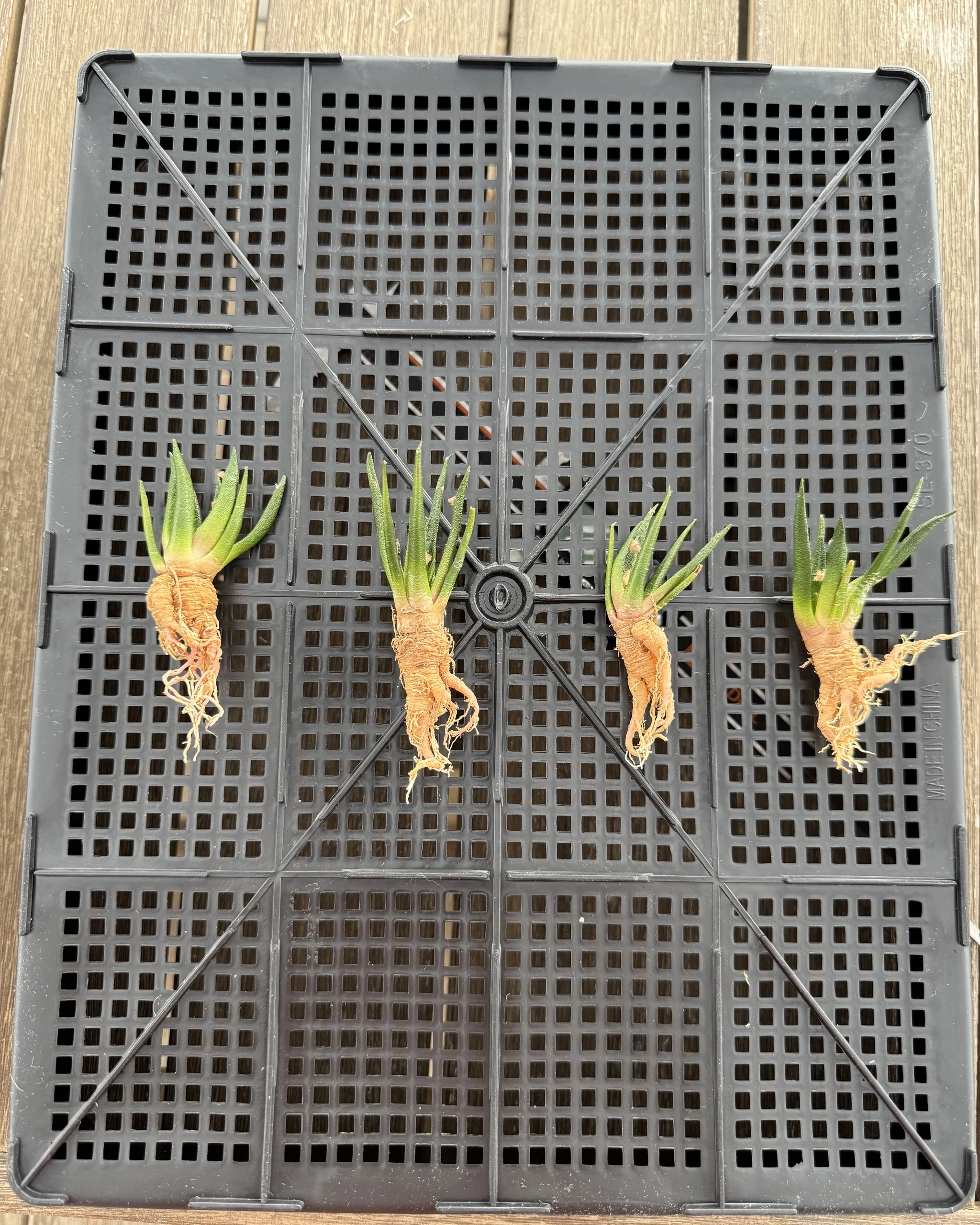
Ariocarpus agavoides is for sale here as young seed grown plants from a single batch of four, each about 1.5 to 2 in across with a thick, ringed taproot already storing water below the rosette. The photographs show representative plants from the batch, and the one you receive will be of comparable size and form. At rarecactus.com we grow our Ariocarpus from seed in our greenhouse, and these ship bare-root, so the root system in the photographs is the kind you will pot up.
What makes Ariocarpus agavoides different
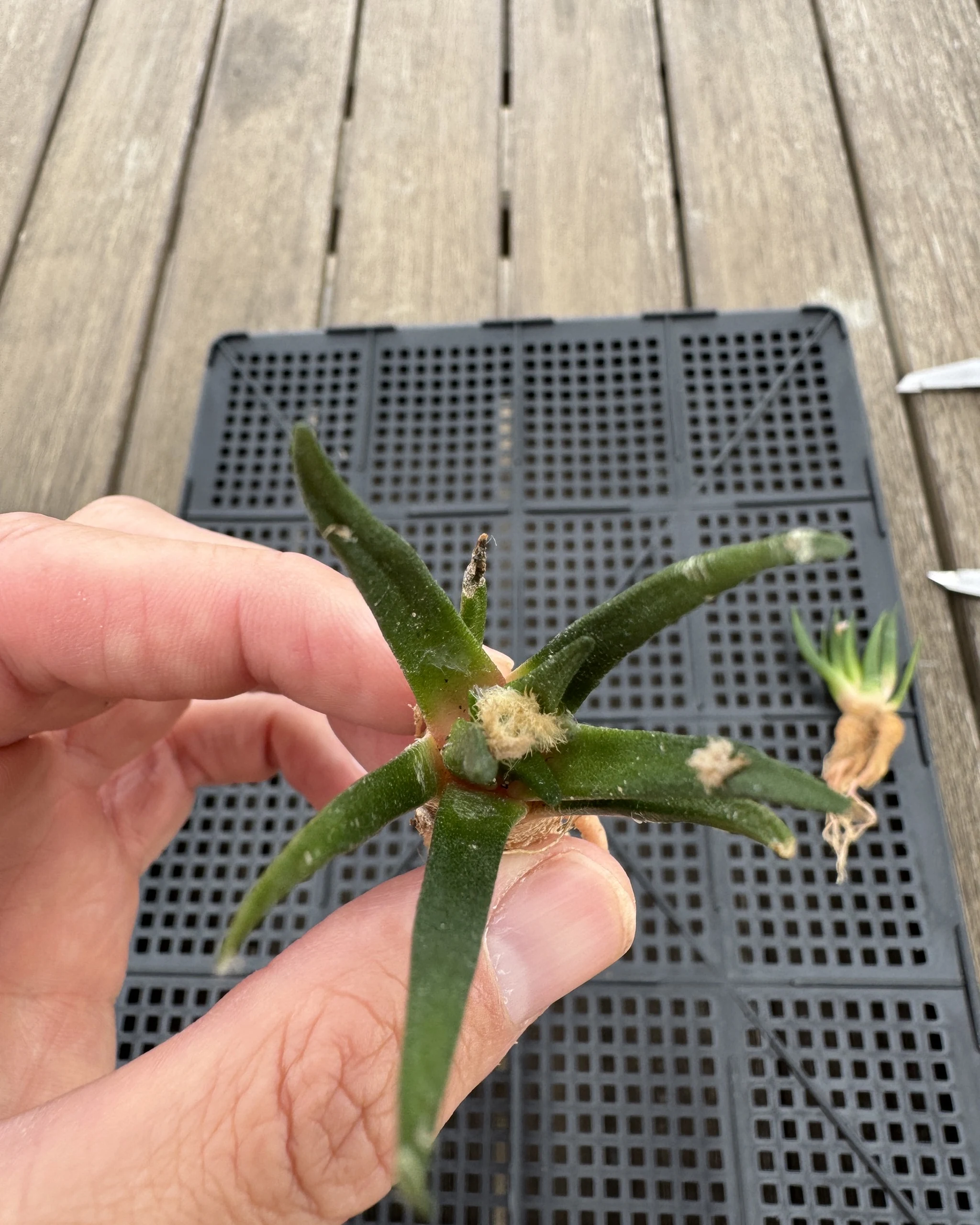
Its long, narrow, pointed tubercles fan out from the centre like the leaves of a miniature agave, which is exactly where the name comes from. Marcelino Castañeda thought it distinct enough to describe in 1941 as the only member of a new genus, Neogomesia. Edward Anderson moved it into Ariocarpus in 1962, and Kew’s Plants of the World Online keeps it there as Ariocarpus agavoides.
It is also the living rock that holds on to its spines. Every other species in the genus drops them as it grows, while many agavoides plants keep small whitish spines at the areoles into adulthood.
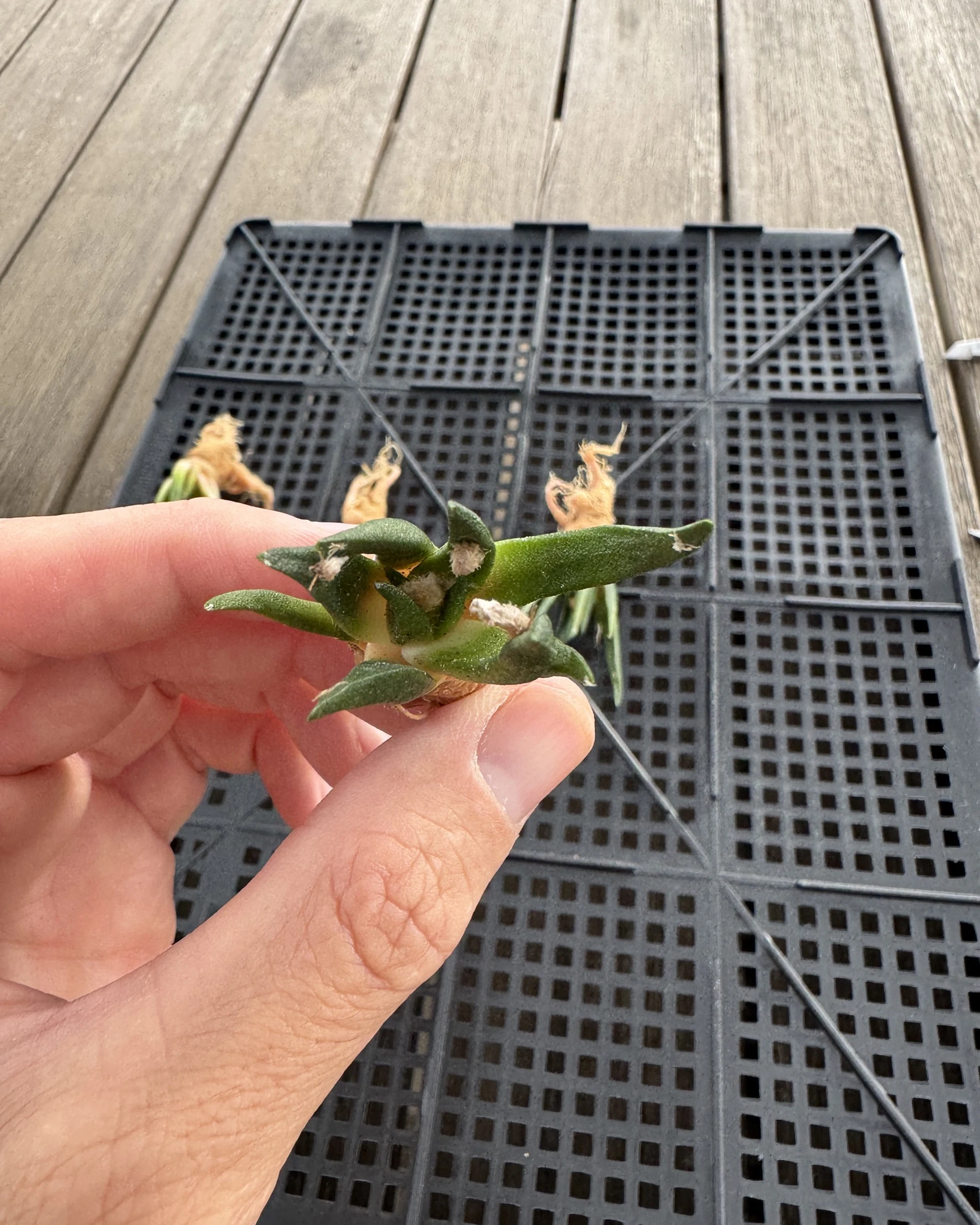
On these young plants the areoles are easy to spot: round tufts of tan wool sitting partway along the upper face of each tubercle rather than at its tip, a detail that identifies the species long before it flowers. In the wild it grows on rocky limestone hills around Tula in southern Tamaulipas, with a second population area to the west in San Luis Potosí, which is why growers also know it as the Tamaulipas living rock. Our Ariocarpus agavoides specimen page covers its taxonomy, both wild ranges and the subsp. sanluisensis plants in full.
The taproot
Each plant is a rosette of narrow tubercles sitting on a swollen, ringed taproot as long as the rosette or longer. That root is where an Ariocarpus keeps its reserves through the dry season, and a firm, plump one like these is the best sign of a plant that will settle in quickly after the move.
How we grow it
We grow our Ariocarpus agavoides in about 95 per cent mineral grit (pumice, lava, granite, zeolite and limestone chip) with 5 per cent worm castings, in full sun with light shade cloth through the hottest summer weeks. The plants get a thorough soak only once the mix has dried out completely from April to October, and they stay bone dry from November to March. Our Ariocarpus care guide sets out the substrate and the watering calendar in detail.
Flowering
The species flowers in autumn, usually October and November, with vivid magenta blooms 3.5 to 5 cm across that open from the woolly centre and dwarf the dark rosette beneath them. It is one of the quicker species in the genus to reach flowering, typically five to eight years from seed, so a young plant grown on well does not keep you waiting as long as most living rocks.
Choosing from the batch
All four plants come from the same seed grown batch and are close in size. A few tubercle tips carry small dry marks, which is cosmetic and normal on young Ariocarpus. Every Ariocarpus we sell is seed grown, with a strong root system, never grafted and never taken from the wild.
When your plant arrives
Your Ariocarpus agavoides ships bare-root and dry, ready to pot straight up. Pot it into a deep, sharply draining mineral mix sized to the taproot, with the rosette sitting above the surface, set it in bright indirect light, and withhold water for about 14 days while it settles in before the first soak. Then move it gradually into full sun over a few weeks. A plant arriving in late autumn or winter can simply stay dry until spring.
Provenance and legality
Seed grown, greenhouse cultivated, never wild collected and never grafted. Ariocarpus sits on CITES Appendix I, the strictest tier of international wildlife trade protection, and artificially propagated stock like these plants is the only lawful and ethical way to own one. Browse the rest of the genus on the Ariocarpus encyclopedia hub.
Questions before you buy
What exactly arrives?
A plant from this batch, matching the one pictured in size and character. The lot line under the title shows how many remain, and the listing states the size.
How does it ship?
From our greenhouse in Orange County, California, within 1 to 3 business days, for a flat $12 anywhere in the United States. It usually arrives 2 to 5 business days later.
Is it legal to own?
Yes. Every plant we sell is artificially propagated, seed grown, with no wild collection at any stage. CITES rules apply to international trade, and we sell within the United States only, so no export permit is involved.
What if it arrives dead?
All sales are final, because each plant is a living one of a kind. If it arrives dead, take clear photos of the plant and the packaging within a couple of days of delivery and tell us. If anything else about the order is not right, say so and we will help where we can.
Growing Ariocarpus
Ariocarpus grow from a swollen taproot, and nearly every care decision protects it: strong light, a fast mineral mix, water only through the warm growing season, and a completely dry winter rest.
- Sun exposure
- Full sun
- Give it full sun or your brightest position. Shade cloth at 30 to 40 per cent through the hottest summer weeks stops bronzing on growth that has not hardened.
- Watering
- April to October only
- Soak, then let the mix dry out completely before watering again, April to October, with growth peaking in late summer. From November to March keep the plant bone dry.
- Soil
- 95% mineral
- About 95 per cent mineral (pumice, lava, granite grit, zeolite, limestone chip) plus 5 per cent worm castings. Hard tap water already supplies calcium; rainwater growers rely on the limestone.
- Cold tolerance
- Dry rest at 5–10°C
- Kept completely dry, plants ride out brief frost to about −5°C, but cold with wet soil rots the taproot. A dry 5 to 10°C winter rest is safest.
- Container
- Deep pot
- Use a deep pot for the fleshy taproot; unglazed terracotta helps in humid climates. Repot in spring, no more than every two to three years.
- Growth rate
- 10+ years to flower
- Very slow. Seedlings need two to three years to reach thumbnail width, and most species take ten years or more to flower from seed.
Shipping & Returns
Shipping
Flat $12 shipping anywhere in the United States, for one plant or several. Orders ship within 1 to 3 business days and usually arrive 2 to 5 business days later. Every plant is packed by hand to travel safely.
Returns
Every plant we sell is alive, so all sales are final and we do not accept returns or exchanges. If a plant arrives dead, take clear photos of the plant and the packaging within a couple of days of delivery and email support@rarecactus.com. If anything else about your order is not right, tell us and we will help where we can.