Ariocarpus fissuratus subsp. lloydii
Lot ARIO-FISS-LLOY-01 sold
$260.00
- Plant: Ariocarpus fissuratus subsp. lloydii
- Cultivation: seed grown, with a strong root system
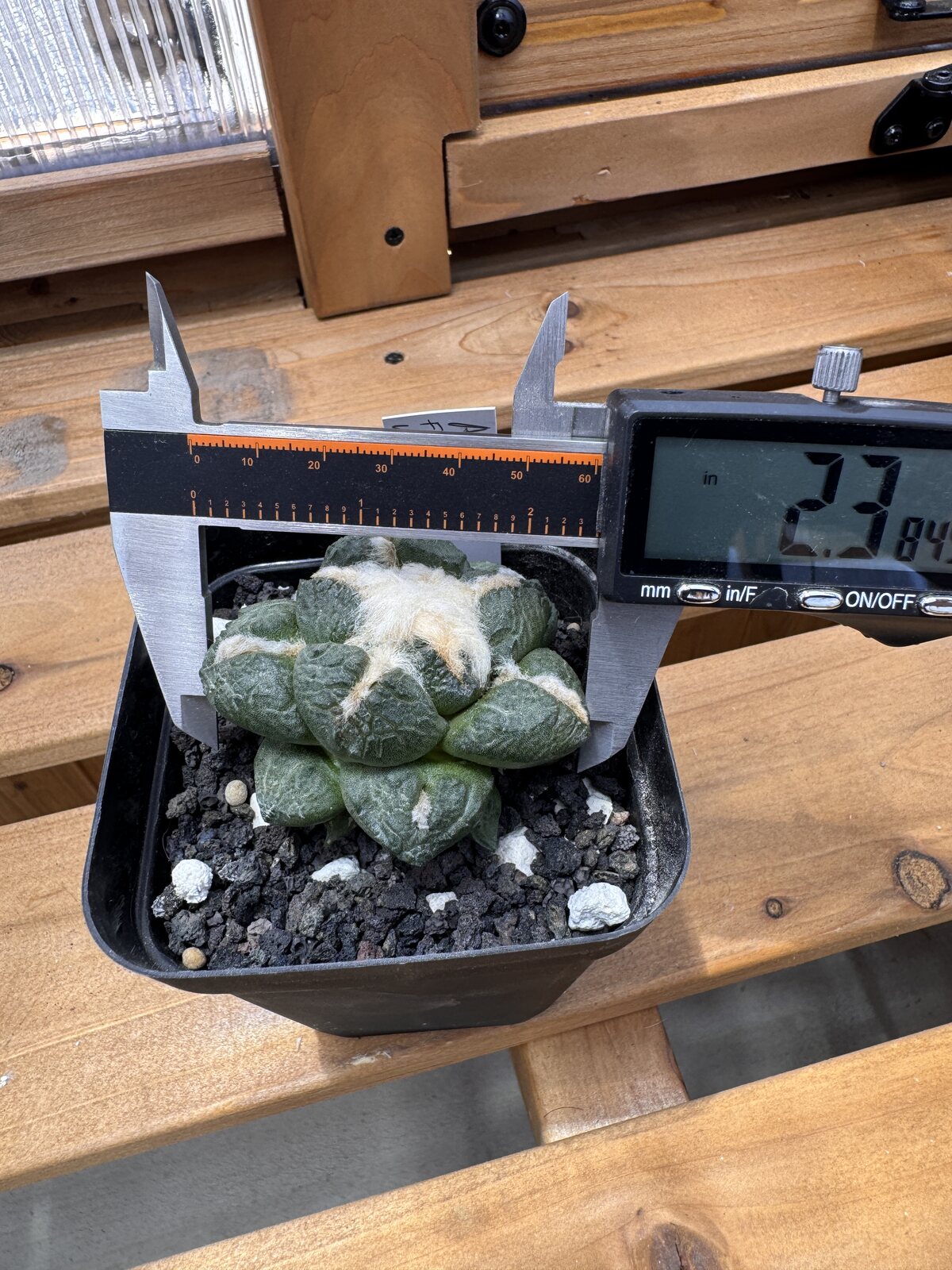
- Size: 2.3 in (5.8 cm) across
- Listing: one-of-a-kind, the exact plant in the photographs
- Grown: cultivated in our greenhouse
Sold out
This plant has sold
The page stays up as a record of the specimen in the photographs.
For sale now: Ariocarpus fissuratus subsp. lloydii
About Ariocarpus fissuratus subsp. lloydiiAriocarpus for sale
Description
Type: Seed grown · Size: 2.3 in (5.8 cm) across · One-of-a-kind specimen
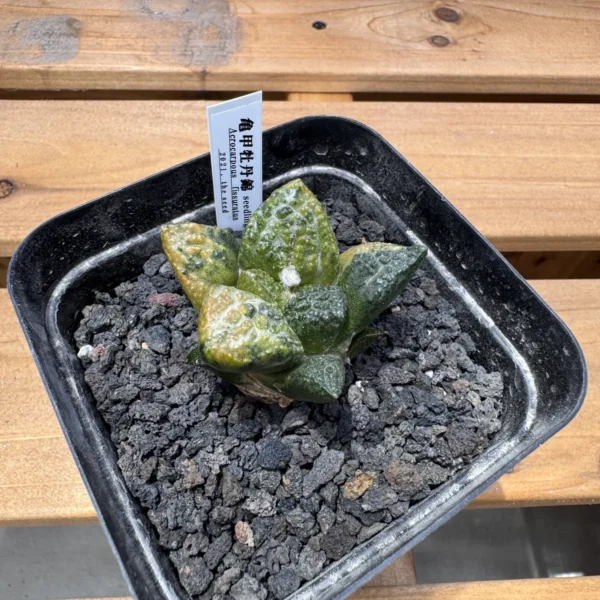
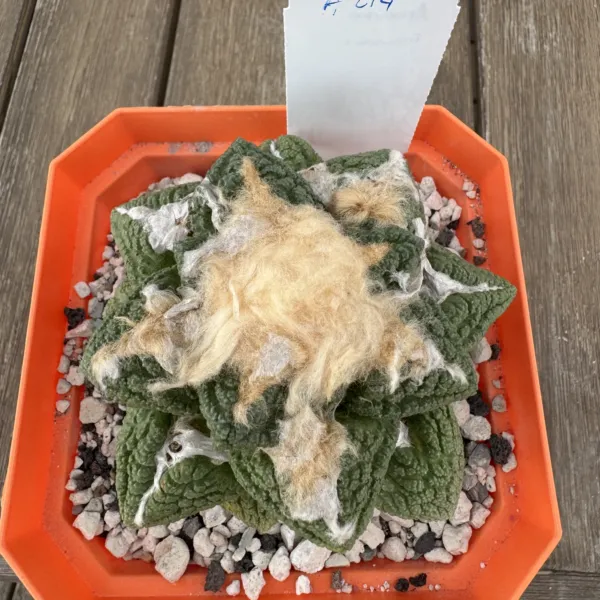
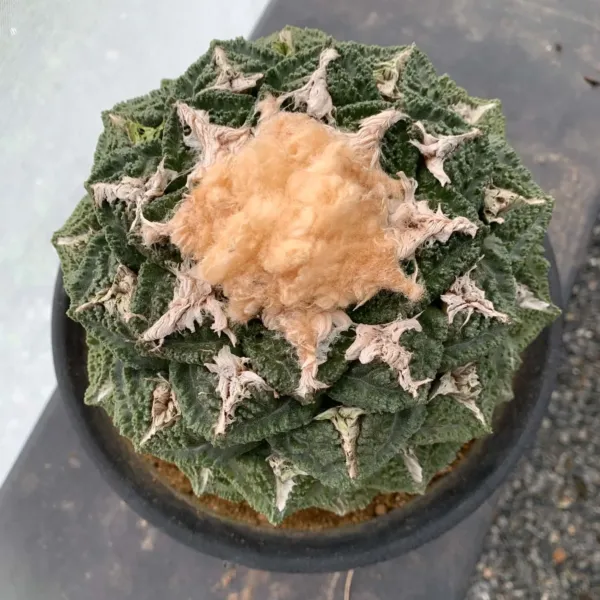
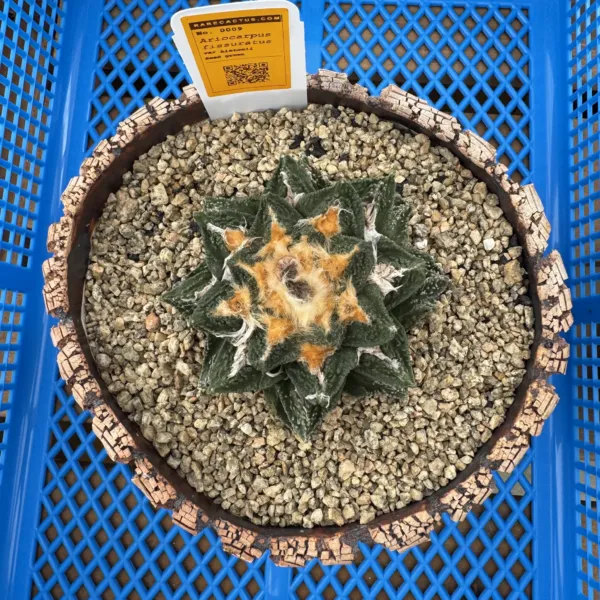
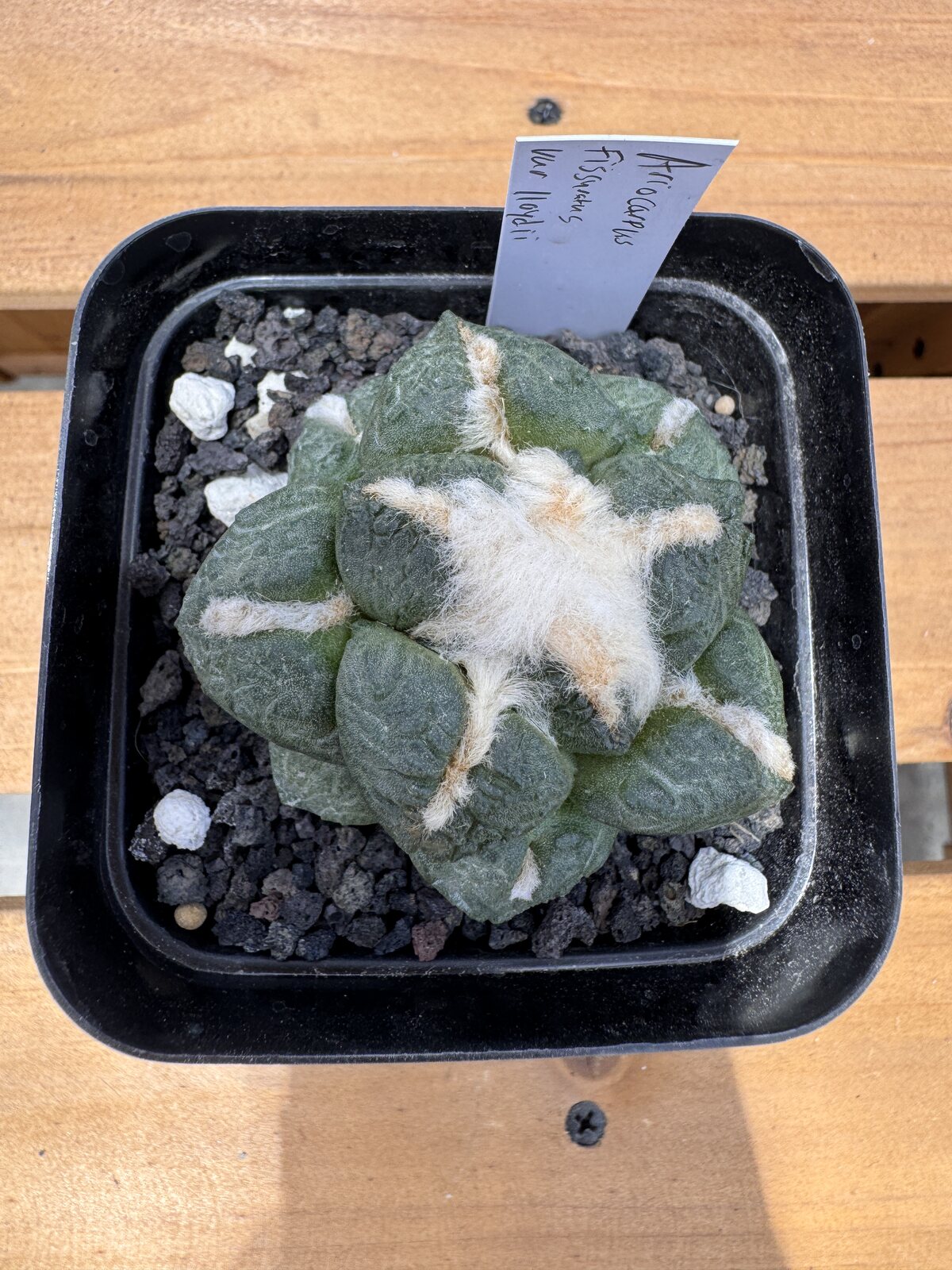
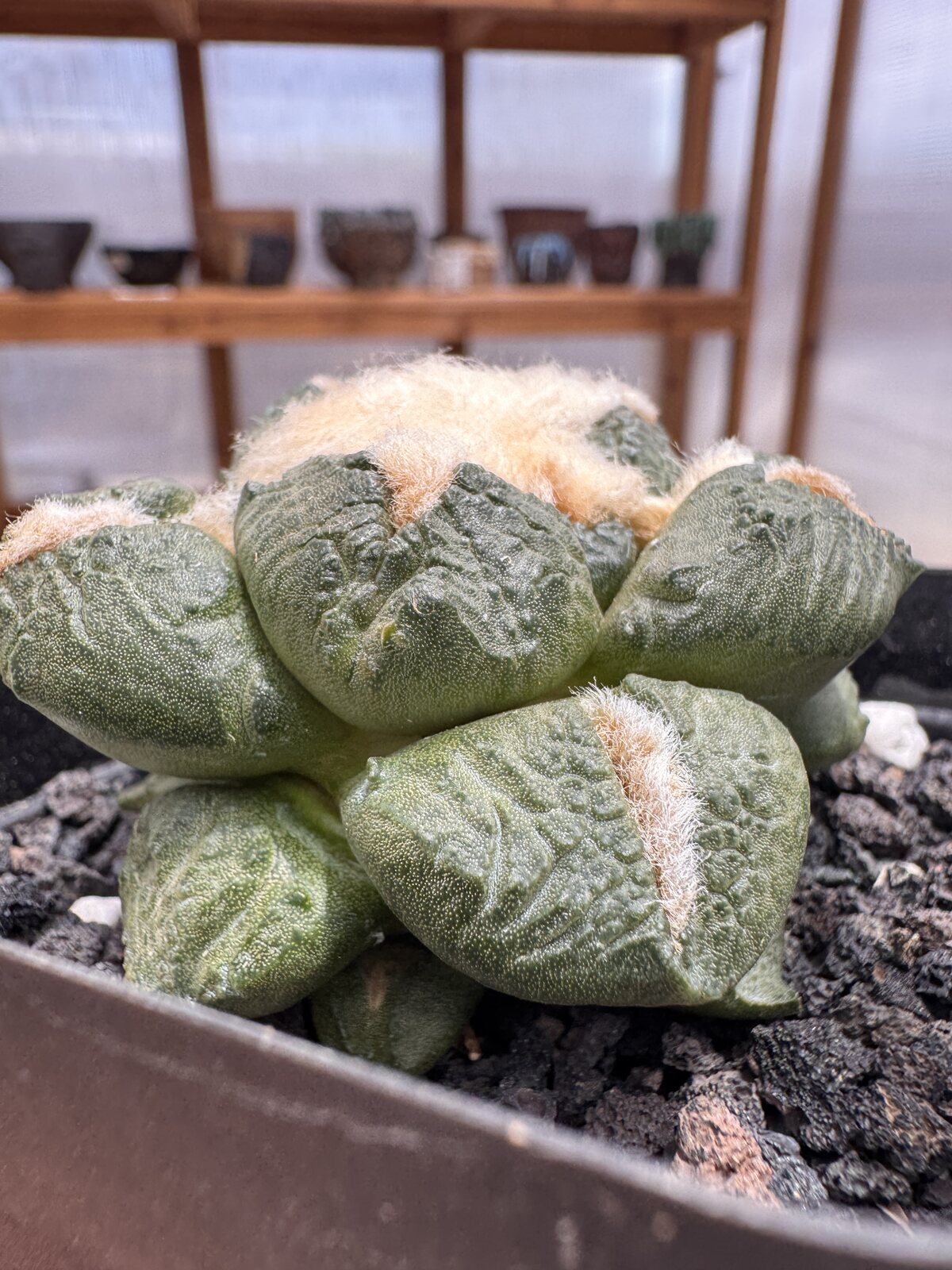
Ariocarpus fissuratus lloydii is the southern living rock of the Chihuahuan Desert, and this listing is for the exact 2.3 in plant in the photographs. At rarecactus.com we grow our Ariocarpus from seed in the sharply draining mineral mix the genus demands, and this one has come through with deeply furrowed tubercles and a dense, snow-white crown of wool.
What makes Ariocarpus fissuratus lloydii different
Ariocarpus fissuratus lloydii is the southern counterpart to the classic Texan living rock, the form first described from the limestone country of Coahuila and Zacatecas and now treated as the southern expression of the species. The grey-green body is built from thick, overlapping triangular tubercles, and on this plant their faces are scored with the deep, brain-like furrows that give the fissuratus complex its name, crowding the whole crown into convoluted relief. A thick felt of cream wool fills the growing centre, so that in a well-grown plant the apex looks almost dusted with snow. For the accepted botany behind the name, see the Kew record for Ariocarpus fissuratus, and our own deep dive on the Ariocarpus fissuratus subsp. lloydii specimen page.
Like every living rock, the plant grows from a stout napiform taproot far larger than the body above it, and in habitat it pulls flat against the limestone so that through the dry season it all but vanishes into the rock. That taproot is why these plants want a deep pot and why fast drainage matters more than anything else in cultivation.
How we grow it
We grow this Ariocarpus fissuratus lloydii in a deep pot of sharply draining mineral mix weighted toward crushed limestone and pumice with almost no organic content. It takes full sun, a thorough soak only once the substrate has gone bone dry through the summer growing season, and a completely dry winter rest. Slow is the point: a plant of this size is the work of years, and pushing it with water or feed swells the body, loosens the habit and throws away the tight, sunken character collectors want. Our full Ariocarpus care guide covers the substrate, the watering calendar and the winter dormancy in detail.
Flowering and growth
A settled plant flowers in autumn, opening broad funnel-shaped blooms of soft pink to deep magenta straight from the woolly crown over a few warm days in October and November. Growth is counted in millimetres a year rather than centimetres, so a plant at this size already carries real age behind it. Fresh tubercles emerge from the centre and slowly shoulder the older furrowed ones outward, which is what deepens the crowded, sculpted look as the plant matures. Restraint with the watering can is what keeps the body flat and the furrows tight.
When your plant arrives
Your specimen ships seed grown and already well rooted, packed dry for transit. On arrival, pot it into a deep, sharply draining mineral mix sized to the taproot, settle it under bright indirect sun, and withhold water for a full 14 days while it settles in before the first cautious soak. After that, water only on the soak-and-fully-dry cycle through the growing season and keep it bone dry and above freezing in winter. Wet combined with cold is the one thing these plants will not forgive, so when in doubt, keep it dry.
Choosing this plant
The living rocks worth keeping show dense, well-defined furrowing, a flat ground-hugging profile and a clean, snowy crown, all of which this specimen carries in the photographs. Because you are buying the exact pictured plant, there is no guesswork about how heavily it furrows. Every Ariocarpus in our greenhouse is seed grown, with a strong root system, never grafted to force size and never lifted from the wild, so it keeps the natural, slow proportions that grafted stock loses.
Provenance and legality
Every Ariocarpus we sell, this lloydii included, is seed grown and greenhouse cultivated with no wild collection at any stage. The genus sits on CITES Appendix I, the strictest tier of international wildlife trade protection, and lawful trade runs entirely on artificially propagated stock like this. Browse the rest of the genus on the Ariocarpus encyclopedia hub.
Growing Ariocarpus
Ariocarpus grow from a swollen taproot, and nearly every care decision protects it: strong light, a fast mineral mix, water only through the warm growing season, and a completely dry winter rest.
- Sun exposure
- Full sun
- Give it full sun or your brightest position. Shade cloth at 30 to 40 per cent through the hottest summer weeks stops bronzing on growth that has not hardened.
- Watering
- April to October only
- Soak, then let the mix dry out completely before watering again, April to October, with growth peaking in late summer. From November to March keep the plant bone dry.
- Soil
- 95% mineral
- About 95 per cent mineral (pumice, lava, granite grit, zeolite, limestone chip) plus 5 per cent worm castings. Hard tap water already supplies calcium; rainwater growers rely on the limestone.
- Cold tolerance
- Dry rest at 5–10°C
- Kept completely dry, plants ride out brief frost to about −5°C, but cold with wet soil rots the taproot. A dry 5 to 10°C winter rest is safest.
- Container
- Deep pot
- Use a deep pot for the fleshy taproot; unglazed terracotta helps in humid climates. Repot in spring, no more than every two to three years.
- Growth rate
- 10+ years to flower
- Very slow. Seedlings need two to three years to reach thumbnail width, and most species take ten years or more to flower from seed.
Shipping & Returns
Shipping
Flat $12 shipping anywhere in the United States, for one plant or several. Orders ship within 1 to 3 business days and usually arrive 2 to 5 business days later. Every plant is packed by hand to travel safely.
Returns
Every plant we sell is alive, so all sales are final and we do not accept returns or exchanges. If a plant arrives dead, take clear photos of the plant and the packaging within a couple of days of delivery and email support@rarecactus.com. If anything else about your order is not right, tell us and we will help where we can.