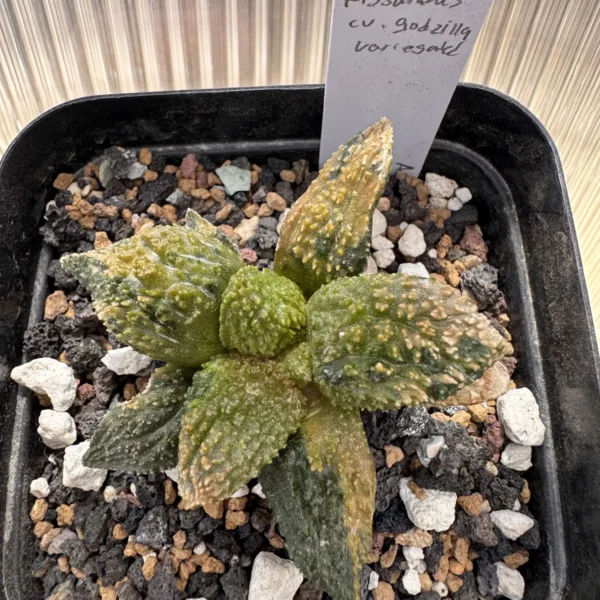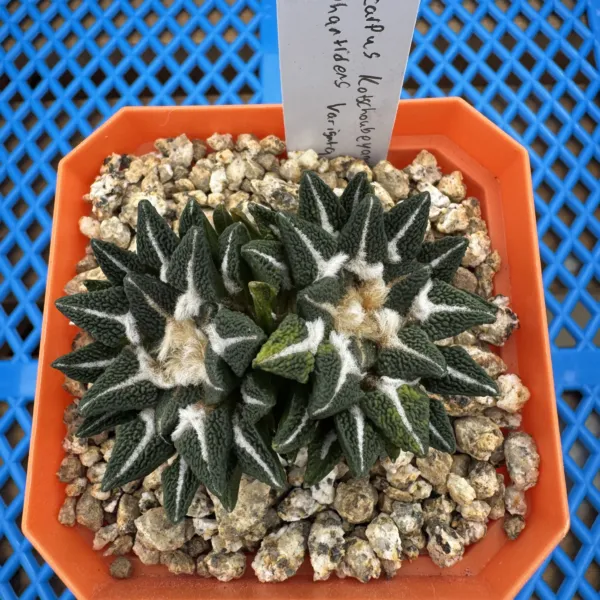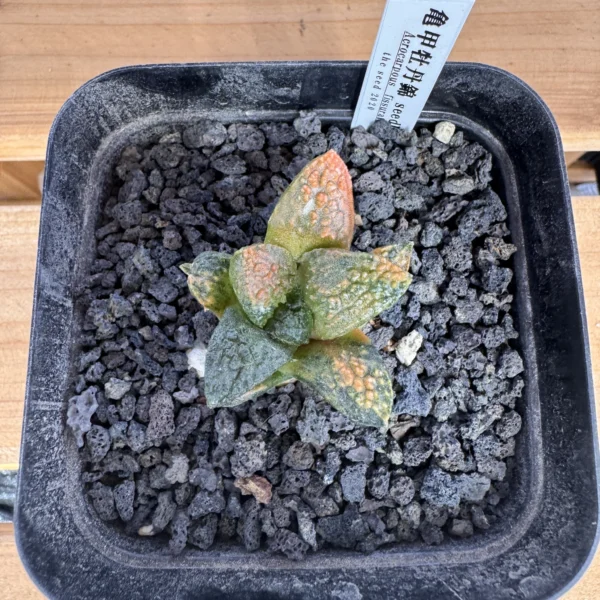
Ariocarpus kotschoubeyanus var. macdowellii
Lot ARIO-KOT-MAC-01 sold
$235.00
- Plant: Ariocarpus kotschoubeyanus var. macdowellii
- Cultivation: seed grown, with a strong root system
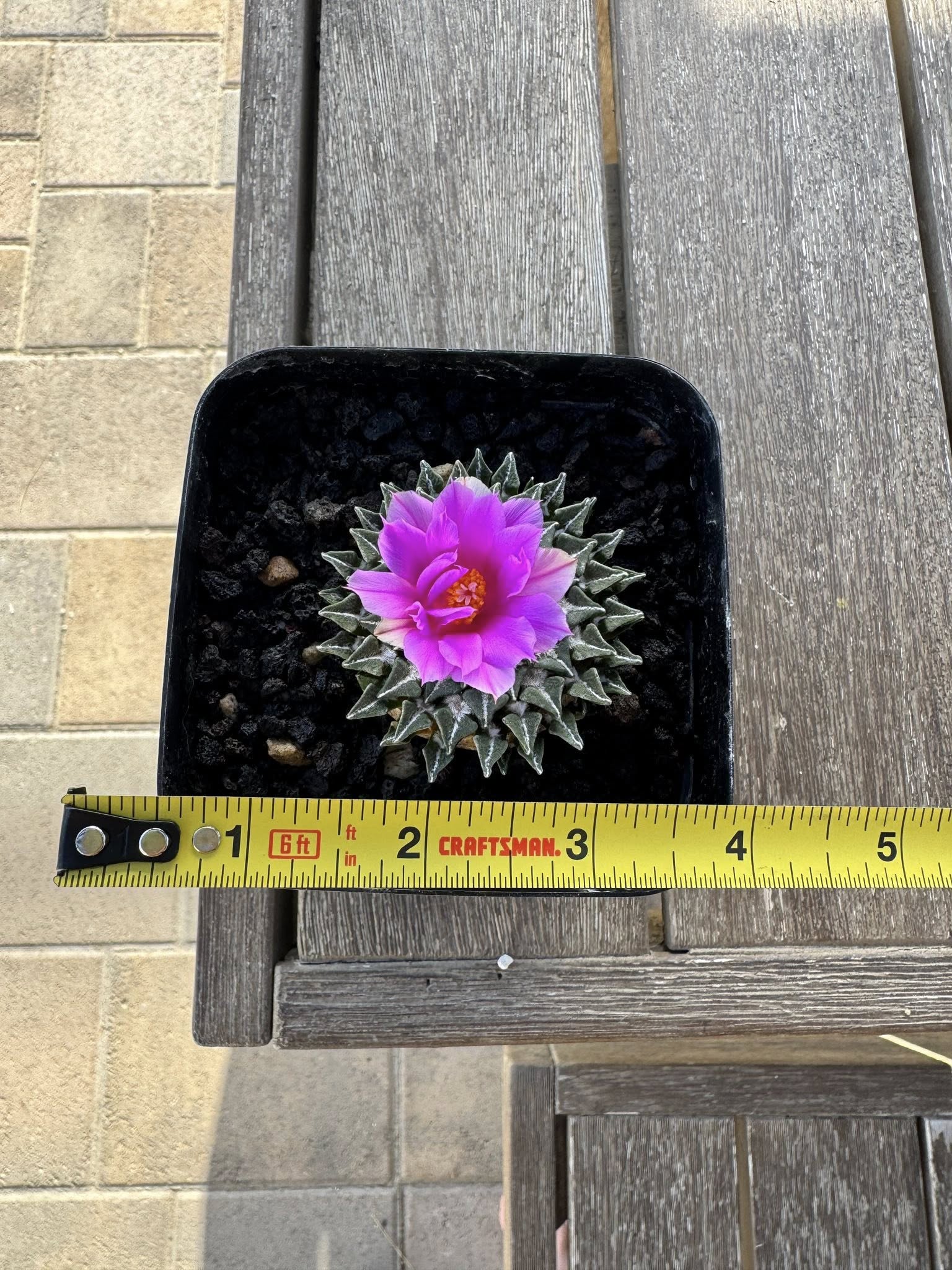
- Size: about 5 cm
- Listing: one-of-a-kind, the exact plant in the photographs
- Grown: cultivated in our greenhouse
Sold out
This specimen is one of a kind. The photos show the exact plant you'll receive.
Description
Type: Seed grown · Size: about 5 cm
Ariocarpus kotschoubeyanus is the smallest and flattest of the living rock cacti, and the variety macdowellii is its compact, fine-tubercled form. The specimen pictured is the exact seed grown plant you will receive, cultivated in our own greenhouse.
About Ariocarpus kotschoubeyanus var. macdowellii
Ariocarpus kotschoubeyanus presses itself flat to the ground as a low rosette of small triangular tubercles, each with a felted groove running down its centre, so the whole plant looks like a pale green star set into the soil. The variety macdowellii is the daintier, more densely tubercled expression, prized for staying neat and miniature. In autumn a relatively large magenta flower opens straight from the woolly heart of the plant, startling on something so small. The accepted botany is recorded at Kew for Ariocarpus kotschoubeyanus, and we cover it in depth on the Ariocarpus kotschoubeyanus specimen page.
In habitat the species grows on flat limestone and clay pans that flood briefly and then bake, and it survives by retracting into a thick taproot and vanishing below the surface. That biology drives everything about how it is grown in cultivation.
How we grow it
This Ariocarpus kotschoubeyanus is grown in a deep, narrow pot of gritty mineral mix with crushed limestone, kept in full sun, watered sparingly only during warm active growth, and held bone dry in winter. The species is intolerant of a wet, airless root run, so drainage and restraint matter more than feeding. Our Ariocarpus care guide details the substrate and the watering calendar.
Flowering and growth
For so small a plant, Ariocarpus kotschoubeyanus var. macdowellii produces a surprisingly large magenta flower in autumn, opening from the wool at the very centre and all but covering the body. Growth is extremely slow and the plant stays miniature for life, which is much of its charm on a collector’s bench. It asks for patience rather than feeding, and rewards it with tight, even tubercles and a clean, star-like outline. Repotting is rarely needed and best done in warm weather, easing the taproot into fresh dry mix and waiting a week before the first water.
Receiving and settling your plant
This specimen ships bare-root and dry. Pot it into a deep, narrow container of sharp, limestone-bearing mineral mix, keep it dry and out of fierce sun for about two weeks after potting while it settles in, then water sparingly on a soak-and-fully-dry cycle. The species resents a constantly wet, airless root run more than almost anything, so err toward dryness while it establishes.
Why seed grown matters
This Ariocarpus kotschoubeyanus is seed grown in our greenhouse, with a strong root system. Seed grown plants hold the natural, slow proportions of the species, where grafted stock balloons and loses character, and they are the only lawful route to owning a CITES Appendix I cactus. It is the harder, slower way to grow these plants, and it is the only one we use.
Choosing this plant
A good Ariocarpus kotschoubeyanus shows a flat, even rosette of densely packed tubercles with clean central wool and no scarring, which is what this specimen offers in the photographs. Because the plant you see is the plant that ships, you can judge its quality directly rather than trusting a generic catalogue image.
Provenance and legality
Seed grown and greenhouse cultivated, with no wild collection. The whole genus is CITES Appendix I, so nursery-propagated plants like this are the only legal route to growing one. Explore the rest of the genus on the Ariocarpus encyclopedia hub.
A single, one-of-a-kind specimen: the plant pictured is the plant that ships, packed dry and rooted.
Shipping & Returns
Shipping
Flat $12 shipping anywhere in the United States, for one plant or several. Orders ship within 1 to 3 business days and usually arrive 2 to 5 business days later. Every plant is packed by hand to travel safely.
Returns
Each specimen is a living, one of a kind plant, so all sales are final and we do not accept returns or exchanges. If a plant arrives dead, take clear photos of the plant and the packaging within a couple of days of delivery and email brian@rarecactus.com. If anything else about your order is not right, tell us and we will help where we can.