
How to Start a Rare Cactus Collection: A Beginner-to-Collector Roadmap
All ArticlesTo start a rare cactus collection, begin with the forgiving genera, Mammillaria and Gymnocalycium, and work toward the slow rarities over time. The smart path is ordered by difficulty, runs on seed grown plants rather than wild-collected ones, and ends with a genus like Aztekium that rewards years of patience. Here is the roadmap.
What rare cactus should a beginner start with?
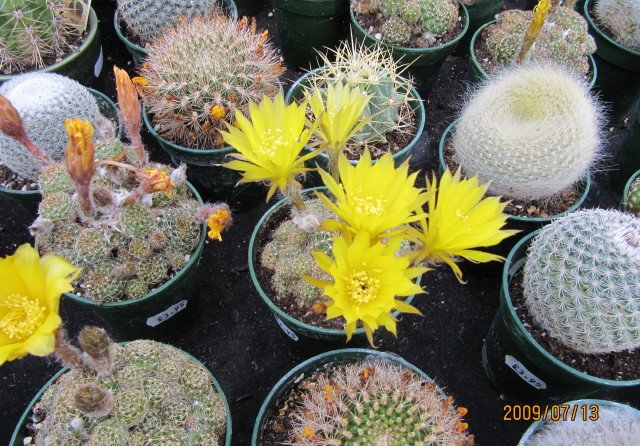
Start with a genus that forgives mistakes. The most beginner-friendly cacti are Mammillaria, the pincushion cacti, and Gymnocalycium, the chin cacti. Both tolerate watering errors better than most cacti, flower young and reliably, and are widely available as seed grown plants. Gymnocalycium has the rare advantage of taking more shade than a desert cactus, which forgives an imperfect windowsill, while Mammillaria rewards a sunny spot with a ring of flowers in spring.
Rebutia belongs in this first tier too, flowering at one or two years old and shrugging off cold, though it is a genus to seek out rather than one the site profiles in depth. The point of starting here is momentum: a plant that grows fast enough to be rewarding and forgives the overwatering every new grower does at least once builds the confidence and the habits the harder species will demand later. The genus-level care is in our Mammillaria care and Gymnocalycium care guides.
The beginner-to-collector progression
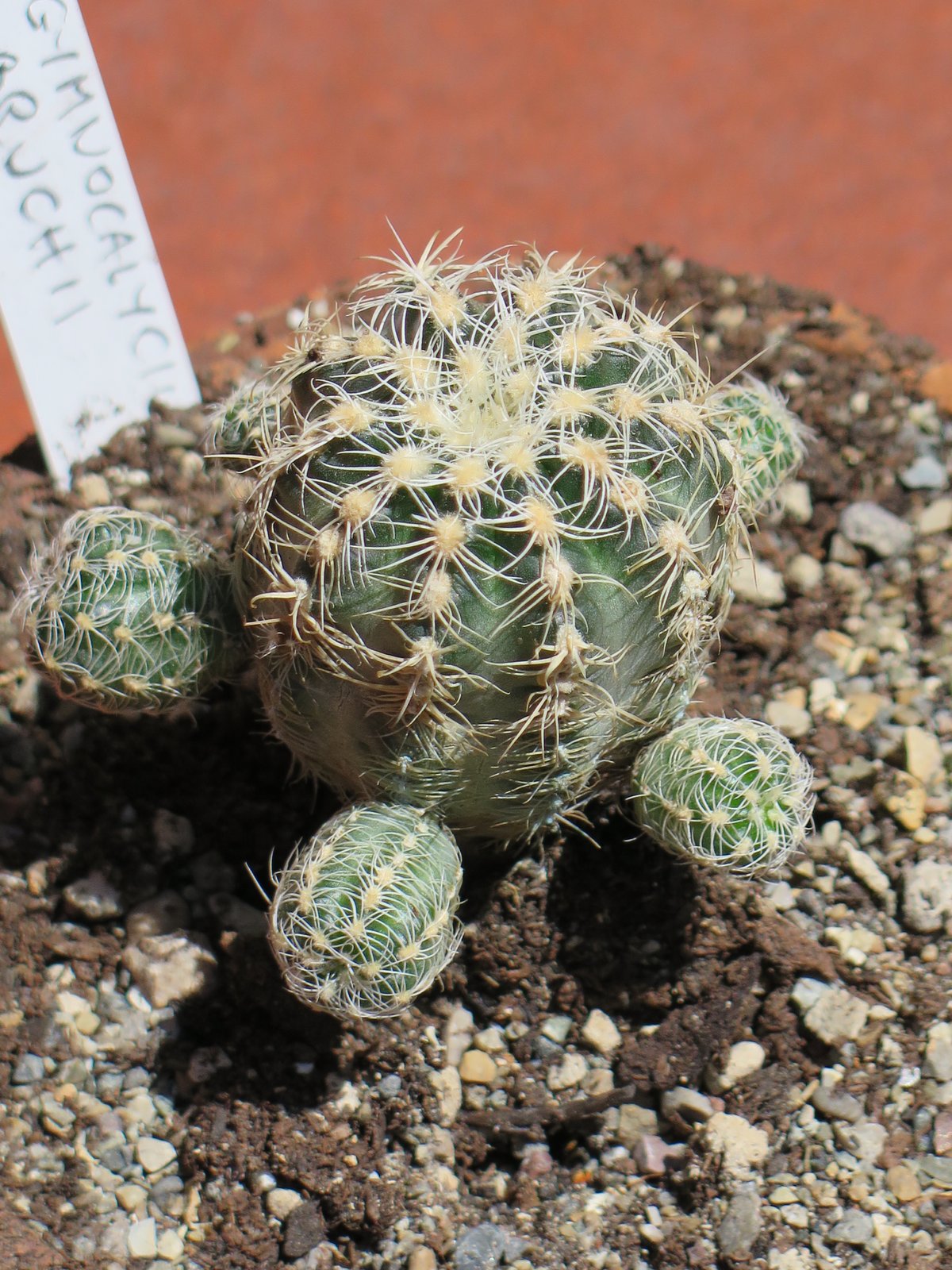
Think of a collection as a sequence, each step a little less forgiving than the last. After the clustering Mammillaria and Gymnocalycium, the natural next move is Echinocereus, a reliable bloomer and among the most cold-hardy genera, alongside the free-flowering Rebutia. These reward the same care the first tier taught, with a little more reach for light.
The step up in difficulty is Astrophytum. The bishop’s cap, A. myriostigma, is the forgiving entry to the genus; the flat A. asterias is the harder, rot-prone, slower step and is protected under CITES Appendix I. Beyond it lie the slow geophytes, Ariocarpus and Turbinicarpus, which want summer heat, sharp drainage, and years of patience before they reach specimen size. The journey closes with a genus like Aztekium, among the slowest cacti in cultivation and a plant that measures progress in fractions of a centimetre a year. Several of these, the entire Ariocarpus and Turbinicarpus genera, Astrophytum asterias, and Aztekium ritteri, sit on CITES Appendix I, so a beginner’s early buys should stay in the forgiving, unrestricted genera.
Why does buying seed grown matter so much?
Because the alternative is fuelling the destruction of the plants you love. Cacti are among the most threatened groups of organisms on Earth, with roughly a third of species at risk, and illegal collection for the horticultural trade is the single biggest driver, pressuring nearly half of the threatened species. A wild-dug plant on a windowsill is one fewer plant in a habitat that took decades to grow it.
A seed grown plant, raised from seed in a nursery rather than torn from the ground, is both the ethical choice and usually the better plant, since it grows into its natural habit instead of carrying the scars of collection. When buying, favour documented, nursery-propagated stock and steer clear of anything labelled field collected, wild, or habitat. For the CITES Appendix I species, legitimate sellers can show artificial-propagation paperwork. The deeper case for seed grown over grafted or wild material runs through our grafted versus seed grown guide, and every plant in the rarecactus.com shop is seed grown with documented provenance for exactly this reason.
What setup does a new collector need?
Less than most beginners think, and different from what the garden centre sells. The foundation is substrate: cacti want a fast-draining, low-organic mineral mix, not the peat-based bagged soil sold as cactus compost, which holds water and rots roots. A blend that is mostly mineral grit with a little organic matter is the single most important thing you can get right, and it is covered in full in our cactus soil mix guide.
The other three pieces are light, water, and a winter rest. Give the plants the brightest position you have, water by soaking the mix and then letting it dry out completely before the next watering, and rest them cool and dry through winter, which is what sets the next year’s flowers. Use pots with drainage holes, and resist the urge to over-pot. That is the whole system, and it scales from a first Gymnocalycium to a shelf of rarities.
What mistakes kill beginner cacti?
Five mistakes account for most early losses. Overwatering is the first and the deadliest, drowning roots and inviting the rot that our root rot guide exists to treat; the cure is a mineral mix and soak-and-dry discipline. Too little light is the second, producing the weak, stretched growth of etiolation. The third is skipping the cool, dry winter rest, which leaves a healthy plant that simply never flowers.
The last two are about what you buy. Choosing a wild-collected plant funds poaching and often gets you a sulking, damaged specimen; choose seed grown. And reaching for the hardest species first, the Ariocarpus or the Aztekium, before the forgiving genera have taught you the rhythm, is how expensive rarities die young. Build the skills on the plants that forgive, then earn the ones that do not. Anything that does start to fail is worth running through the diagnostic guide early, while it can still be saved.
Frequently asked questions about starting a cactus collection
What rare cactus should a beginner start with?
Start with the forgiving genera: Mammillaria, the pincushion cacti, and Gymnocalycium, the chin cacti, with Rebutia a strong third. They tolerate watering mistakes, flower young, and are widely available seed grown. Gymnocalycium even takes more shade than most cacti, which forgives an imperfect windowsill while you learn.
What’s the easiest rare cactus to grow?
Gymnocalycium is repeatedly rated among the easiest, partly because it tolerates lower light than a desert cactus. Mammillaria is close behind, forgiving watering errors better than most cacti. Both flower readily and are easy to find seed grown, which makes either a sound first rare cactus.
Is Astrophytum asterias good for a beginner?
Not as a first plant. Astrophytum asterias, the flat star cactus, is slow-growing, rot-prone, and protected under CITES Appendix I. Start with the bishop’s cap, Astrophytum myriostigma, which is far more forgiving, and come to asterias once you have grown the easier genera successfully.
Should I buy wild-collected rare cacti?
No. Illegal collection for the horticultural trade is the biggest threat to cacti, pressuring nearly half of all threatened species. Buy seed grown, nursery-propagated plants and avoid anything labelled field collected, wild, or habitat. For CITES Appendix I species, a legitimate seller can show artificial-propagation paperwork.
How long until a rare cactus flowers?
It depends on the genus. The forgiving starters flower young: Rebutia and many Mammillaria within a year or two, Gymnocalycium within a few years. The slow rarities make you wait, with Astrophytum taking several years and Ariocarpus and Aztekium many more. A cool, dry winter rest is what triggers the bloom once a plant is mature.
Goettsch et al., “High proportion of cactus species threatened with extinction,” Nature Plants (2015) · IUCN, “Illegal trade contributes to placing cacti among the world’s most threatened species” · Royal Botanic Gardens Kew, CITES and Cacti · CITES Appendices I and II (current) · Henry Shaw Cactus and Succulent Society, plants of the month · Anderson, E.F., The Cactus Family (Timber Press) · llifle, Encyclopedia of Living Forms
Photos: mixed cacti by Leonora Enking (CC BY-SA 2.0) and Gymnocalycium bruchii by Petar43 (CC BY-SA 4.0), via Wikimedia Commons.